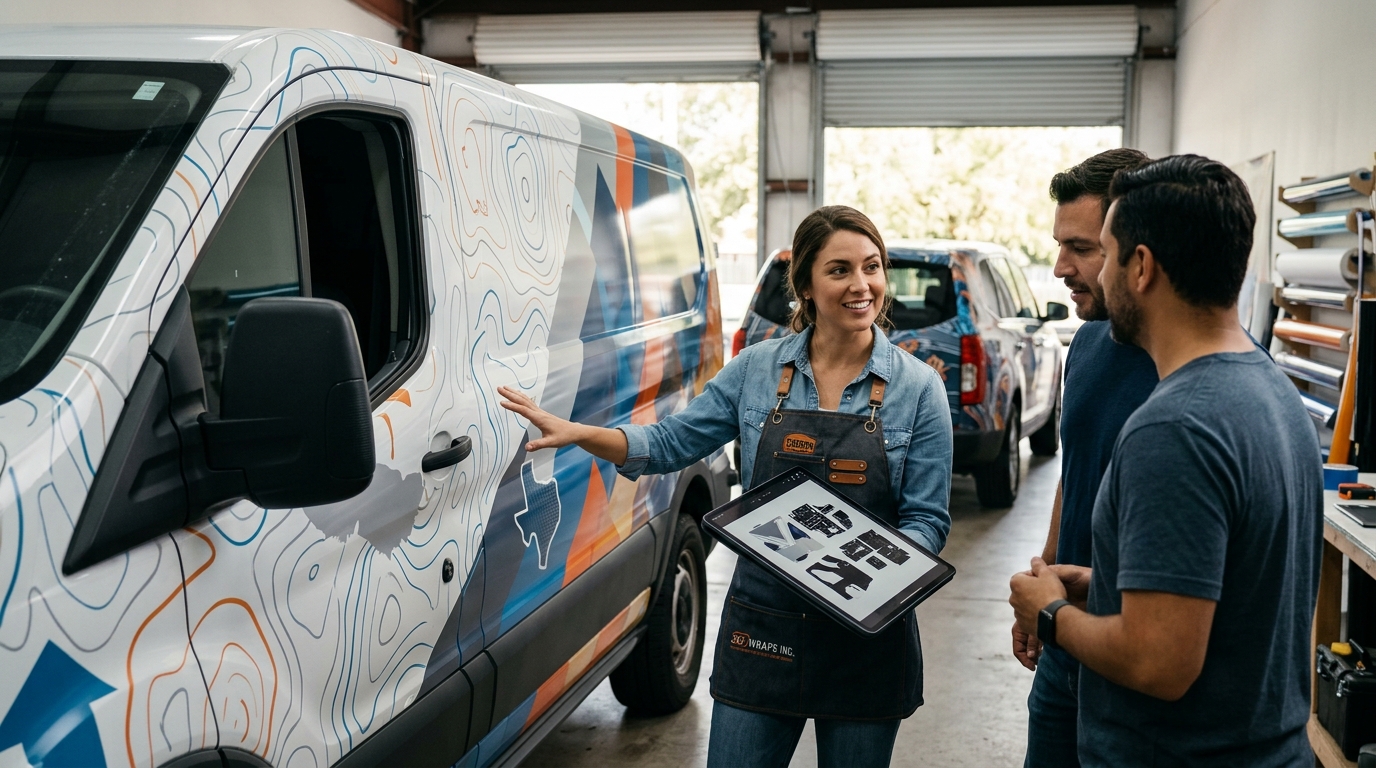
Vehicle wraps are not merely decorative skins; they are high-impact mobile billboards that drive measurable brand exposure. According to industry data, a single wrapped vehicle can generate up to 70,000 impressions per month, making it one of the most cost-effective advertising channels available for modern businesses. This guide explains how to design a vehicle wrap that captures attention, communicates your brand clearly, and converts viewers into customers.
Understanding the Basics of Vehicle Wrap Design
A vehicle wrap is a large graphic advertisement applied to a vehicle's exterior. It serves as a mobile extension of your brand identity. Unlike static billboards, wraps move through diverse geographic areas, exposing your message to a wide demographic. The design process requires balancing artistic creativity with strict technical constraints.
Vehicle wrap design is the strategic process of creating graphics that adhere to the complex curves and contours of a vehicle while maintaining brand integrity. This involves understanding how graphics distort on curved surfaces and how they appear to viewers moving at different speeds.
Effective design starts with knowing your audience. Are you targeting local commuters or highway travelers? The answer dictates your message length and visual complexity. A wrap must communicate your value proposition in seconds. If a viewer cannot read your message while passing by, the design has failed.
Core Design Principles for Maximum Impact
Successful vehicle wrap design relies on three core principles: simplicity, consistency, and visibility. These principles ensure that your brand stands out in a cluttered visual environment.
Simplicity in Visual Communication
Clutter is the enemy of recall. Your design should focus on a single, clear message. Avoid overcrowding the vehicle with too much text or too many images. The human brain processes simple visuals faster than complex ones. Use high-contrast colors to draw the eye. White text on a dark background, or vice versa, ensures readability from a distance.
Brand Consistency Across Touchpoints
Your vehicle wrap must align with your overall brand identity. Use the same logo, color palette, and typography found on your website, business cards, and social media. This consistency builds trust and recognition. When potential customers see your vehicle, they should immediately recognize your brand without hesitation.
Brand consistency is the practice of maintaining uniform visual and verbal elements across all marketing channels to reinforce brand identity. For vehicle wraps, this means extending your digital and print brand guidelines to the physical surface of your fleet.
Visibility and Placement
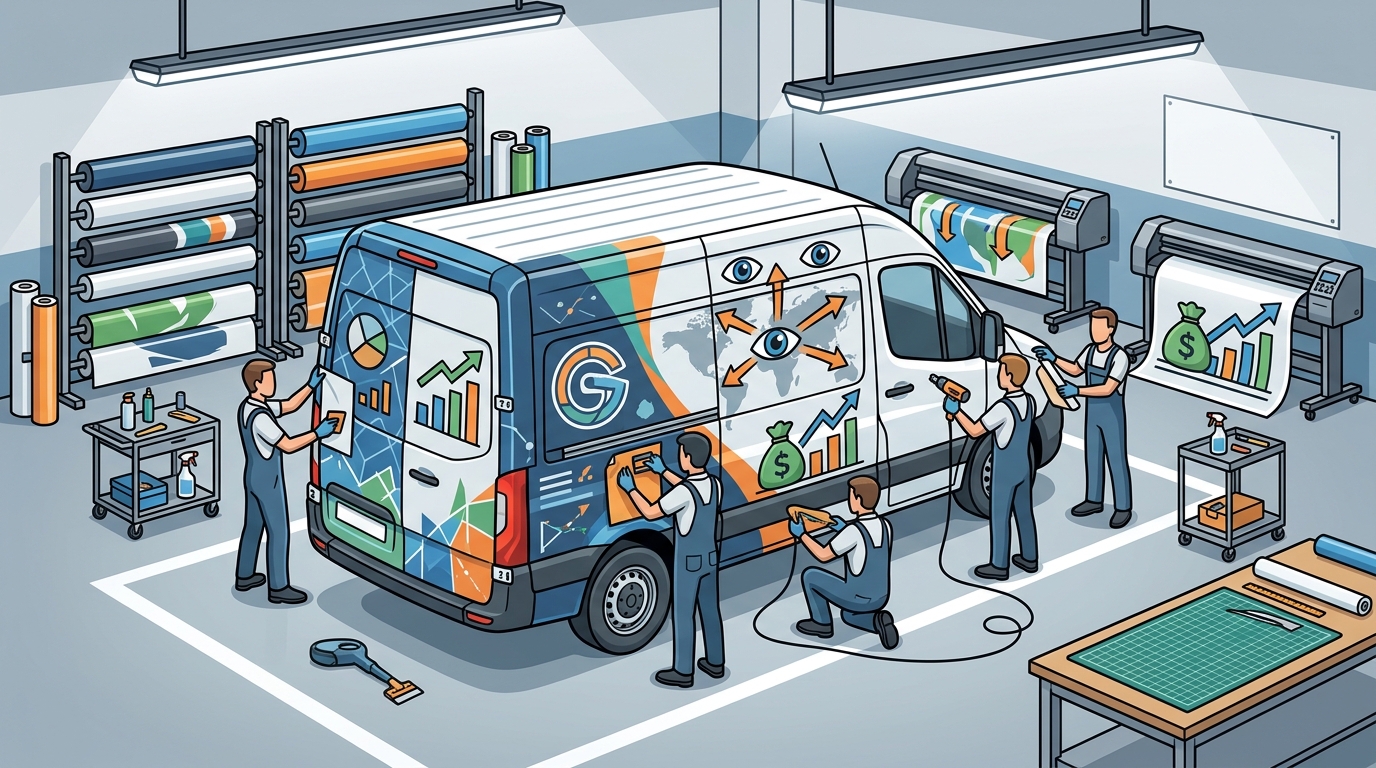
Place critical information where it can be seen. The rear bumper and side panels are prime real estate. Ensure your logo and contact information are placed at eye level for pedestrians and drivers. Avoid placing important details near wheel wells or door handles, as these areas can obscure the message.
Color and Contrast Strategies
Color psychology plays a significant role in how your vehicle wrap is perceived. Colors evoke emotions and associations that can influence consumer behavior. Choosing the right color scheme is crucial for capturing attention and conveying your brand message.
Choosing the Right Color Palette
Select colors that align with your brand identity and industry. For example, blue often conveys trust and professionalism, while red can signal urgency or excitement. Consider the environment where your vehicles will operate. A bright yellow wrap might stand out in a city but could be lost in a rural area with similar lighting conditions.
Using Contrast for Readability
High contrast between text and background is essential for readability. Low contrast designs are difficult to read, especially at a distance or in poor lighting conditions. Use tools to check contrast ratios to ensure your text meets accessibility standards. This ensures that your message is clear to all viewers, including those with visual impairments.
Avoiding Visual Fatigue
Too many colors can create visual fatigue and confusion. Limit your palette to two or three primary colors. Use accent colors sparingly to highlight key elements like your call-to-action or logo. This focus helps guide the viewer's eye to the most important parts of your design.
Typography and Readability at Speed
Typography is the voice of your vehicle wrap. It must be legible from a distance and at speed. Choosing the right font is just as important as choosing the right color.
Selecting the Right Font
Use bold, sans-serif fonts for maximum readability. These fonts are clean and easy to read from a distance. Avoid script or highly decorative fonts, as they can be difficult to decipher quickly. Your font should match your brand personality while prioritizing clarity.
Font Size and Spacing
Ensure your text is large enough to be read from at least 20 feet away. Use ample spacing between letters and words to prevent the text from blurring together. Tight kerning can make text look cluttered and hard to read. Generous spacing improves legibility and gives your design a professional appearance.
Limiting Text Length
Keep your text concise. A vehicle wrap is not a brochure. Use short phrases and bullet points. Your goal is to spark interest, not to provide a detailed explanation. Direct viewers to your website or phone number for more information. This approach respects the viewer's time and increases the likelihood of engagement.
Content Hierarchy and Call-to-Action
A well-designed vehicle wrap guides the viewer's eye through a logical sequence of information. This sequence is known as content hierarchy. It ensures that the most important information is seen first.
Establishing Visual Flow
Start with your logo or brand name. This establishes identity immediately. Next, highlight your primary service or value proposition. Finally, provide a clear call-to-action (CTA). This flow helps viewers understand who you are, what you do, and what they should do next.
Designing an Effective Call-to-Action
Your CTA should be specific and actionable. Use phrases like "Call Now," "Visit Our Website," or "Scan for More Info." Make sure your CTA is prominent and easy to read. Consider using a QR code for digital engagement. QR codes allow viewers to instantly access your website or special offers with their smartphones.
Testing Your Design
Before finalizing your design, test it in real-world conditions. View the mockup from a distance and at different angles. Ask colleagues or potential customers for feedback. Their perspective can reveal issues you might have missed. Iterating on your design based on feedback improves its effectiveness.
Technical Specifications and Material Selection
The physical application of your wrap is as important as the design itself. High-quality materials and professional installation ensure your wrap looks great and lasts for years.
Material Quality and Durability
Choose high-grade vinyl that is durable and weather-resistant. Premium materials resist fading, cracking, and peeling. They also protect your vehicle's original paint. Investing in quality materials ensures your wrap maintains its vibrant appearance over time, protecting your investment.
Professional Installation
Professional installation is critical for a flawless finish. Experienced installers ensure that graphics are aligned correctly and free of bubbles or wrinkles. They also know how to handle complex curves and contours. A poorly installed wrap can look unprofessional and detract from your brand image.
Vehicle wrap installation is the precise application of vinyl graphics to a vehicle's surface, requiring specialized tools and expertise to ensure durability and aesthetic perfection. This process involves careful surface preparation, heat molding, and smoothing to eliminate imperfections.
Maintenance and Care
Proper maintenance extends the life of your wrap. Wash your vehicle regularly using mild soap and water. Avoid high-pressure washers on the edges of the wrap. Do not use abrasive cleaners or wax on the vinyl. These practices can damage the material and reduce its lifespan.
Key Takeaways
- Simplicity is Key: Focus on a single, clear message to ensure quick comprehension by passing viewers.
- Brand Consistency: Align your wrap design with your existing brand identity to build trust and recognition.
- High Contrast: Use contrasting colors to enhance readability and visibility from a distance.
- Legible Typography: Choose bold, sans-serif fonts with ample spacing for maximum clarity at speed.
- Clear CTA: Include a specific call-to-action to guide viewers on their next step.
- Quality Materials: Invest in premium vinyl to ensure durability and protect your vehicle's paint.
- Professional Installation: Hire experienced installers to ensure a flawless, bubble-free finish.
Frequently Asked Questions
How long does a vehicle wrap last?
A high-quality vehicle wrap can last between five and seven years with proper care. The lifespan depends on the quality of the vinyl, installation, and environmental conditions. Regular washing and avoiding harsh chemicals can extend its life.
Can a vehicle wrap damage my car's paint?
No, a properly installed and removed vehicle wrap will not damage your paint. In fact, it protects the original paint from UV rays and minor scratches. When removed by professionals, the paint underneath remains intact.
How much does a vehicle wrap cost?
The cost varies based on the size of the vehicle, the complexity of the design, and the type of vinyl used. Partial wraps are generally less expensive than full wraps. Contact a provider for a detailed quote tailored to your needs.
Can I wrap my own vehicle?
While DIY kits are available, professional installation is recommended. Wrapping a vehicle requires specialized tools and skills to avoid bubbles, wrinkles, and misalignment. Professional installation ensures a durable and aesthetically pleasing result.
How do I clean a wrapped vehicle?
Wash your wrapped vehicle regularly with mild soap and water. Use a soft sponge or cloth. Avoid high-pressure washers on the edges and do not use abrasive cleaners or wax. These practices can damage the vinyl.
What is the best color for a vehicle wrap?
The best color depends on your brand identity and industry. High-contrast colors like white, yellow, or red often stand out the most. Choose a color that aligns with your brand and ensures readability.
How long does installation take?
Installation typically takes two to four days, depending on the size of the vehicle and the complexity of the design. This includes surface preparation, application, and curing time.
Start Your Wrap Project
Ready to transform your fleet into a powerful marketing tool? 360 Wraps offers seamless nationwide fleet branding and expert design services. We do not charge design time and believe in building long-lasting relationships. Visit our quote page to get started. Explore our services to learn more about our capabilities. Check out our gallery for inspiration. Learn about our company history and values. Connect with our team today.