Vehicle advertising has evolved from a niche marketing tactic into a mainstream revenue generator for businesses of all sizes. According to industry data, a fully wrapped vehicle can generate between 30,000 and 70,000 impressions per month, making the return on investment (ROI) significantly higher than traditional static billboards. However, the upfront capital required to achieve this visibility varies wildly. Understanding the specific levers that drive these costs is essential for budgeting accurately. This guide dissects the primary factors influencing the total cost of a full vehicle wrap, from material selection to vehicle geometry. (Contact Us 360 Wraps)
Material Selection and Vinyl Quality
The foundation of any wrap is the vinyl itself. The grade of material directly impacts durability, finish, and price. Cast vinyl is the premium standard for vehicle wraps. It is manufactured by pouring liquid vinyl onto a casting sheet, resulting in a thin, conformable material that stretches and shrinks to fit complex curves without lifting. This material typically lasts between five and seven years.
In contrast, calendered vinyl is produced by rolling the material into sheets. It is thicker and less conformable, making it suitable for flat surfaces but prone to shrinking and fading on curved vehicle panels within two to three years. While calendered vinyl is cheaper, the cost savings are often offset by the need for earlier replacement. For long-term brand consistency, investing in high-grade cast vinyl from reputable manufacturers ensures the graphics remain vibrant and intact.
Vehicle Size and Geometry
The physical dimensions and shape of the vehicle are the most immediate cost drivers. A full wrap requires more material and labor to cover a large surface area. The cost hierarchy generally follows this progression:
| Vehicle Type | Approximate Wrap Cost Range | Key Cost Factors |
|---|---|---|
| Compact Car (e.g., Honda Civic) | $2,500 - $3,500 | Less material, simpler curves |
| Sedan (e.g., Toyota Camry) | $3,000 - $4,500 | Standard surface area |
| SUV (e.g., Ford Explorer) | $4,000 - $6,000 | Larger panels, more seams |
| Full-Size Van (e.g., Ford Transit) | $5,000 - $8,000+ | Extensive surface area, flat panels |
| Heavy Duty Truck (e.g., Ford F-350) | $6,000 - $10,000+ | Complex geometry, mirrors, bed |
Geometry also plays a critical role. Vehicles with complex curves, sharp creases, or numerous body panels (like trucks with mirrors, door handles, and bed rails) require significantly more labor time. Installers must cut, heat, and stretch the vinyl around these obstacles, increasing the hourly cost. Conversely, vehicles with large, flat panels are faster to wrap, potentially reducing labor costs slightly.
Design Complexity and Custom Art
Design is often the most variable cost component. Many companies, including 360 Wraps, offer complimentary design services for standard color changes or simple logo placements. However, complex custom designs require specialized graphic designers to create production-ready layouts. Factors that increase design costs include:
- Custom Illustrations: Hand-drawn art or complex vector graphics require more hours to perfect.
- Multi-Color Designs: Designs with many colors or gradients require precise color matching and proofing.
- Revisions: While initial proofs are standard, extensive rounds of revisions can incur additional fees.
It is crucial to understand that design time is a real cost. Some providers charge hourly for design work, while others bundle it into the total project price. Always clarify whether the design fee is waived upon booking to avoid unexpected charges.
Installation Labor and Expertise
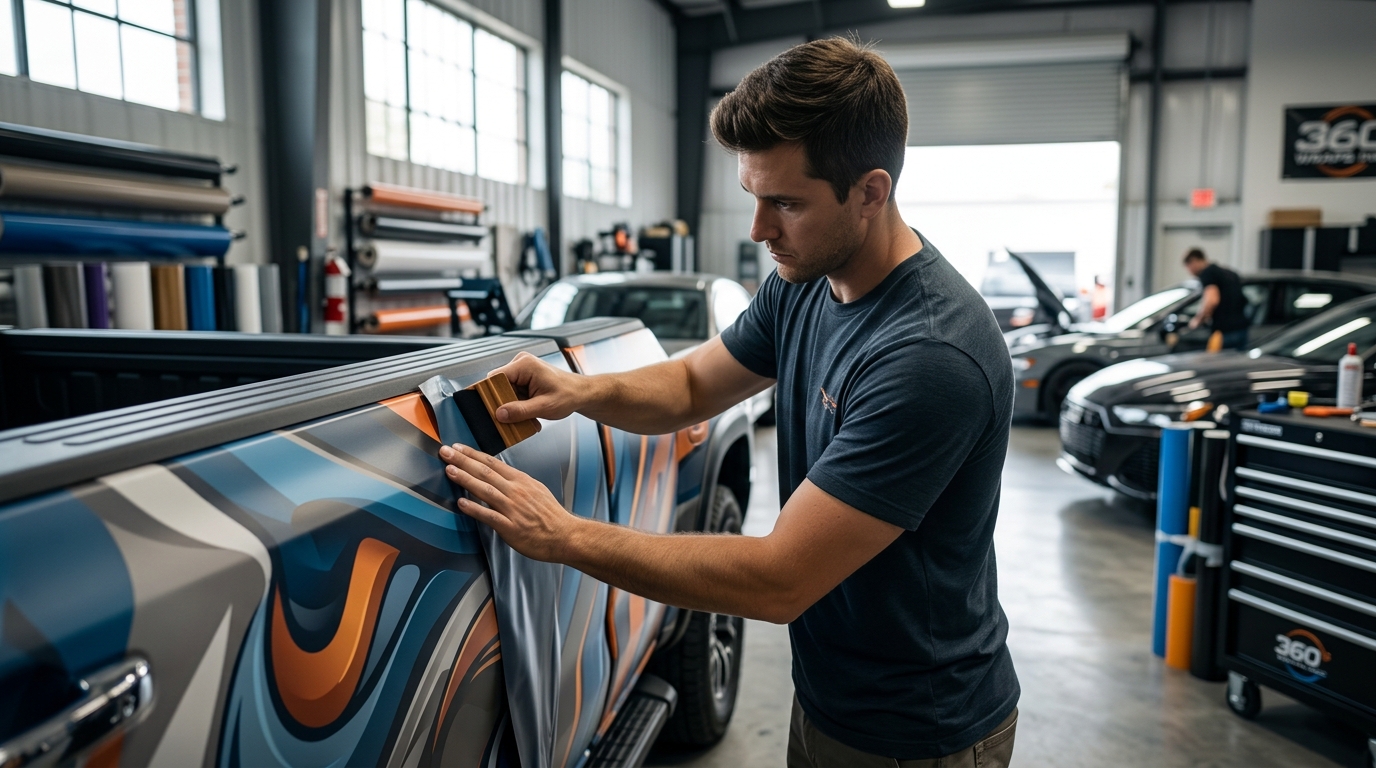
The installation process is where the rubber meets the road. A professional wrap is not just about sticking vinyl to a car; it is about surface preparation, precise alignment, and finishing. Vehicle wrapping requires certified installers who understand how to handle vinyl tension, heat activation, and trimming.
Labor costs vary by region and installer expertise. In major metropolitan areas, labor rates are higher due to the cost of living and demand. However, the quality of installation directly affects the longevity of the wrap. Poorly installed wraps may bubble, peel, or leave adhesive residue, leading to costly repairs or premature replacement. Certified installers undergo rigorous training to ensure that every panel is aligned perfectly and that edges are tucked or cut cleanly.
Additionally, surface preparation is a critical, often overlooked, cost factor. The vehicle must be thoroughly cleaned and decontaminated before installation. If the existing paint is damaged, peeling, or heavily oxidized, it must be repaired or painted before the wrap can be applied. These prep costs are typically billed separately.
Additional Services and Maintenance
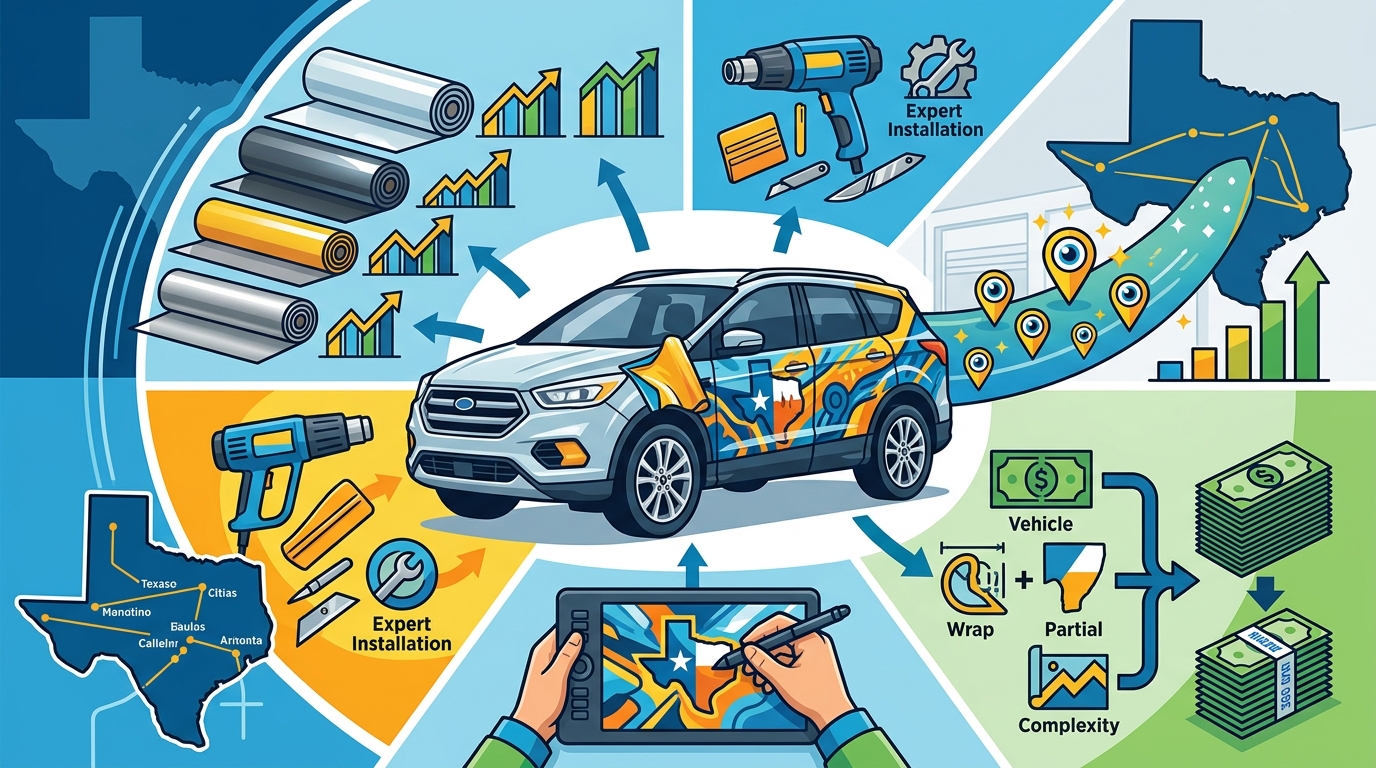
Beyond the base wrap cost, several ancillary services can influence the total price. Paint protection film (PPF) is often applied to high-impact areas like the hood, bumper, and side mirrors to protect the underlying paint from stone chips. This adds to the initial cost but preserves the vehicle's resale value.
Other services include window tinting, which can be bundled with the wrap for a discounted rate. Maintenance is also a consideration. While wraps are durable, they require specific care. Using abrasive cleaners or automatic car washes with brushes can damage the vinyl. Professional cleaning products and periodic waxing (with wrap-safe wax) are recommended to maintain gloss and protect the investment.
Fleet Discounts and Volume Pricing
For businesses, wrapping a single vehicle is just the beginning. Fleet branding offers significant economies of scale. When wrapping multiple vehicles, the per-unit cost decreases due to bulk material purchasing and streamlined design processes. Nationwide fleet branding allows companies to maintain consistent branding across dozens or hundreds of vehicles, regardless of location.
Volume discounts typically kick in at five or more vehicles. The savings come from reduced design fees, bulk material pricing, and efficient scheduling of installation teams. For large fleets, a dedicated project manager can coordinate logistics, ensuring that all vehicles are wrapped to the same standard and delivered on time. This consistency is vital for brand recognition and professional image.
Key Takeaways
- Material Matters: Cast vinyl lasts 5-7 years, while calendered vinyl lasts 2-3 years. Premium materials cost more upfront but save money long-term.
- Vehicle Geometry: Complex shapes and larger vehicles require more labor and material, increasing the total cost.
- Design Costs: Custom designs may incur fees, while simple color changes are often free. Clarify design policies before booking.
- Labor Quality: Certified installers ensure durability and finish. Cheap installations can lead to premature failure and higher replacement costs.
- Fleet Discounts: Wrapping multiple vehicles reduces the per-unit cost through bulk pricing and streamlined processes.
- Prep Work: Paint repair and surface preparation are essential and may add to the final bill.
- ROI Potential: A well-executed wrap can generate 30,000-70,000 impressions monthly, offering a strong return on investment.
Frequently Asked Questions
How long does a full vehicle wrap last?
A high-quality cast vinyl wrap typically lasts between five and seven years, depending on environmental conditions and maintenance. Exposure to extreme sun, salt, or harsh chemicals can shorten its lifespan.
Can I wrap my car myself to save money?
While DIY wrap kits are available, professional installation is recommended. DIY wraps often result in bubbles, misalignment, and premature peeling. Professional installers have the tools and expertise to ensure a flawless finish.
Does the type of vehicle affect the price?
Yes. Larger vehicles like vans and trucks require more material and labor. Complex geometries, such as those found on trucks with mirrors and bed rails, also increase installation time and cost.
Are there discounts for wrapping multiple vehicles?
Yes, most wrap companies offer fleet discounts for five or more vehicles. These discounts apply to both materials and labor, reducing the per-unit cost significantly.
What is the difference between cast and calendered vinyl?
Cast vinyl is thinner, more conformable, and durable, making it ideal for vehicle wraps. Calendered vinyl is thicker and less flexible, suitable for flat surfaces but prone to shrinking on curved panels.
Do I need to remove the wrap when selling my car?
It is generally recommended to remove the wrap before selling the vehicle to preserve the underlying paint. A professionally removed wrap should leave no adhesive residue, maintaining the car's resale value.
How much does design cost?
Design costs vary by provider. Some companies offer free design for standard color changes, while others charge for custom artwork. Always ask about design fees before booking.
Ready to Transform Your Fleet?
Understanding the factors that influence the cost of a full vehicle wrap empowers you to make informed decisions and maximize your marketing ROI. Whether you are wrapping a single luxury car or a nationwide fleet, the quality of materials and installation is paramount. Get a quote today from 360 Wraps to see how we can bring your brand to life on the road.