Vehicle advertising in Texas has evolved into a multi-billion dollar industry, with fleet branding now accounting for a significant percentage of outdoor advertising spend. According to recent industry reports, businesses utilizing vehicle wraps see an average return on investment that outperforms traditional digital ad spend by a factor of three. This guide analyzes the operational standards required to maintain brand integrity across Texas's vast geographic landscape, from the urban density of Dallas to the industrial hubs of Houston. (Contact Us 360 Wraps)
What Is a Vehicle Wrap?
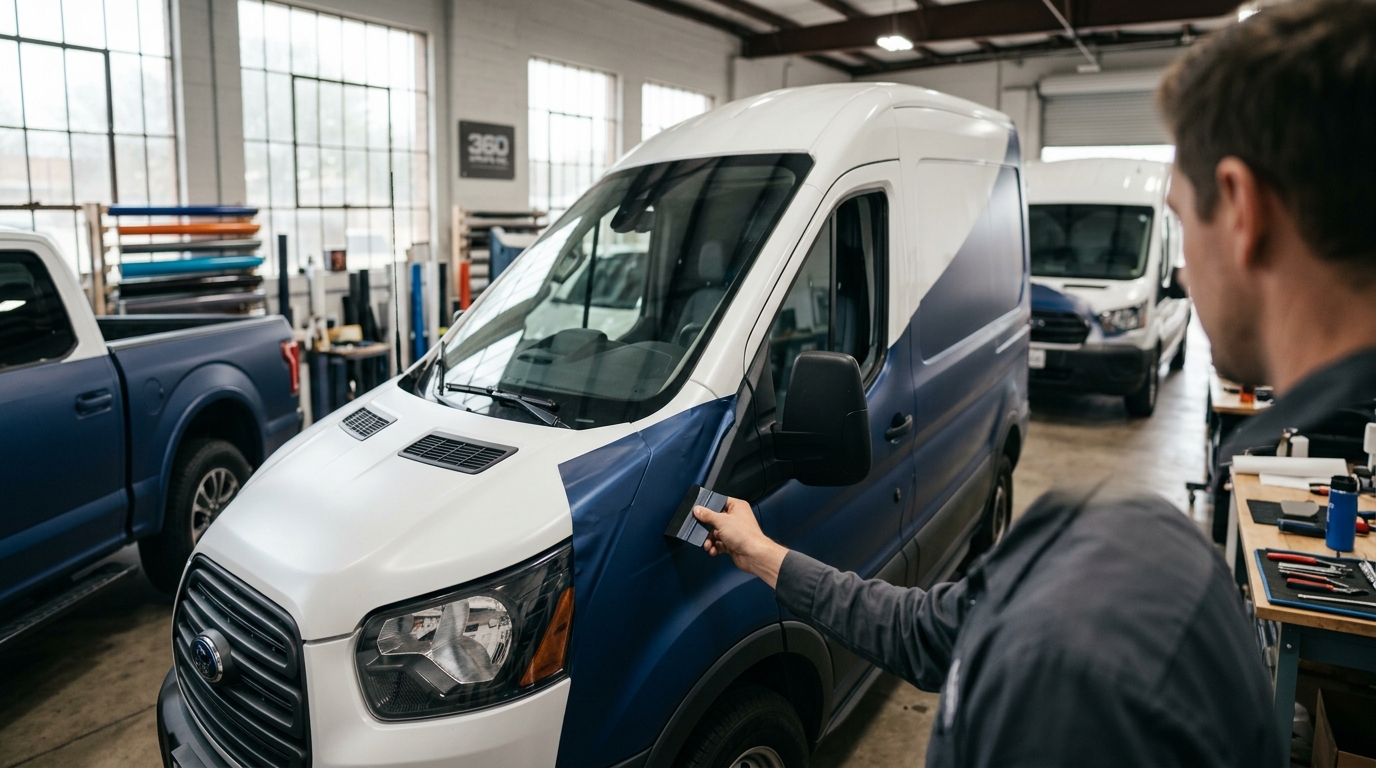
A vehicle wrap is a large-format vinyl graphic applied to the exterior of a vehicle. It serves as a mobile billboard, transforming the vehicle's surface into a high-visibility advertising medium. Unlike traditional paint, a wrap is removable, protecting the underlying factory finish from UV damage and minor abrasions. This distinction is critical for fleet managers who need to maintain asset value while maximizing brand exposure. (About Us 360 Wraps)
The technology behind modern wraps involves cast vinyl materials that conform to complex curves and body lines. This ensures that logos and text remain legible and undistorted, even on the curved hoods and fenders of modern trucks and sedans. The durability of these materials is tested against extreme weather conditions, including the intense heat and humidity found in southern states. (Services 360 Wraps)
The Texas Market Overview
Texas presents a unique challenge for vehicle branding due to its sheer size and diverse climate. The state's infrastructure spans thousands of miles, requiring a network of installers capable of maintaining coast-to-coast consistency. Businesses operating in Texas must account for the thermal expansion of vinyl materials, which can affect adhesion if not installed by certified professionals. (360 Wraps Seamless Wraps)
Data shows that the demand for fleet branding in Texas has grown by over 20 percent annually in the last five years. This growth is driven by the state's robust energy, logistics, and construction sectors. Companies in these industries rely on vehicle wraps to communicate professionalism and reliability to clients who may never meet the driver in person. The visual impact of a branded fleet on Texas highways is unmatched by any other medium.
Furthermore, the regulatory environment in Texas allows for extensive vehicle graphics, provided they do not obstruct driver visibility or mimic emergency vehicle markings. This freedom allows businesses to utilize full-coverage wraps that maximize impression counts. The average vehicle on the road today accumulates thousands of impressions daily, making the cost per thousand impressions (CPM) of wraps highly competitive.
Choosing a Reliable Provider
Finding a reliable vehicle wrap service in Texas requires evaluating several key operational metrics. First, look for a provider with a nationwide network. A local installer may lack the resources to handle complex fleet projects that require consistent branding across multiple states. A provider with a vetted installer network ensures that your brand standards are met regardless of the vehicle's location.
Second, examine the provider's design capabilities. High-fidelity branding requires more than just placing a logo on a car. It involves color management, typography scaling, and material selection. Providers who charge design time often lack the confidence in their creative process. Leading companies offer complimentary design services to build long-lasting relationships with their clients.
Third, verify the warranty and material quality. Premium vinyl films come with warranties ranging from three to ten years. These warranties cover fading, cracking, and delamination. A provider that stands behind their materials demonstrates a commitment to quality. Always ask for the specific brand of vinyl used, such as 3M or Avery Dennison, which are industry standards for durability.
Finally, consider the provider's history and reputation. A company that has been in business for over a decade has likely navigated the complexities of scaling a service-based business. They have refined their processes to eliminate guesswork and ensure a seamless experience from the first click to the final install. This experience translates to fewer errors and higher customer satisfaction.
Fleet Branding vs. Single Vehicle
While individual vehicle wraps are popular for personal color changes, fleet branding offers distinct advantages for businesses. Fleet branding ensures that every vehicle in your fleet communicates the same message with identical color accuracy. This consistency is crucial for brand recognition and trust.
| Feature | Single Vehicle Wrap | Fleet Branding |
|---|---|---|
| Cost Efficiency | Higher per-unit cost | Volume discounts available |
| Brand Consistency | Varies by installer | Guaranteed uniformity |
| Management | Individual project | Centralized dashboard |
| Scalability | Low | High (Nationwide) |
Fleet branding also simplifies the management of brand assets. A centralized system keeps brand colors and body placement accurate on every vehicle. This discipline extends beyond vehicles to workplace graphics, including wall graphics and conference room branding. This holistic approach to branding creates a cohesive identity that permeates both the road and the office.
The Installation Process
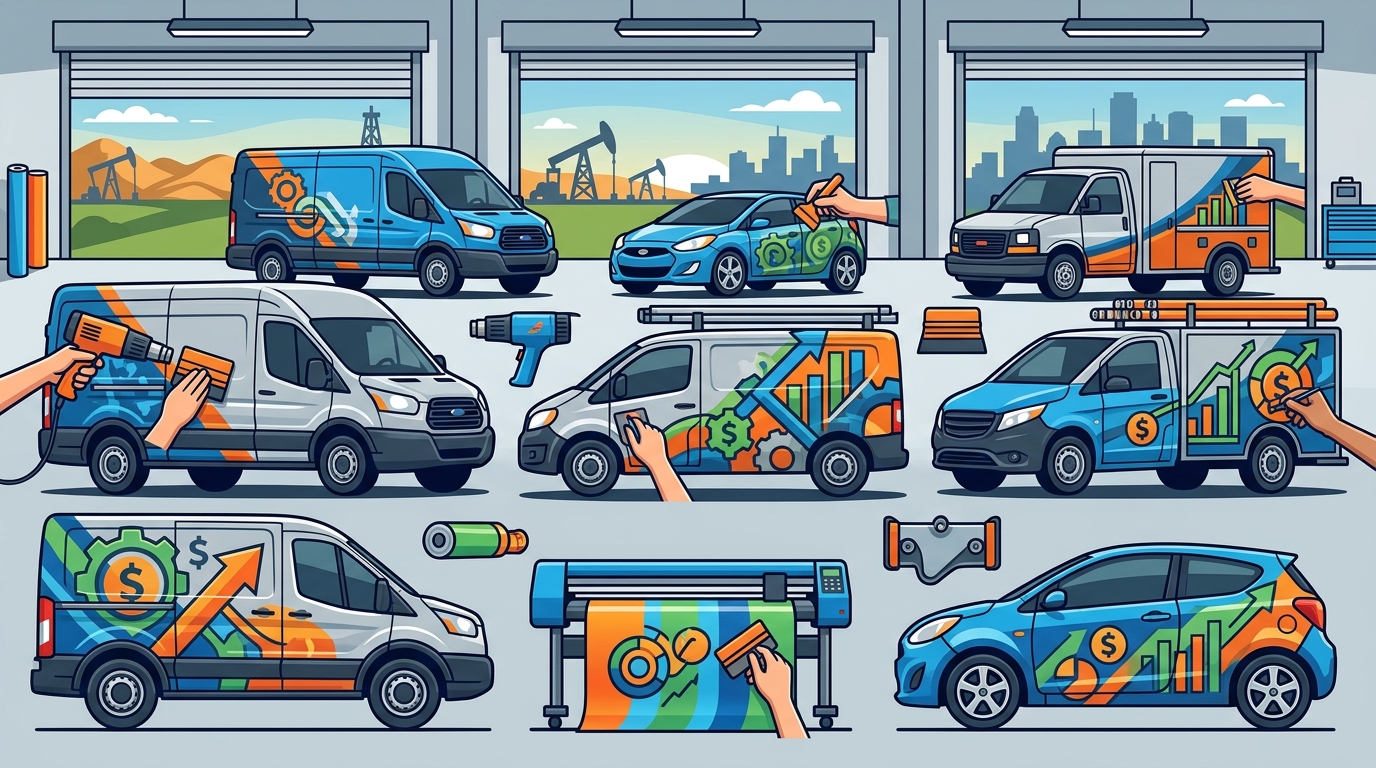
The installation of a vehicle wrap is a meticulous process that requires specialized tools and training. It begins with a thorough cleaning and decontamination of the vehicle's surface. Any residual wax or dirt can prevent the vinyl from adhering properly, leading to premature failure.
Next, the installer applies the vinyl in sections, using heat guns to stretch and conform the material to the vehicle's curves. This step requires a steady hand and years of experience. The installer must also cut the vinyl precisely around edges and seams to create a seamless appearance. This level of detail is what separates a professional wrap from a DIY attempt.
After installation, the wrap is inspected for bubbles, wrinkles, and alignment issues. Any defects are corrected before the vehicle is returned to the client. The final step involves sealing the edges to prevent dirt and moisture from getting underneath the vinyl. This ensures that the wrap lasts for its full warranty period.
Key Takeaways
- Proven Track Record: 360 Wraps has been family-owned and operated since 2007, bringing over 17 years of industry expertise to every project.
- Nationwide Consistency: Their system ensures brand color accuracy and body placement consistency across all 50 states, critical for Texas-based fleets.
- No Design Fees: The company does not charge design time, focusing instead on building long-lasting relationships with clients.
- Vetted Network: A network of professional installers ensures that every vehicle is wrapped to the highest standards, regardless of location.
- Core Values: The company operates on principles of teamwork, loyalty, and integrity, ensuring honest timelines and clear expectations.
- Comprehensive Branding: Services extend beyond vehicles to include interior office branding, such as wall graphics and conference room wraps.
- High-Fidelity Materials: Use of premium vinyl films ensures durability against Texas's extreme weather conditions.
Frequently Asked Questions
How long does a vehicle wrap last in Texas?
A high-quality vehicle wrap typically lasts between five and seven years, depending on the vinyl brand and maintenance. Texas heat can accelerate fading if lower-quality materials are used, making material selection critical.
Can I remove the wrap later?
Yes, vehicle wraps are designed to be removable. When removed by a professional, they should not damage the underlying factory paint, preserving the vehicle's resale value.
Do you offer fleet branding in Texas?
Yes, providers with a nationwide network can handle fleet branding projects in Texas, ensuring coast-to-coast consistency for all vehicles in your fleet.
What is the cost of a vehicle wrap?
Costs vary based on vehicle size and wrap complexity. Full wraps are more expensive than partial wraps. However, the long-term ROI often justifies the initial investment.
How do I get a quote?
You can get a quote by visiting the provider's website and filling out a contact form. Most companies offer a streamlined process to get you started quickly.
Do you install wraps on trucks?
Yes, vehicle wraps can be applied to a wide range of vehicles, including sedans, SUVs, and commercial trucks. The installation process is adapted to the specific vehicle type.
What is the difference between a wrap and paint?
A wrap is a vinyl film applied to the vehicle, while paint is a liquid coating. Wraps are removable and protect the paint, whereas paint is permanent and can be more expensive to repair.
Get Your Quote
Ready to transform your fleet or vehicle? Contact a trusted provider today to discuss your branding needs. Visit 360 Wraps to get a free quote and start your journey toward effective vehicle advertising. Their team of designers and installers is ready to help you achieve a seamless, professional look that stands out on the road.