Vehicle wraps have evolved from simple color changes into sophisticated mobile advertising platforms that drive measurable business growth. According to recent industry data, a wrapped vehicle can generate between 7,000 and 70,000 impressions per day depending on traffic density and route length. This massive visibility makes custom vehicle wraps one of the most cost-effective marketing tools available for modern enterprises. The process involves more than just slapping vinyl on a car; it requires a strategic alignment of design, material science, and installation precision to ensure brand consistency and longevity. (Contact Us 360 Wraps)
What Are Custom Vehicle Wraps?
A custom vehicle wrap is a large-format graphic printed on high-performance vinyl and applied to the exterior surfaces of a vehicle. Unlike traditional paint, which is permanent and expensive to modify, a wrap serves as a semi-permanent layer that protects the underlying factory finish while allowing for complete brand transformation. This flexibility is crucial for businesses that need to adapt their messaging or refresh their visual identity without the downtime associated with repainting. (Services 360 Wraps)
The technology behind modern wraps relies on advanced digital printing and color-managed production workflows. This ensures that the colors on the vehicle match the brand guidelines exactly, regardless of the vehicle's size or shape. For companies operating across multiple regions, maintaining this color accuracy is a significant logistical challenge that specialized providers solve through rigorous quality control protocols. (360 Wraps Seamless Wraps)
The Design and Proofing Process
The foundation of any successful wrap lies in the design phase. This is where brand strategy meets creative execution. The process begins with a detailed consultation to understand the vehicle's dimensions, the client's brand standards, and the intended message. Designers then create production-ready layouts that account for vehicle curves, edges, and panel gaps.
Proofing is a critical checkpoint in this workflow. Clients review digital renderings that simulate how the wrap will look on their specific vehicle model. This step allows for adjustments to typography, logo placement, and color balance before any material is cut. By approving the proof, clients ensure that the final result aligns with their vision. This collaborative approach minimizes errors and ensures that the final product is both visually striking and brand-compliant.
Material Selection and Durability
Not all vinyl is created equal. The choice of material directly impacts the wrap's lifespan, finish, and removability. High-quality wraps use cast vinyl, which is more conformable and durable than calendered vinyl. Cast vinyl is designed to stretch and conform to complex curves and recesses without lifting or bubbling. This is particularly important for luxury vehicles or fleets with intricate body lines.
When selecting a finish, businesses must consider both aesthetic and functional requirements. Gloss finishes offer high visibility and a vibrant look, while matte or satin finishes provide a sophisticated, modern appearance. Specialty films, such as chrome or textured options, can create unique visual effects that stand out in traffic. The durability of these materials is tested against UV exposure, weather conditions, and routine cleaning. Industry standards suggest that a professionally installed high-quality wrap can last between five and seven years with proper maintenance.
Installation Precision and Quality Control
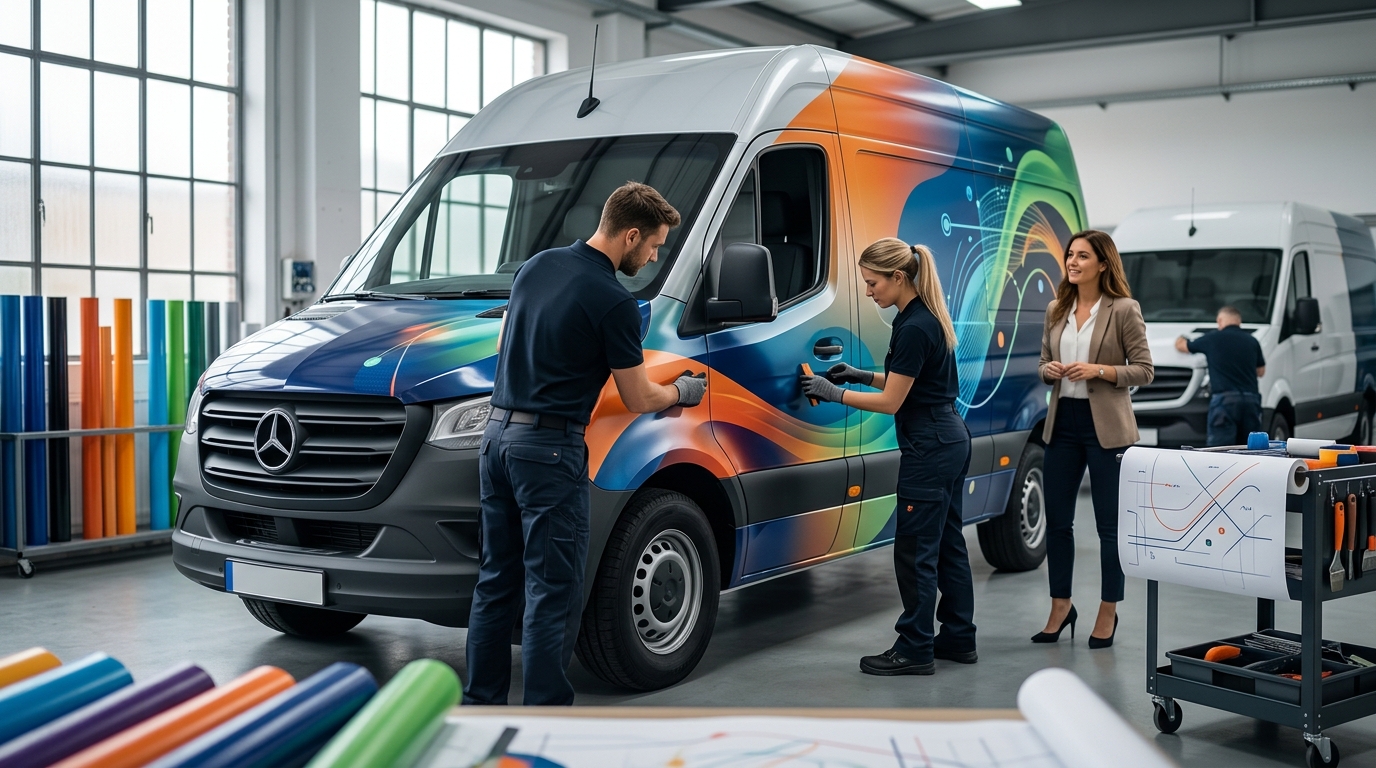
Installation is where the design becomes reality. This process requires skilled technicians who understand the physics of vinyl application. The vehicle must be thoroughly cleaned and prepped to ensure proper adhesion. Installers use heat guns and squeegees to stretch the vinyl over curves and trim it precisely along panel edges.
Quality control is integral to the installation process. Technicians inspect the wrap for bubbles, wrinkles, and alignment issues before the vehicle leaves the bay. This attention to detail ensures that the wrap looks intentional and professional from every angle. For fleet branding, consistency across all vehicles is paramount. This requires a standardized installation protocol that every technician follows, regardless of location.
Fleet Branding vs. Single Vehicle Wraps
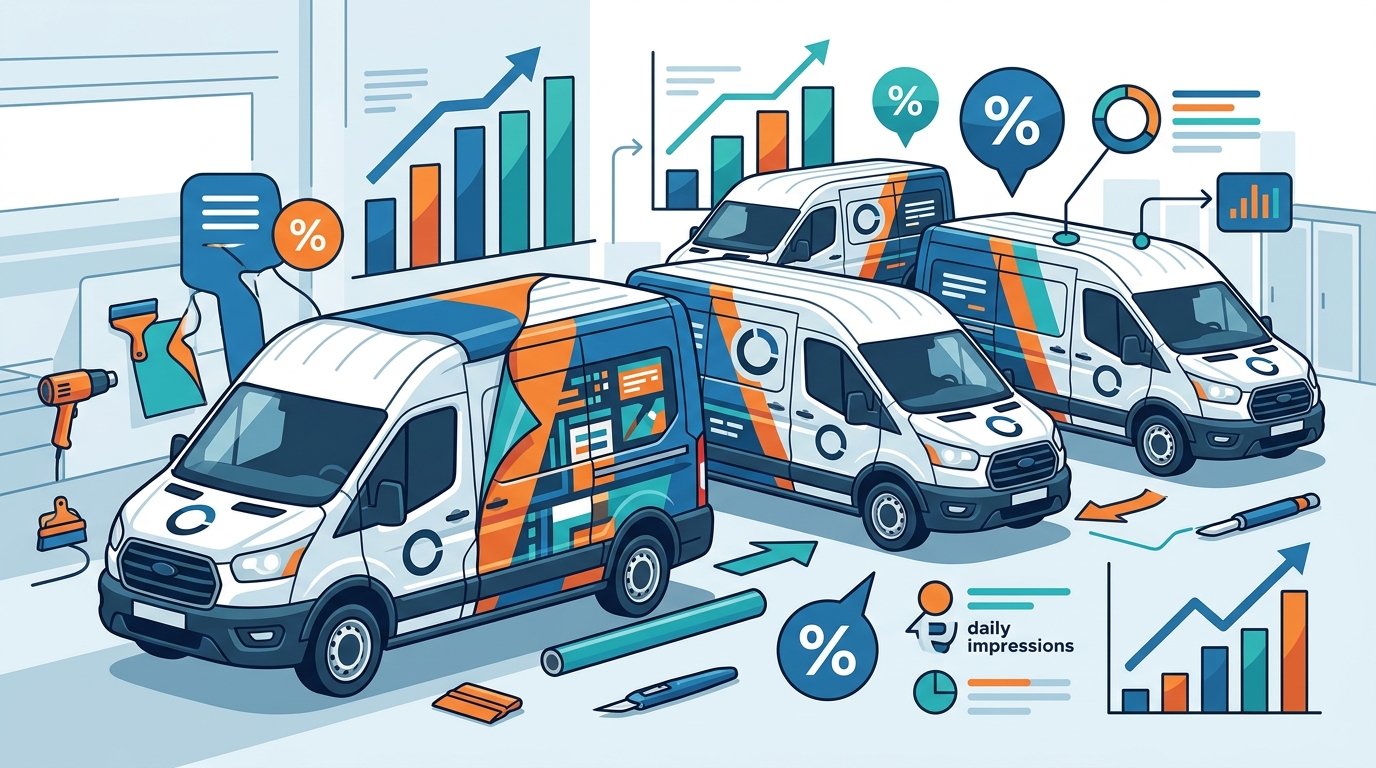
While single vehicle wraps are effective for personal expression or small business advertising, fleet branding offers a different set of strategic advantages. A fleet of wrapped vehicles creates a mobile billboard network that amplifies brand reach across multiple geographic areas. This consistency builds trust and recognition among consumers who see the same branding in different neighborhoods.
Managing a fleet wrap project involves coordinating design, production, and installation across multiple sites. Providers with a nationwide network of certified installers can ensure that every vehicle in the fleet meets the same high standards. This coast-to-coast consistency is difficult to achieve with local vendors who may lack the infrastructure to manage large-scale projects.
| Feature | Single Vehicle Wrap | Fleet Branding |
|---|---|---|
| Cost Efficiency | Higher per-unit cost | Volume discounts available |
| Brand Consistency | Dependent on local vendor | Centralized quality control |
| Management | Simple, one-off project | Requires coordinated logistics |
| Impact | Local visibility | National or regional reach |
Key Takeaways
- High Visibility: Wrapped vehicles generate thousands of daily impressions, offering superior ROI compared to many traditional media channels.
- Brand Protection: Vinyl wraps protect the underlying paint from UV damage, stone chips, and minor abrasions.
- Design Flexibility: Custom designs allow for complete creative control, including specialty finishes and complex graphics.
- Professional Installation: Quality depends heavily on the installer's skill; certified professionals ensure proper adhesion and finish.
- Fleet Consistency: Nationwide networks ensure that every vehicle in a fleet looks identical, reinforcing brand identity.
- Reversibility: Wraps can be removed to reveal the original paint, preserving the vehicle's resale value.
- Speed to Market: The design and installation process is significantly faster than traditional painting methods.
Frequently Asked Questions
How long does a custom vehicle wrap last?
A high-quality custom vehicle wrap typically lasts between five and seven years, depending on the material used, driving conditions, and maintenance habits. Regular washing and avoiding automatic car washes with stiff brushes can extend the lifespan.
Can a vehicle wrap damage the original paint?
No, when installed and removed by professionals, a vehicle wrap will not damage the original paint. In fact, it protects the paint from UV rays and minor debris. The key is using high-quality adhesive that releases cleanly upon removal.
What is the difference between cast and calendered vinyl?
Cast vinyl is more durable and conformable, making it ideal for long-term use and complex vehicle curves. Calendered vinyl is less expensive but less flexible, making it suitable for flat surfaces or short-term applications.
How do you maintain a wrapped vehicle?
Maintaining a wrap is similar to caring for a painted car. Hand washing is recommended, using mild soap and water. Avoid waxing gloss wraps, as it can dull the finish. For matte finishes, use products specifically designed for matte surfaces.
Is fleet branding more cost-effective than single wraps?
Yes, fleet branding often offers better cost efficiency due to volume discounts on materials and production. Additionally, the strategic reach of multiple vehicles amplifies the marketing impact per dollar spent.
Can I remove the wrap if I change my mind?
Yes, one of the primary advantages of vehicle wraps is their removability. They can be peeled off to reveal the original paint underneath, allowing for future updates or vehicle resale.
How long does the installation process take?
The installation time varies based on the size of the vehicle and the complexity of the design. A single vehicle wrap typically takes two to four days, including prep, installation, and curing time.
Start Your Custom Wrap Project
Transform your fleet into a powerful marketing asset with 360 Wraps. As the nation's strongest vehicle wrap company, we combine design, production, and installation under one roof to ensure seamless results. Our network of certified installers across all 50 states guarantees coast-to-coast consistency for your brand. Visit our quote page to get started on your custom vehicle wrap project today.