Vehicle wrap advertising spend grew by 12% annually from 2019 to 2023, reaching $1.2 billion in the United States. This explosive growth highlights a critical reality for modern marketers: the mobile billboard is no longer a niche tactic but a central pillar of brand visibility. However, spending millions on ad spend means nothing if the vehicle design fails to capture attention or communicate the brand message clearly. Designing an effective vehicle wrap requires a strategic blend of graphic design principles, automotive engineering constraints, and psychological marketing triggers. This guide details the exact methodology used by industry leaders to transform a standard vehicle into a high-impact marketing asset. (Contact Us 360 Wraps)
Understanding the Mobile Billboard Advantage
Before diving into pixels and vectors, you must understand the medium. A vehicle wrap is not a static poster; it is a dynamic, three-dimensional canvas that moves through diverse environments. The primary metric that drives this medium is recall. Research indicates that the recall rate after 30 days for full wraps is 78%. This figure dwarfs traditional digital ad recall rates, which often hover in the single digits. The effectiveness stems from the sheer duration of exposure. A typical fleet vehicle travels thousands of miles annually, exposing the brand to hundreds of thousands of potential customers in local communities. (360 Wraps Seamless Wraps)
However, this high recall rate is contingent on the design being legible at speed. Drivers have less than three seconds to process the information on a passing vehicle. If the design is cluttered, the colors clash, or the call to action is buried, the investment yields zero return. Therefore, the design phase must prioritize clarity and hierarchy over artistic complexity. The goal is not to tell the whole story, but to spark curiosity and provide a clear path to engagement.
Core Design Principles for High Visibility
Effective vehicle wrap design relies on three non-negotiable principles: contrast, simplicity, and strategic placement. These elements work in concert to ensure the brand is recognized instantly, regardless of lighting conditions or traffic density.
1. Contrast and Color Psychology
Contrast is the most critical factor in legibility. High-contrast combinations, such as dark text on a light background or vice versa, ensure that the message pops against the chaotic visual noise of the road. Color psychology also plays a vital role. Blue conveys trust and professionalism, ideal for financial or medical fleets. Red triggers urgency and excitement, suitable for food delivery or emergency services. Yellow offers high visibility, making it a favorite for construction and utility companies. At 360 Wraps, we utilize a color-managed output system to ensure that the digital proof matches the physical vinyl exactly, preventing the dreaded "brand color drift" that can undermine professional credibility.
2. Simplicity and the "Three-Second Rule"
Complex designs fail on vehicles. The human brain cannot process intricate details while driving at 45 miles per hour. A successful wrap distills the brand message into its most essential components: logo, tagline, and contact information. Avoid using more than two or three primary colors. Limit the amount of text. If a driver cannot read the phone number or website URL in three seconds, the design has failed. Use large, bold fonts that are easily readable from a distance. Curved surfaces also distort text, so avoid placing critical information on highly contoured areas like wheel arches or door handles.
3. Strategic Placement of Information
Not all parts of the vehicle are created equal. The rear bumper and side doors are the "prime real estate" of a vehicle wrap. These areas are large, flat, and directly in the line of sight for pedestrians and other drivers. The rear of the vehicle is particularly valuable because it is viewed directly by following traffic, allowing for a longer dwell time. The sides are viewed by cross-traffic and pedestrians. The roof and hood are less effective for detailed information due to viewing angles and distance. Therefore, place your logo and primary call to action on the rear and sides. Use the roof for secondary brand reinforcement or subtle patterns that add visual interest without cluttering the main message.
The Design Process: From Concept to Proof
Designing a vehicle wrap is a collaborative process that bridges the gap between creative vision and technical reality. It is not merely about creating a pretty picture; it is about engineering a graphic that fits the vehicle's geometry perfectly. This process typically involves three distinct phases: alignment, production, and proofing.
Phase 1: Alignment and Brand Standards
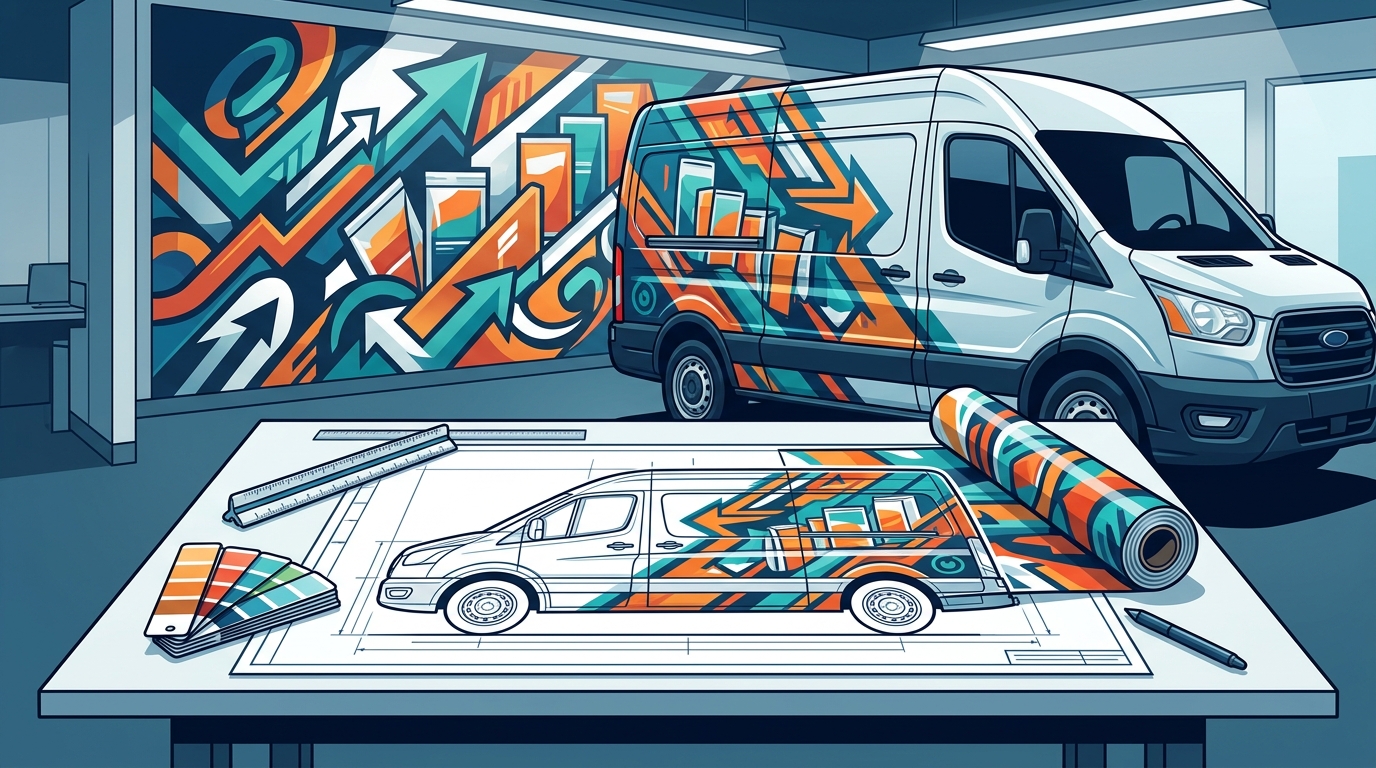
The first step is to align on goals, fleet composition, and brand standards. This involves gathering high-resolution vector files of the logo, defining the exact color codes (Pantone, CMYK, RGB), and establishing the tone of the message. We then translate these ideas into production-ready layouts. This stage is crucial for identifying potential issues early. For example, if a logo is too small or a color is too light for the chosen vinyl, it will be caught here, saving time and money later.
Phase 2: Production-Ready Layouts
Once the concept is approved, the design is mapped onto a digital template of the specific vehicle model. This is where the "seamless" aspect of professional wrapping comes into play. The design must account for panel gaps, door handles, mirrors, and wheel wells. The goal is to create a layout that flows seamlessly across these physical breaks, making the vehicle look like it was painted in that color rather than wrapped. This requires precise alignment and an understanding of how vinyl behaves when stretched over curves.
Phase 3: Proofing and Approval
The final design is presented as a high-resolution proof. This proof allows the client to review the layout, check for typos, and verify color accuracy. It is the last chance to make changes before the vinyl is printed. At 360 Wraps, we believe in building long-lasting relationships, which means we do not charge design time for this iterative process. We work with you until the proof is perfect, ensuring that the final product matches your vision exactly.
Material Selection and Durability
The design is only as good as the material it is printed on. Vehicle wraps are exposed to extreme UV radiation, rain, snow, road salt, and car wash chemicals. Therefore, the vinyl must be durable, flexible, and removable without damaging the underlying paint. Premium cast vinyl is the industry standard for high-end wraps. It conforms better to complex curves and lasts longer than calendered vinyl. The color-managed output process ensures that the vinyl matches the brand system, so every panel lands consistent from press to peel. (Vehicle Wrap Advertising)
Additionally, the type of finish matters. Gloss finishes offer high visibility and vibrant colors. Matte finishes provide a modern, sophisticated look but can be more difficult to clean. Satin finishes offer a middle ground, providing a subtle sheen that is easier to maintain. The choice of finish should align with the brand's identity and the vehicle's intended use. For example, a luxury car wrap might benefit from a satin or matte finish, while a construction fleet might prefer a glossy finish for maximum visibility and ease of cleaning.
Installation Accuracy and QC
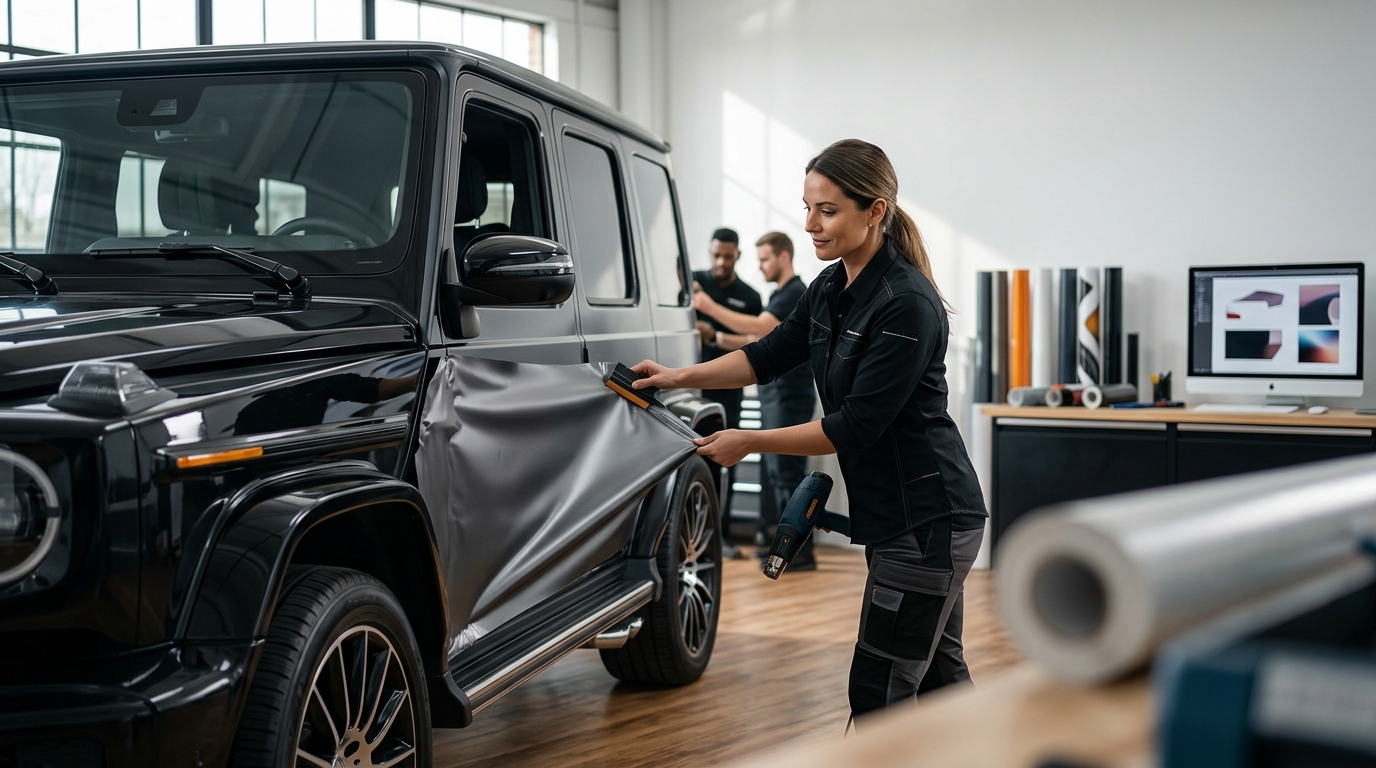
Even the most brilliant design can fail if installed poorly. Installation is the final checkpoint in the design process. Certified installers handle alignment and finish with quality control along the way. This ensures that vehicles leave looking as sharp as the rendering promised. Key aspects of installation include:
- Panel Alignment: Ensuring that the design lines up perfectly across panel gaps.
- Edge Wrapping: Wrapping the vinyl around the edges of panels to prevent peeling and give a painted look.
- Bubble and Wrinkle Removal: Using heat guns and squeegees to ensure a smooth, bubble-free finish.
- QC Inspection: A final inspection to check for any defects, such as misalignment, color inconsistencies, or adhesive issues.
This rigorous QC process is what distinguishes a professional wrap from a DIY job. It ensures that the brand is represented accurately and that the wrap will last for years without degradation.
Key Takeaways
- High Recall Rate: Full vehicle wraps achieve a 78% recall rate after 30 days, making them one of the most effective advertising mediums. (Vehicle Wrap Marketing)
- Market Growth: Vehicle wrap advertising spend grew by 12% annually from 2019 to 2023, reaching $1.2 billion in the US.
- Design Simplicity: Use high-contrast colors and limit text to ensure legibility within three seconds.
- Strategic Placement: Prioritize the rear bumper and side doors for primary brand messaging.
- Premium Materials: Use premium cast vinyl with color-managed output to ensure durability and brand accuracy.
- Professional Installation: Certified installers are essential for proper alignment, edge wrapping, and QC.
- Brand Consistency: Maintain consistent brand colors and body placement across all vehicles in the fleet.
Frequently Asked Questions
How long does a vehicle wrap last?
A high-quality vehicle wrap, when installed by certified professionals and maintained properly, can last between five to seven years. The durability depends on the quality of the vinyl, the exposure to environmental factors, and the frequency of washing.
Can a vehicle wrap damage the original paint?
No, a properly installed vehicle wrap protects the original paint from UV rays, minor scratches, and road debris. When removed by professionals, it should not damage the underlying paint, provided the paint was in good condition before installation.
How much does a vehicle wrap cost?
The cost varies depending on the size of the vehicle, the complexity of the design, and the type of vinyl used. A partial wrap is generally less expensive than a full wrap. However, the cost per impression is often lower for wraps compared to traditional advertising methods due to their longevity and high visibility.
What is the best color for a vehicle wrap?
There is no single "best" color, as it depends on the brand identity and the desired effect. However, high-contrast colors like white, yellow, and red tend to be more visible and effective for advertising purposes. It is important to choose colors that align with the brand's existing identity.
How long does the installation process take?
The installation process typically takes three to five days, depending on the size of the vehicle and the complexity of the design. This includes time for surface preparation, installation, and curing.
Can I wash my wrapped vehicle?
Yes, you can wash your wrapped vehicle. However, it is recommended to hand wash it rather than using an automatic car wash with brushes, as the brushes can damage the vinyl. Use a mild soap and a soft cloth or sponge.
Do you offer design services?
Yes, we offer comprehensive design services. We do not charge design time and work with you to create a production-ready layout that aligns with your brand standards and vehicle geometry.
Start Your Project
Designing an effective vehicle wrap is a strategic investment in your brand's visibility and recall. By following the principles outlined in this guide and partnering with a trusted provider, you can transform your fleet into a powerful marketing tool. 360 Wraps combines design, production, and install under one roof, ensuring coast-to-coast consistency for your brand. Whether you need help creating your new brand, rebranding your current image, or expanding your fleet, we are here to help. Get a quote today to start your journey toward high-impact mobile advertising.