Vehicle wrapping has evolved from a niche automotive modification into a primary marketing channel for businesses and a popular aesthetic choice for car enthusiasts. According to recent industry data, the average cost for a full vehicle wrap ranges from $2,500 to $5,000 for standard sedans, while larger commercial fleets can see costs scale significantly based on volume and complexity. This wide variance is not arbitrary. It is driven by specific operational variables including material quality, vehicle geometry, design complexity, and installer expertise. Understanding these factors is critical for accurate budgeting and ensuring long-term durability.
Material Quality and Durability
The foundation of any vehicle wrap is the vinyl film itself. Not all vinyl is created equal, and the price difference between premium and budget materials is substantial. Premium cast vinyl, such as 3M or Avery Dennison products, offers superior conformability to complex curves and longer lifespan. These materials are engineered to withstand UV exposure, temperature fluctuations, and chemical exposure without fading or cracking.
Cast vinyl is generally more expensive than calendered vinyl. Calendered vinyl is suitable for flat surfaces and short-term applications but lacks the longevity required for permanent branding. For businesses seeking a return on investment over five years or more, investing in high-grade cast vinyl is non-negotiable. The cost per square foot increases, but the cost per impression over time decreases significantly.
Additionally, the type of finish affects pricing. Standard gloss and matte finishes are industry standards. However, specialized finishes like chrome, satin, or textured materials require more precise installation techniques and often cost more due to material scarcity and handling difficulty. A professional vehicle graphics service will guide you through these material choices to balance budget with performance.
Vehicle Size and Geometry
The physical dimensions and shape of the vehicle are primary cost drivers. A compact sedan requires significantly less material and labor than a full-size pickup truck or a commercial box truck. The surface area to be covered directly correlates to the amount of vinyl purchased.
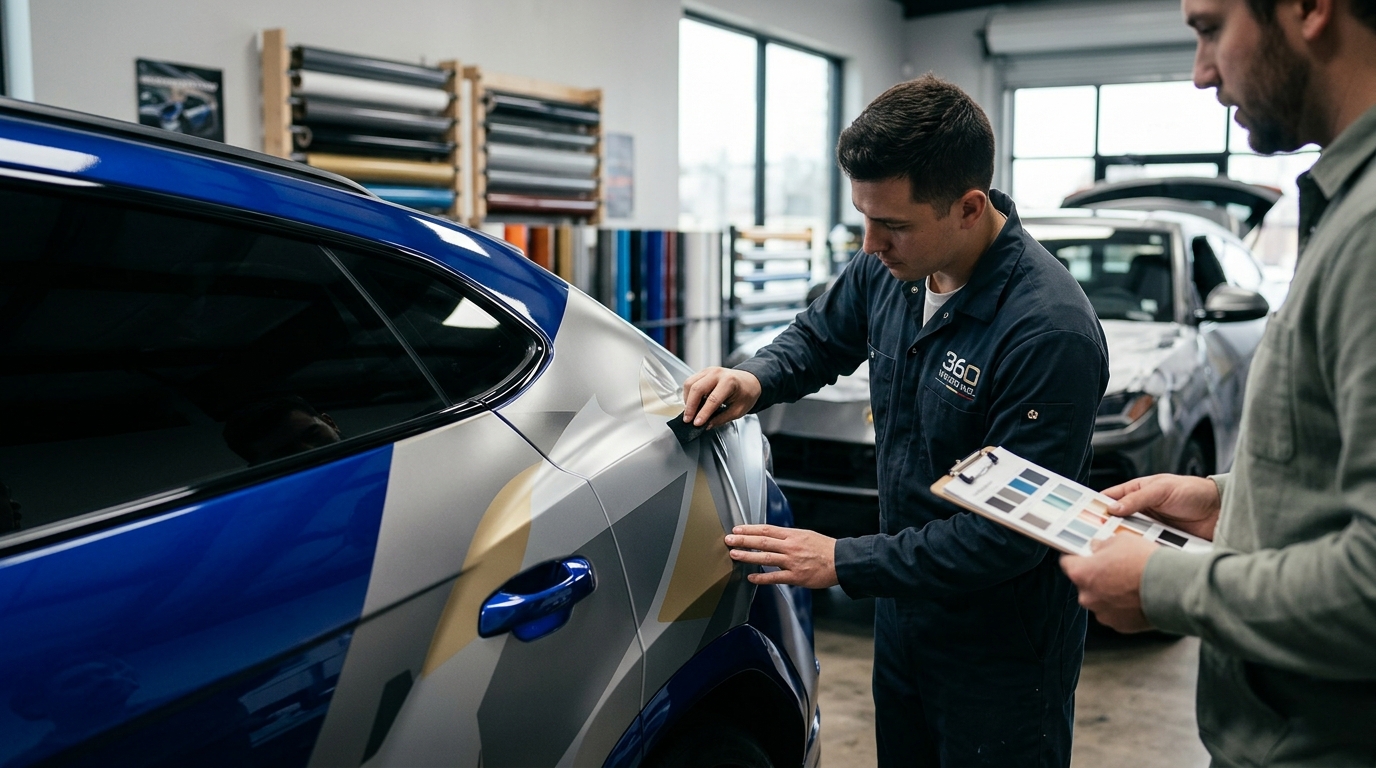
Geometry is equally important. Vehicles with complex curves, sharp edges, and intricate body lines require more time to wrap. Installers must heat, stretch, and trim the vinyl carefully to avoid wrinkles, bubbles, or lifting edges. A vehicle with a simple, flat design is faster to wrap, reducing labor costs. Conversely, a vehicle with many panels, door handles, and mirrors increases the time required for masking and precise application.
Commercial vehicles often present unique challenges. Large trucks may require multiple panels of vinyl to be joined seamlessly. This "seamless" requirement is a hallmark of high-quality installation. At 360 Wraps, our nationwide network ensures that even complex geometries are handled with coast-to-coast consistency, maintaining brand integrity regardless of vehicle type.
Design Complexity and Customization
Design is the creative engine of the wrap, but it also impacts the bottom line. Simple color changes or minimal branding are less expensive than full custom artwork. The complexity of the design dictates the amount of time a graphic designer spends on the project.
Custom designs require extensive consultation, multiple revisions, and precise color matching. If your brand has specific Pantone colors or complex logos, the design phase becomes more labor-intensive. However, many premium wrap companies, including 360 Wraps, offer design services at no additional cost to streamline the process and build long-term relationships. This value-add reduces the overall perceived cost for the client.
Another factor is the number of colors and gradients. Designs with many colors or intricate cut-outs require more precise printing and installation. Simple, bold graphics are easier to produce and apply. Understanding your design needs early in the process helps in getting an accurate quote and avoiding unexpected fees.
Installer Expertise and Labor
Labor is often the most significant variable in wrap pricing. An experienced installer can complete a job faster and with fewer errors than a novice. The cost of labor reflects the skill level required to handle expensive materials and deliver a flawless finish.
Skilled installers are trained to handle edge wrapping, which involves tucking the vinyl into panel gaps for a factory-like appearance. This technique requires precision and experience. Poor installation can lead to premature failure, such as peeling or bubbling, which costs the client more in the long run. Therefore, paying for expert installation is an investment in durability.
The geographic location of the installer can also influence labor rates. Urban areas with a higher cost of living may have higher labor costs. However, a nationwide network of vetted professionals, like the one maintained by 360 Wraps, ensures that quality standards remain consistent regardless of location. This network allows for efficient scheduling and reduced travel costs for complex jobs.
Fleet Discounts vs. Single Units
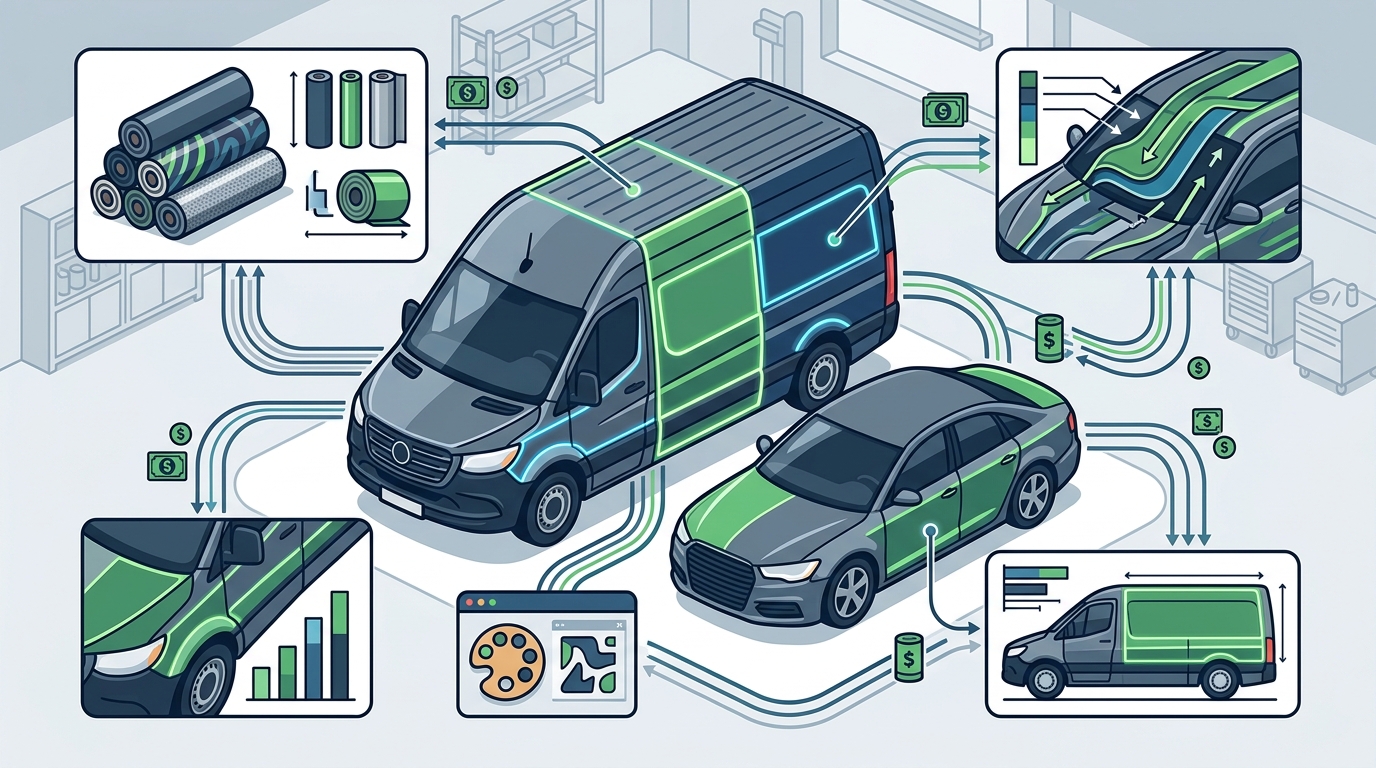
One of the most significant factors influencing total cost is the volume of vehicles being wrapped. Fleet branding offers substantial economies of scale. When wrapping multiple vehicles, the design cost is amortized across the fleet. The installation process becomes more efficient as installers develop a rhythm and workflow for similar vehicle types.
Many wrap companies offer tiered pricing for fleets. The per-vehicle cost decreases as the number of vehicles increases. This is because the fixed costs, such as design and project management, are spread over a larger base. For businesses looking to expand their mobile advertising reach, wrapping a fleet is a cost-effective strategy.
Additionally, fleet wraps often benefit from standardized processes. 360 Wraps specializes in nationwide fleet branding, ensuring that brand colors and body placement are accurate on every vehicle, whether you have one wrap or a thousand. This consistency is crucial for maintaining brand identity across a large geographic area.
Maintenance and Longevity
The total cost of a vehicle wrap should also consider maintenance and longevity. A high-quality wrap, when properly maintained, can last between five and seven years. This longevity provides a strong return on investment compared to traditional advertising methods.
Proper maintenance includes regular washing and avoiding automatic car washes with brushes. The cost of maintenance is minimal compared to the initial investment. However, choosing a lower-quality wrap may result in the need for replacement sooner, increasing the total cost of ownership.
Understanding the warranty provided by the installer is also important. Reputable companies offer warranties on both materials and labor. This protection ensures that any issues with peeling, fading, or bubbling are addressed without additional cost to the client. This peace of mind is a valuable component of the overall value proposition.
Key Takeaways
- Material Choice: Premium cast vinyl from brands like 3M or Avery Dennison offers superior durability and conformability, justifying a higher initial cost.
- Vehicle Geometry: Complex curves and sharp edges increase labor time and cost, while simple shapes are more economical to wrap.
- Design Complexity: Custom artwork requires more design hours, but many providers offer free design services to reduce overall client costs.
- Fleet Scaling: Wrapping multiple vehicles significantly reduces the per-unit cost through amortized design and streamlined installation processes.
- Installer Expertise: Skilled installers ensure edge wrapping and seamless finishes, preventing costly premature failures and peeling.
- Longevity: High-quality wraps last 5-7 years, providing a lower cost per impression over time compared to traditional advertising.
- Warranty Coverage: Reputable installers provide warranties on materials and labor, protecting your investment against defects.
Frequently Asked Questions
How long does a full vehicle wrap last?
A professionally installed full vehicle wrap using premium materials typically lasts between five and seven years. This duration depends on environmental factors, maintenance habits, and the quality of the vinyl used. Regular washing and parking in shaded areas can extend the life of the wrap.
Does wrapping a fleet of vehicles reduce the cost per unit?
Yes, wrapping a fleet significantly reduces the cost per vehicle. Design costs are amortized across all units, and installation efficiencies are gained through standardized processes. Companies like 360 Wraps offer nationwide fleet branding services to ensure consistency and cost savings for large-scale operations.
What is the difference between cast and calendered vinyl?
Cast vinyl is more durable, conformable, and long-lasting, making it ideal for full wraps and commercial use. Calendered vinyl is less expensive but less durable and conformable, making it suitable for short-term applications or flat surfaces. For permanent branding, cast vinyl is the recommended choice.
Can I wash my wrapped vehicle in an automatic car wash?
It is generally recommended to avoid automatic car washes with brushes, as they can damage the vinyl edges and cause peeling. Hand washing or touchless automatic washes are safe and recommended to maintain the appearance and longevity of the wrap.
How does vehicle size affect the total cost of a wrap?
Larger vehicles require more material and more labor time to install. A compact sedan will cost less than a full-size pickup truck or a commercial box truck. The surface area and complexity of the vehicle's body lines are the primary determinants of material and labor costs.
Is design included in the price of a vehicle wrap?
Many premium wrap companies, including 360 Wraps, include design services at no additional cost. This approach helps streamline the process and build long-term relationships with clients. However, highly complex custom designs may incur additional fees depending on the provider.
What factors influence the installation time of a vehicle wrap?
Installation time is influenced by vehicle size, complexity of body lines, the number of panels, and the installer's experience. Complex vehicles with many curves and edges take longer to wrap than simple, flat-surfaced vehicles. Proper preparation and masking also add to the time required.
Get Your Custom Quote
Understanding the factors that influence the cost of a vehicle wrap empowers you to make informed decisions that balance budget with quality. Whether you are looking to brand a single vehicle or a nationwide fleet, the right partner can provide exceptional value and consistency. Get a quote today from 360 Wraps to start your project with confidence. Our team of experts is ready to help you create a seamless, high-impact wrap that drives results.