Commercial vehicle wraps are not merely aesthetic upgrades; they are high-performance advertising assets that must withstand extreme environmental stressors. According to industry data, a well-executed vehicle wrap can generate up to 70,000 impressions per day depending on fleet routing and urban density. This level of exposure demands materials that resist UV degradation, chemical corrosion, and physical abrasion. Selecting the wrong vinyl can lead to premature peeling, color fading, and costly re-wraps that damage your brand's credibility. This guide details the technical specifications, lifecycle expectations, and strategic applications of commercial-grade wrap materials to ensure your fleet delivers consistent ROI. (Contact Us 360 Wraps)
Understanding Vinyl Types and Grades
The foundation of any successful vehicle wrap lies in the polymer composition of the vinyl. Not all vinyl is created equal, and the distinction between consumer-grade and commercial-grade materials is stark. Commercial wraps utilize cast vinyl, which is engineered for long-term durability and conformability to complex vehicle curves. In contrast, calendered vinyl is typically reserved for flat surfaces and short-term applications, as it lacks the memory to stretch and shrink without wrinkling. (About Us 360 Wraps)
Cast vs. Calendered Vinyl
Cast vinyl is produced by pouring a liquid PVC mixture onto a casting line, resulting in a film with uniform thickness and superior dimensional stability. This material is essential for commercial fleets because it can conform to the tightest curves of bumpers, mirrors, and door handles without lifting. Calendered vinyl, while cheaper, is mechanically stretched during production, creating internal stresses that cause the material to shrink over time. For a commercial vehicle that spends hours on the highway, this shrinkage can lead to edge lifting and water intrusion. (Services 360 Wraps)
Adhesive Technology
The adhesive layer is just as critical as the vinyl face. Commercial-grade wraps use pressure-sensitive acrylic adhesives that offer a balance of initial tack and long-term removability. This ensures that the wrap stays secure during high-speed driving but can be removed cleanly without damaging the original paint. According to research on adhesive performance, high-quality acrylic adhesives maintain bond strength across temperature ranges from -40°F to 180°F. This thermal resilience is vital for vehicles operating in diverse climates, from the freezing winters of the northern states to the scorching heat of the southern regions. (360 Wraps Seamless Wraps)
Durability and Lifespan Expectations
When investing in commercial vehicle graphics, the expected lifespan is a primary driver of cost-per-impression calculations. The durability of a wrap is influenced by material quality, environmental conditions, and maintenance practices. Understanding these factors helps fleet managers budget accurately and set realistic expectations for their advertising assets. (360 Wraps Seamless Wraps)
UV Protection and Fading
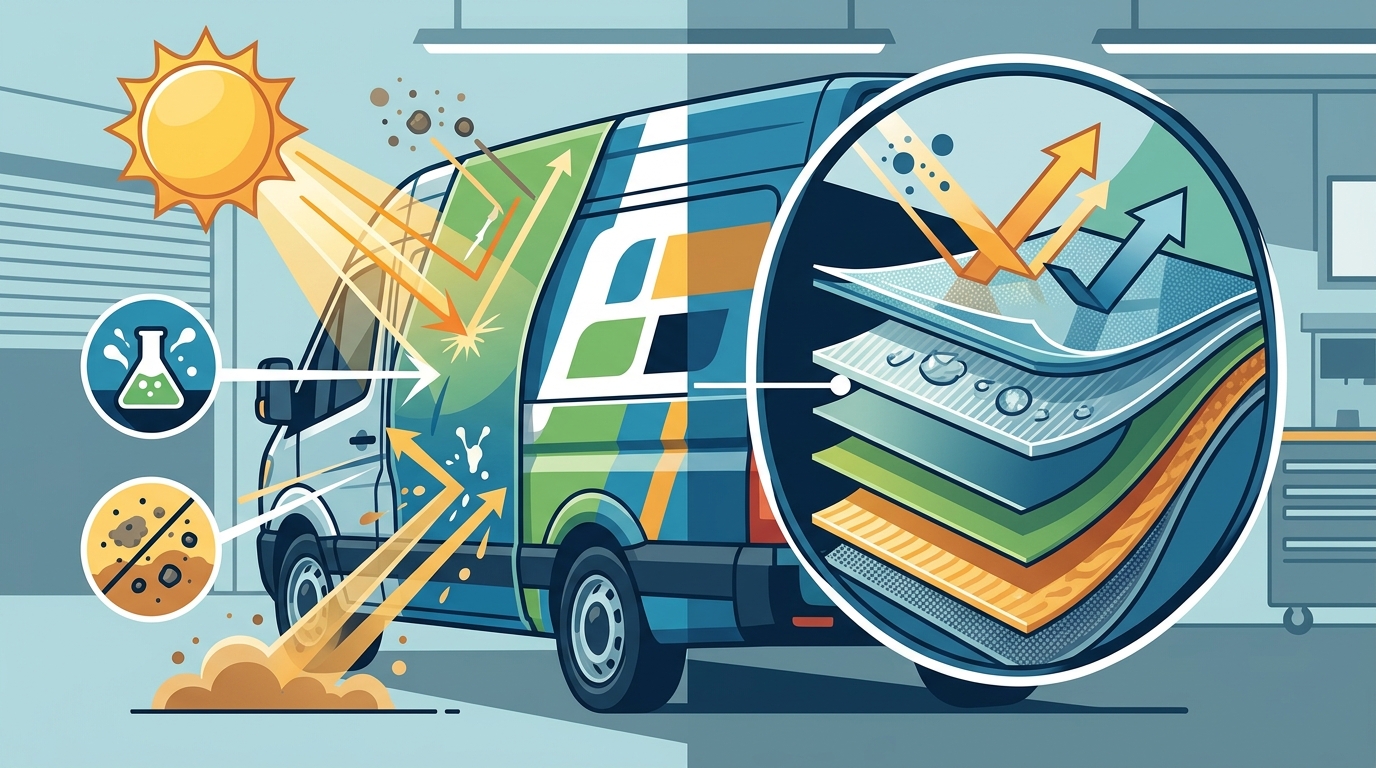
Ultraviolet (UV) radiation is the primary enemy of vehicle wrap colors. Prolonged exposure causes pigments to break down, leading to fading and chalking. Premium commercial vinyls include UV inhibitors and top coats that significantly slow this process. Data from automotive coating studies indicates that high-quality cast vinyl can retain 90% of its color integrity for up to seven years with proper care. Lower-grade materials may begin to fade noticeably within two to three years, diminishing the professional appearance of your fleet.
Chemical Resistance
Commercial vehicles are exposed to a variety of chemicals, including road salts, bird droppings, tree sap, and fuel spills. These substances can etch into the vinyl surface if not cleaned promptly. Commercial-grade materials are engineered with chemical-resistant top coats that repel these contaminants, making routine washing more effective. According to environmental durability reports, vehicles in high-pollution urban areas may require more frequent cleaning to prevent chemical staining. This highlights the importance of choosing a material that can withstand harsher operating environments.
Surface and Finish Options
The finish of the vinyl affects not only the visual appeal but also the practicality of the wrap. Different finishes offer varying levels of glare, texture, and maintenance requirements. Choosing the right finish depends on your brand identity and the specific use case of the vehicle.
Gloss vs. Matte Finishes
Gloss finishes are the most popular choice for commercial fleets due to their high visibility and vibrant color reproduction. They reflect light, making the vehicle stand out in traffic. Matte finishes, on the other hand, offer a sophisticated, non-reflective look that can help a brand appear more premium. However, matte wraps require more careful maintenance, as water spots and oil residues are more visible on non-reflective surfaces. Industry trends show a 20% increase in demand for matte and satin finishes among luxury and tech-focused brands seeking to differentiate their fleet from traditional competitors.
Specialty Films
Beyond standard colors, specialty films offer unique visual effects. These include chrome, carbon fiber, brushed metal, and textured finishes. These materials are often used for accent panels or full wraps on high-profile vehicles to create a striking visual impact. According to market analysis of automotive customization trends, specialty films are growing rapidly in the commercial sector as brands seek to create memorable brand experiences. However, these films can be more challenging to install and may have shorter lifespans than standard gloss or matte vinyls.
Fleet Management and Consistency
For businesses with multiple vehicles, maintaining brand consistency across the entire fleet is crucial. This requires not only matching colors but also ensuring that the material behaves uniformly across different vehicle makes and models. A professional provider with a nationwide network can ensure this consistency.
Color Matching Systems
Precise color matching is achieved through advanced spectrophotometry and color management systems. These tools ensure that the vinyl matches your brand's Pantone or RAL color codes exactly. According to brand management best practices, consistent color application across all touchpoints increases brand recognition by up to 80%. This level of precision is only possible with professional-grade materials and calibrated printing equipment.
Nationwide Installation
A fleet spread across multiple states needs a provider with a robust installation network. 360 Wraps leverages a network of over 3,000 certified installers across all 50 states to ensure that every vehicle in your fleet receives the same high-quality finish. This coast-to-coast consistency is vital for brands that operate nationally, as it ensures that your advertising message is delivered uniformly regardless of location.
Installation Quality Factors
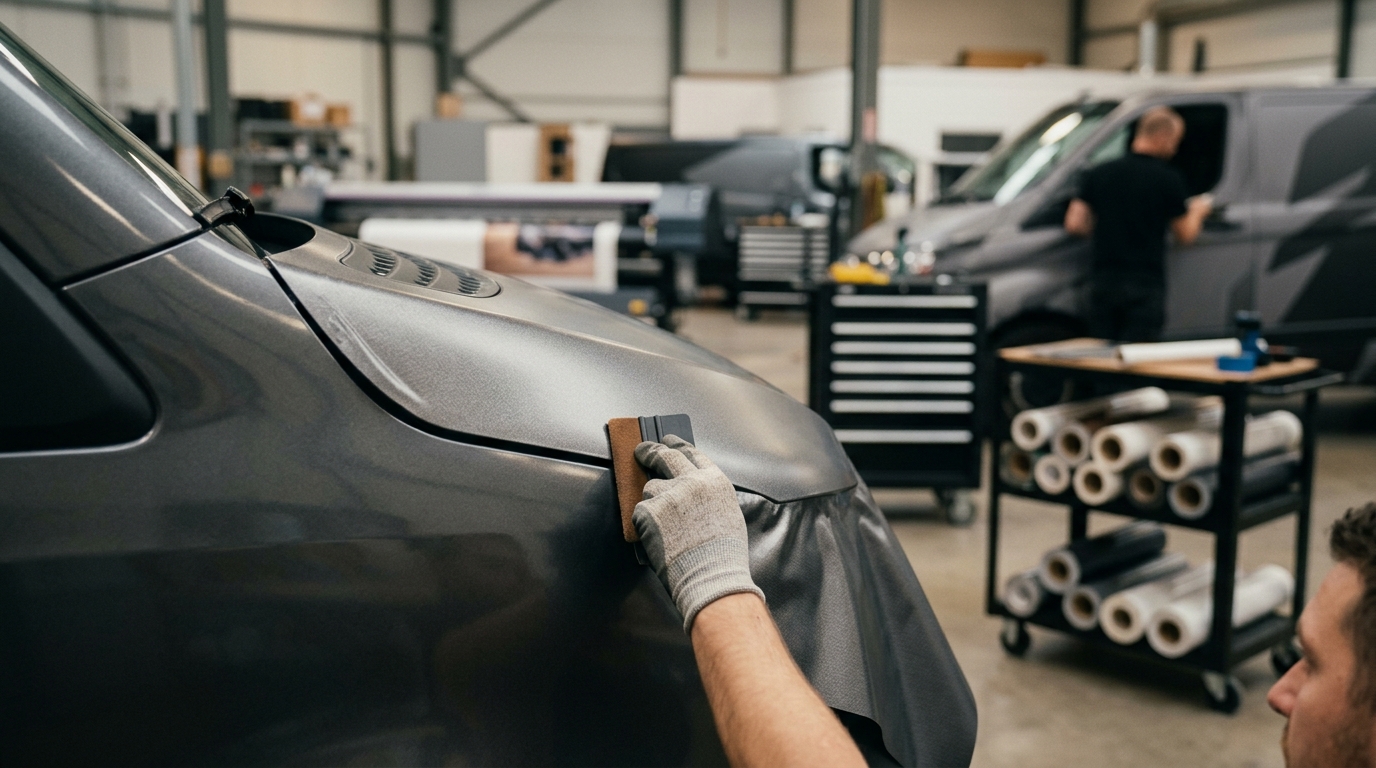
Even the best material will fail if installed incorrectly. The installation process involves precise cutting, heating, and stretching of the vinyl to fit the vehicle's contours. Professional installers use specialized tools and techniques to ensure a bubble-free, seamless finish.
Preparation and Surface Cleaning
Proper surface preparation is the first step in a successful installation. The vehicle must be thoroughly cleaned and decontaminated to remove any dirt, wax, or grease. According to installation guidelines from leading vinyl manufacturers, improper surface preparation is the leading cause of wrap failure. This includes peeling, bubbling, and adhesion loss. A professional installer will perform a detailed inspection before beginning the application.
Post-Installation Care
After installation, proper care is essential to extend the life of the wrap. This includes regular washing with mild soap and water, avoiding high-pressure washes on edges, and parking in shaded areas when possible. According to maintenance guidelines for vehicle graphics, regular cleaning can extend the lifespan of a wrap by up to two years. Educating your drivers on proper care is a small investment that yields significant long-term benefits.
Key Takeaways
- Cast Vinyl is Essential: Always choose cast vinyl for commercial vehicles to ensure durability and conformability to complex curves.
- Lifespan Matters: High-quality commercial wraps last 5 to 7 years, providing a lower cost-per-impression than cheaper alternatives.
- UV Resistance is Critical: Premium materials include UV inhibitors to prevent fading and maintain brand color integrity.
- Consistency Across Fleets: A nationwide installer network ensures uniform quality and color matching for all vehicles.
- Professional Installation: Certified installers prevent common issues like bubbling and edge lifting through proper surface preparation.
- Specialty Finishes: Matte and chrome finishes offer unique branding opportunities but require more careful maintenance.
- Brand Recognition: Consistent color and quality across your fleet significantly enhance brand recognition and trust.
Frequently Asked Questions
What is the difference between cast and calendered vinyl?
Cast vinyl is poured onto a casting line, resulting in a uniform, stable material ideal for long-term vehicle wraps. Calendered vinyl is mechanically stretched, making it prone to shrinking and wrinkling, and is best suited for flat, short-term applications.
How long does a commercial vehicle wrap last?
A high-quality commercial vehicle wrap typically lasts between 5 to 7 years. The actual lifespan depends on the material quality, environmental conditions, and maintenance practices.
Can I wash my wrapped vehicle in an automatic car wash?
It is recommended to avoid automatic car washes with stiff bristles, as they can damage the edges of the wrap. Hand washing or touchless car washes are safer options for maintaining the integrity of the vinyl.
How do I choose the right finish for my brand?
Consider your brand's image and the vehicle's use case. Gloss finishes offer high visibility and are easier to maintain, while matte finishes provide a premium, non-reflective look that requires more careful cleaning.
Does 360 Wraps offer nationwide installation?
Yes, 360 Wraps has a network of over 3,000 certified installers across all 50 states, ensuring consistent quality and brand color matching for fleets nationwide.
What is the cost of a commercial vehicle wrap?
The cost varies based on vehicle size, material choice, and design complexity. However, the cost-per-impression of a wrap is often lower than traditional advertising methods due to its high visibility and longevity.
Can a wrap damage my vehicle's paint?
No, a properly installed and removed commercial vehicle wrap will not damage the underlying paint. High-quality adhesives are designed to bond securely during the wrap's life but release cleanly upon removal.
Get Your Fleet Wrapped
Choosing the right material is the first step toward a successful commercial vehicle wrap strategy. With the right vinyl, professional installation, and consistent brand management, your fleet can become a powerful mobile advertising asset. 360 Wraps has been defining the vehicle wrap industry since 2007, combining design, production, and installation under one roof to deliver seamless results. Contact us today to get a quote and start transforming your fleet into a moving brand experience.