Critical Standards for Achieving Seamless Vehicle Wrap Installation
Vehicle graphics have evolved from simple advertising decals into high-precision brand assets that demand exacting standards. According to industry data, a professionally installed vehicle wrap can generate between 7,000 and 70,000 impressions per day, depending on fleet routing and urban density. This massive exposure means that any flaw in the installation process is magnified across millions of views. Achieving a seamless finish is not merely an aesthetic preference; it is a critical operational requirement for brand integrity and long-term durability. The difference between a mediocre wrap and a premium installation lies in the rigorous adherence to specific technical standards during the design, production, and installation phases. (Contact Us 360 Wraps)
Design Precision and Color Management
The foundation of a seamless vehicle wrap is laid long before the vinyl touches the paint. Design precision ensures that the graphic aligns perfectly with the vehicle's body lines, avoiding awkward cuts or misaligned logos. A critical component of this phase is color management. Color management is the systematic process of ensuring that the colors displayed on a digital screen match the final printed output on the vehicle surface. Without this calibration, brand colors can shift significantly, leading to a disjointed appearance across a fleet. (About Us 360 Wraps)
For businesses managing large fleets, consistency is paramount. Our system, developed over a decade, keeps brand colors and body placement accurate on every vehicle. This discipline extends to the digital proofing stage, where clients review production-ready layouts. Approving these proofs with confidence prevents costly errors during the print phase. When designers align goals with fleet specifications, they create a blueprint that guarantees the final result looks intentional and professional. (Services 360 Wraps)
Furthermore, the complexity of modern vehicle curves requires advanced design software to map graphics accurately. Flat designs often fail to account for the three-dimensional nature of car bodies. By utilizing 3D mapping tools, designers can anticipate how the vinyl will stretch and conform to curves. This proactive approach minimizes the risk of visible seams or gaps during installation. The result is a graphic that appears to be part of the vehicle's original design rather than an added layer. (360 Wraps Seamless Wraps)
Material Selection and Durability Standards
Not all vinyl is created equal. The choice of material directly impacts the longevity, appearance, and removability of the wrap. High-quality vehicle wraps utilize premium cast vinyl, which is more conformable and durable than calendered vinyl. Cast vinyl is engineered to stretch and recover, allowing it to conform to complex curves and recessed panels without lifting or bubbling. This material standard is essential for achieving a seamless look on modern vehicles with intricate body lines.
Durability is another critical factor. A professional-grade wrap should withstand UV exposure, weather extremes, and frequent washing without fading or cracking. Industry standards typically require wraps to last between five and seven years when maintained properly. This lifespan ensures a strong return on investment for businesses relying on vehicle advertising. Choosing inferior materials may reduce upfront costs but leads to premature failure and brand damage.
Additionally, the adhesive quality of the vinyl plays a crucial role in installation success. The adhesive must be strong enough to hold the wrap securely but weak enough to allow for clean removal without damaging the underlying paint. This balance is achieved through advanced adhesive technology that resists aging and environmental stress. When selecting materials, it is vital to partner with a provider that sources from reputable manufacturers and maintains strict quality control over their inventory.
Surface Preparation and Environmental Controls
Surface preparation is the most overlooked yet critical step in the installation process. A seamless wrap requires a perfectly clean and smooth substrate. Any dirt, grease, or wax left on the paint will prevent the adhesive from bonding correctly, leading to premature failure. The standard protocol involves a thorough wash, followed by a chemical decontamination process to remove embedded pollutants. This ensures that the surface is chemically inert and ready for adhesion.
Environmental controls during installation also contribute to the final quality. Installers work in climate-controlled bays to maintain optimal temperature and humidity levels. Vinyl behaves differently at various temperatures; it becomes more pliable when warm and stiffer when cold. Working within a controlled environment allows installers to manage the vinyl's behavior precisely, ensuring consistent stretching and adhesion. This level of control is difficult to achieve in outdoor or unregulated settings.
Another aspect of surface preparation is the inspection of the vehicle's paint condition. Deep scratches, rust, or peeling paint can telegraph through the wrap, ruining the seamless appearance. Installers must address these issues before applying the vinyl. In some cases, minor paint correction or priming may be necessary. This attention to detail ensures that the final result is not only visually appealing but also structurally sound. The goal is to create a uniform surface that allows the vinyl to lay flat and adhere evenly.
Installation Technique and Edge Sealing
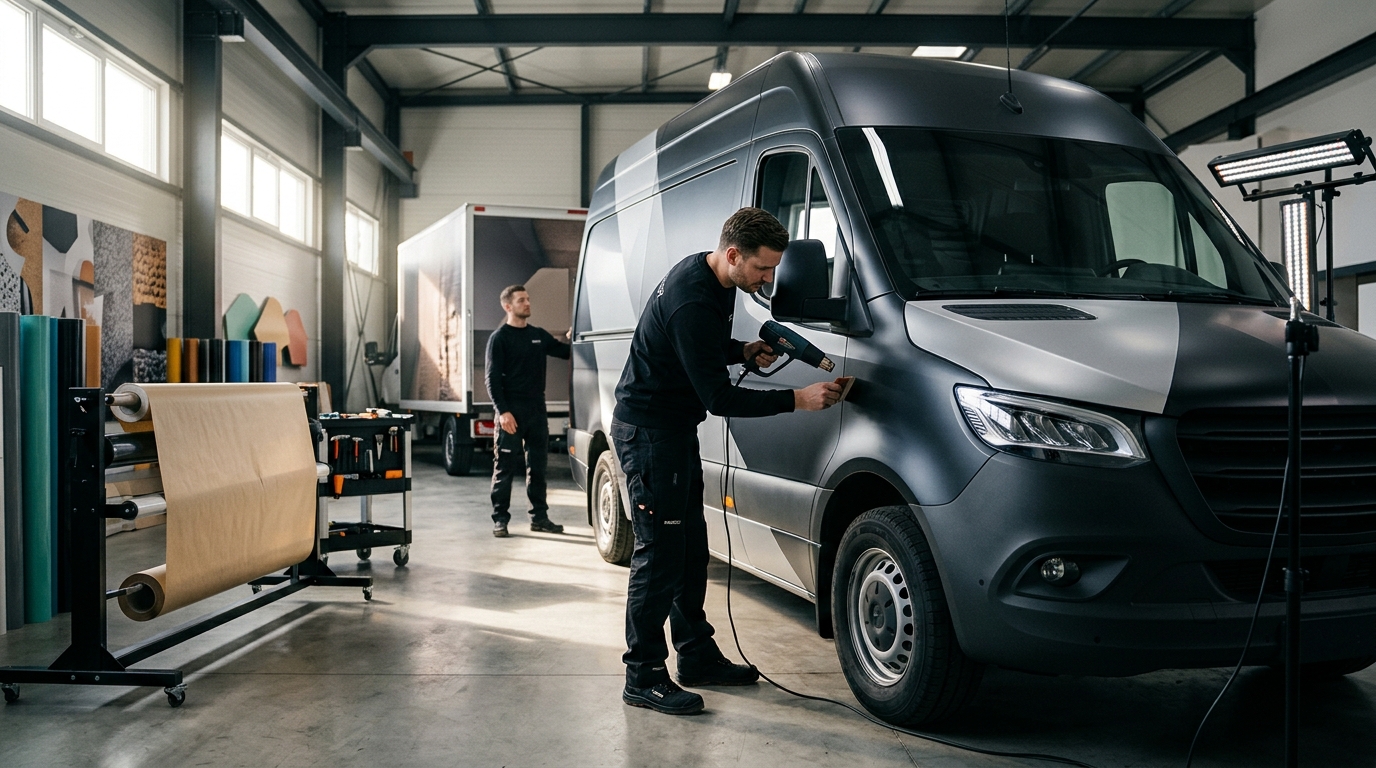
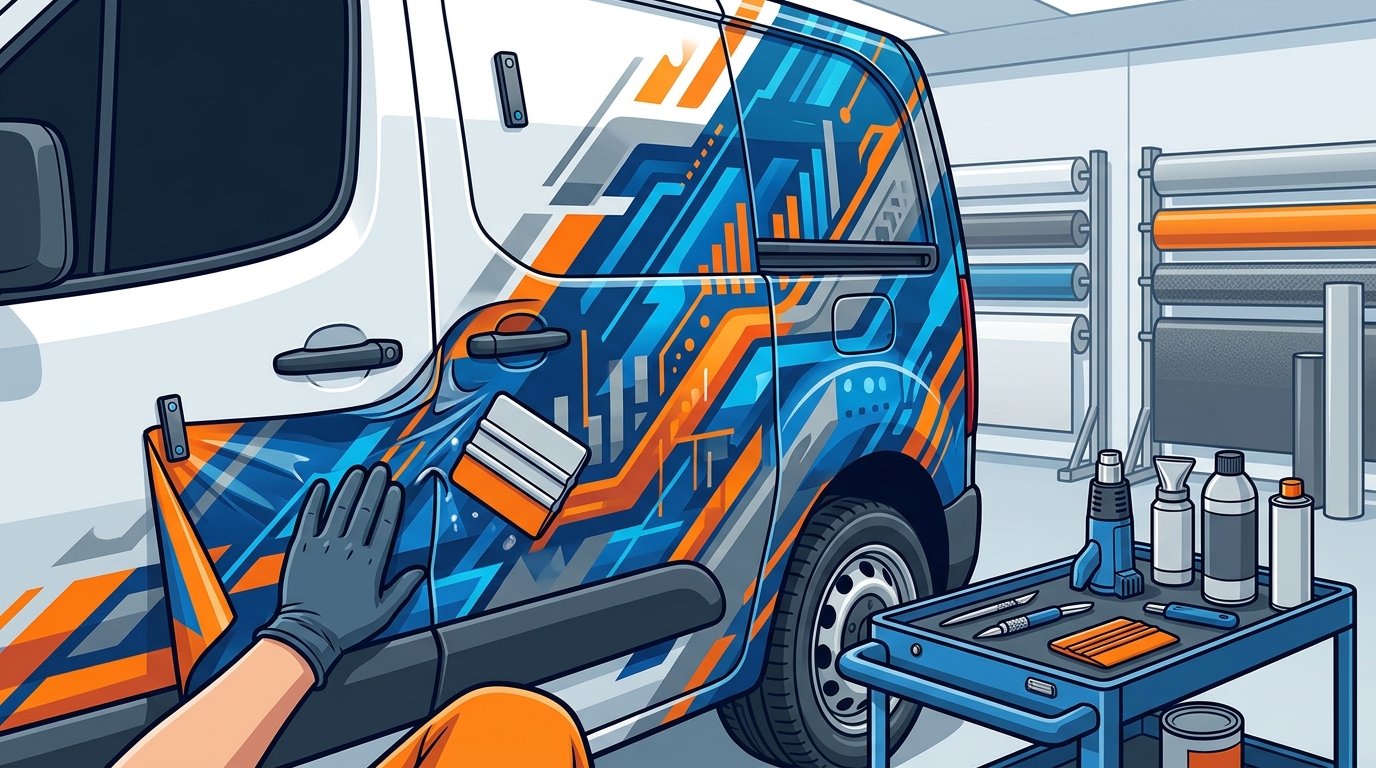
The installation process itself requires a high degree of skill and precision. Certified installers use specialized tools, such as heat guns and squeegees, to manipulate the vinyl. Heat is applied to stretch the vinyl over curves and recesses, while squeegees are used to remove air bubbles and ensure firm adhesion. The technique involves a "tack and stretch" method, where the vinyl is temporarily adhered and then carefully stretched into place. This method allows for adjustments and ensures that the graphic aligns perfectly with the vehicle's contours.
Edge sealing is a critical step in achieving a seamless finish. The edges of the wrap must be firmly adhered to prevent lifting and dirt accumulation. Installers use specialized edge sealers or heat to activate the adhesive along the borders. This process creates a watertight seal that protects the underlying paint from moisture and debris. Proper edge sealing also contributes to the visual continuity of the wrap, making the edges less noticeable and more integrated with the vehicle's design.
Alignment is another key aspect of installation technique. Graphics must be centered and aligned with the vehicle's body lines to create a balanced and professional look. Installers use measuring tools and reference points to ensure accuracy. Misalignment can make a wrap look amateurish and detract from the brand's image. By adhering to strict alignment standards, installers ensure that every vehicle in a fleet looks uniform and cohesive. This consistency is vital for maintaining brand integrity across multiple vehicles.
Quality Control and Post-Install Protocols
Quality control is the final safeguard against installation errors. A rigorous inspection process is conducted after the wrap is installed to identify and rectify any issues. This includes checking for air bubbles, wrinkles, misalignments, and edge adhesion. Any defects are addressed immediately to ensure the wrap meets the highest standards. This step is crucial for maintaining the company's reputation for quality and reliability.
Post-install protocols also include client education. Clients are provided with detailed care instructions to ensure the longevity of their wrap. This includes guidelines on washing, parking, and avoiding certain chemicals. Proper maintenance can significantly extend the life of the wrap and keep it looking new for years. By educating clients on best practices, installers help them protect their investment and maintain the seamless appearance of the graphic.
Furthermore, documentation of the installation process is essential for quality assurance. Photos and notes are taken to record the condition of the vehicle before and after installation. This documentation serves as a reference for any future claims or issues. It also provides valuable data for continuous improvement in the installation process. By analyzing this data, companies can identify common pitfalls and refine their techniques to deliver even better results.
Key Takeaways
- Design Precision: Accurate 3D mapping and color management are essential for seamless alignment and brand consistency.
- Premium Materials: Cast vinyl offers superior conformability and durability compared to calendered alternatives.
- Surface Prep: Chemical decontamination and paint inspection are critical for proper adhesion and finish.
- Environmental Control: Climate-controlled bays ensure consistent vinyl behavior during installation.
- Edge Sealing: Proper sealing prevents lifting and ensures a watertight, invisible finish.
- Quality Assurance: Rigorous post-install inspection and client education protect the investment.
- Industry Standards: Professional wraps typically last 5-7 years with proper maintenance and care.
Frequently Asked Questions
What is the difference between cast and calendered vinyl?
Cast vinyl is made by pouring a liquid PVC mixture onto a coated drum, resulting in a thinner, more conformable material ideal for complex curves. Calendered vinyl is stretched and rolled, making it thicker and less flexible, which is better for flat surfaces.
How long does a vehicle wrap typically last?
A professionally installed vehicle wrap using high-quality materials typically lasts between five and seven years, depending on environmental conditions and maintenance practices.
Can a vehicle wrap damage the original paint?
No, when installed correctly and removed within the recommended timeframe, a vehicle wrap protects the original paint and does not cause damage. The adhesive is designed to be strong yet removable.
Why is color management important in vehicle wrapping?
Color management ensures that the colors on the wrap match the brand's specifications exactly, preventing shifts in hue or saturation that can occur during the printing process.
What is the process for preparing a vehicle for wrapping?
The process involves a thorough wash, chemical decontamination to remove pollutants, and a final wipe-down with a prep solution to ensure a clean, grease-free surface for adhesion.
How do installers handle complex vehicle curves?
Installers use heat guns to soften the vinyl, making it more pliable, and specialized squeegees to stretch and conform the material to the curves without leaving wrinkles or bubbles.
What maintenance is required for a vehicle wrap?
Maintenance includes regular washing with mild soap, avoiding high-pressure washes on edges, and parking in shaded areas when possible to protect the vinyl from UV exposure.
Start Your Seamless Wrap Project
Achieving a seamless vehicle wrap installation requires a commitment to precision, quality materials, and expert craftsmanship. At 360 Wraps, we combine design, production, and install under one roof to ensure every project meets the highest standards. Our team of certified installers and design experts is ready to help you create a wrap that not only looks great but also stands the test of time. Whether you are looking for a single vehicle color change or nationwide fleet branding, we have the expertise to deliver exceptional results. Get a Quote today to start your journey toward flawless vehicle graphics.