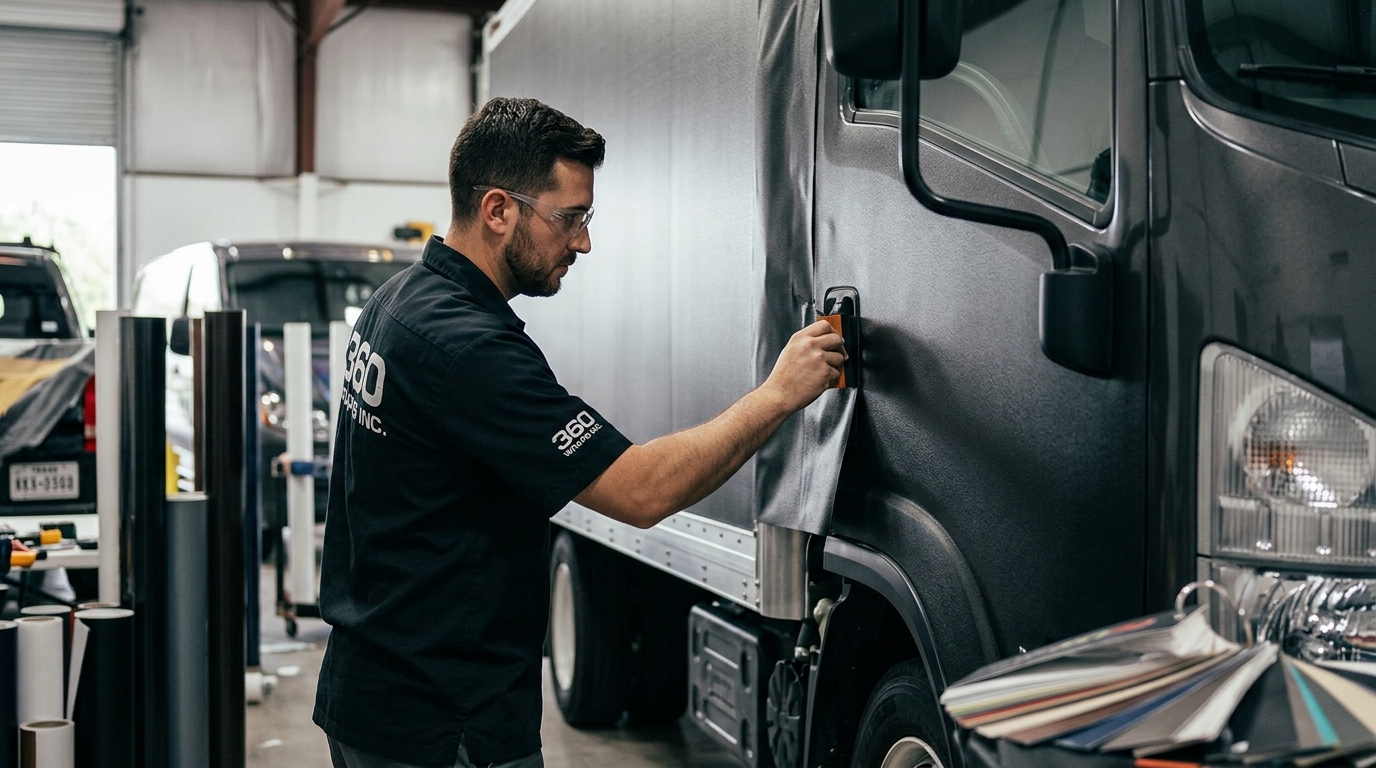
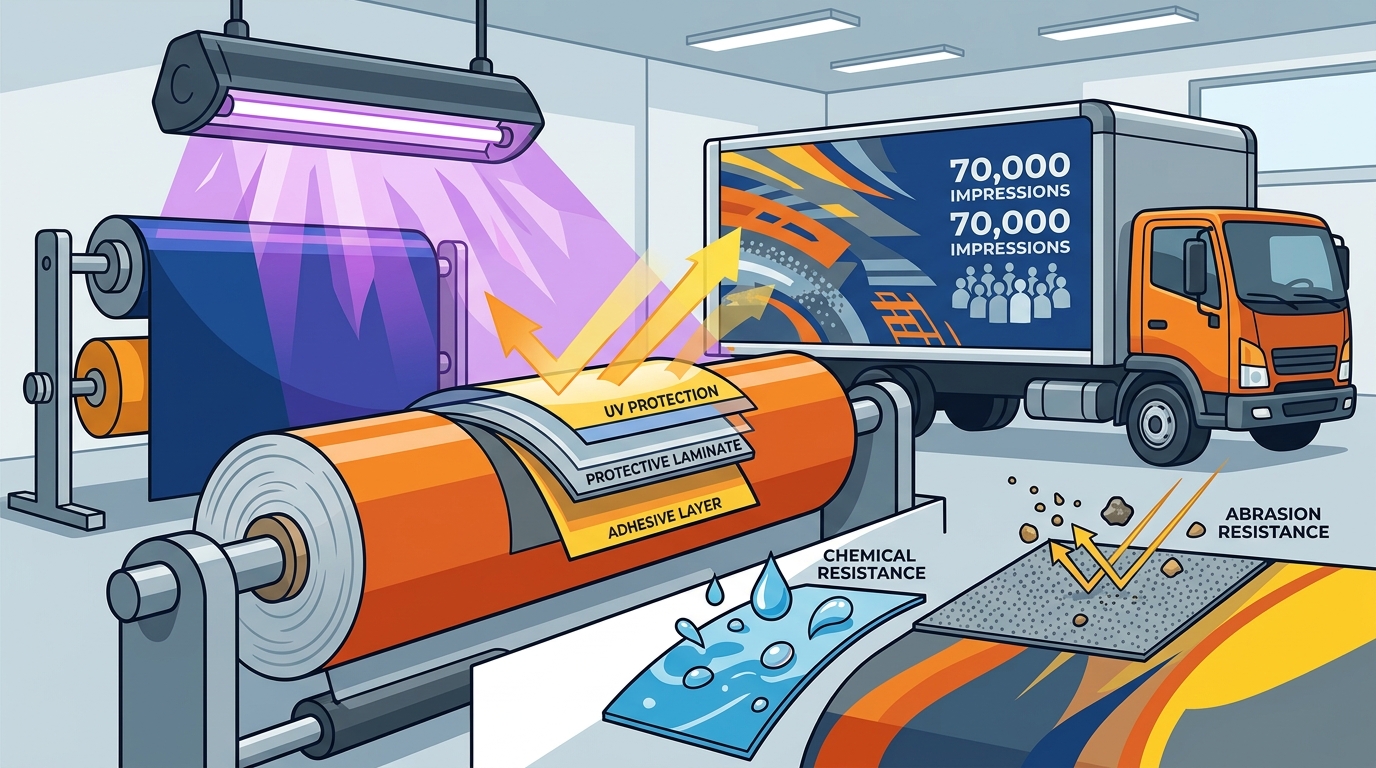
Commercial vehicle wraps are not merely aesthetic upgrades; they are high-performance mobile billboards that must withstand extreme environmental stress. According to industry data, a well-executed vehicle wrap can generate between 7,000 and 70,000 impressions per day depending on fleet movement. This massive exposure demands materials that resist UV degradation, chemical exposure, and physical abrasion. Selecting the correct vinyl substrate is the single most critical decision in ensuring your fleet branding delivers a strong return on investment over its intended lifespan. (Contact Us 360 Wraps)
Understanding Vinyl Substrate Types
The foundation of any successful vehicle wrap lies in the vinyl compound itself. Not all vinyl is created equal, and the difference between a budget roll and a premium cast vinyl is often the difference between a wrap that lasts three years and one that lasts seven. For commercial fleets, longevity is paramount because frequent re-wrapping incurs significant labor and downtime costs. (About Us 360 Wraps)
Cast Vinyl: The Industry Standard
Cast vinyl is the preferred material for professional vehicle wrapping. It is manufactured by pouring a liquid PVC compound onto a casting line, resulting in a film with exceptional conformability and memory. This means the vinyl can stretch over complex curves and rivets without shrinking back to its original shape. Cast vinyl is defined as a premium, thin, and highly conformable film ideal for long-term vehicle applications. Brands like 3M and Avery Dennison dominate this space with products designed to withstand years of sun exposure without fading or cracking.
Calendered Vinyl: The Budget Alternative
Calendered vinyl is produced by rolling a PVC compound between heavy rollers. This process creates a thicker, more rigid film that is less expensive to produce. While suitable for flat surfaces or short-term promotions, calendered vinyl lacks the memory and conformability of cast vinyl. It is prone to shrinking over time, which can lead to edge lifting and visible seams. Calendered vinyl is defined as a cost-effective, thicker film best suited for flat surfaces and short-term graphic applications. For a commercial fleet that needs to maintain a pristine image, this material is rarely the right choice.
Gloss, Matte, and Specialty Finishes
Once the substrate type is determined, the finish dictates the visual impact and maintenance requirements of the wrap. The finish affects how light reflects off the vehicle, influencing brand perception and visibility.
Gloss Finish
Gloss vinyl is the most common choice for commercial fleets. It reflects light, making colors appear vibrant and saturated. This finish is also the easiest to clean, as dirt and grime tend to slide off the smooth surface more easily than textured finishes. For companies prioritizing maximum visibility and brand recognition, gloss remains the gold standard.
Matte and Satin Finishes
Matte and satin finishes offer a sophisticated, modern look that stands out in traffic. They eliminate glare, which can be beneficial for vehicles operating in bright environments. However, these finishes require more meticulous maintenance. Oil from hands or certain cleaning agents can leave permanent stains if not addressed immediately. Matte finish is defined as a non-reflective surface treatment that provides a modern aesthetic but requires specialized care.
Specialty Films
Beyond standard colors, specialty films include chrome, carbon fiber, and textured options. These materials are often used for accent panels or luxury vehicles to create a high-end appearance. While visually striking, they may have different durability profiles and removal characteristics compared to standard gloss or matte films.
Durability and Lifespan Factors
The lifespan of a vehicle wrap is influenced by multiple variables, including material quality, environmental conditions, and maintenance practices. Understanding these factors helps fleet managers set realistic expectations for their branding assets.
Environmental Impact
UV radiation is the primary enemy of vehicle wraps. Prolonged exposure to sunlight causes pigments to fade and adhesives to break down. Vehicles operating in southern states with intense sun exposure may experience faster degradation than those in northern climates. Additionally, extreme temperature fluctuations can cause the vinyl to expand and contract, testing the integrity of the adhesive bond.
Maintenance Protocols
Proper maintenance significantly extends the life of a wrap. Fleet vehicles should be washed regularly to remove contaminants like bird droppings, tree sap, and road salt, which can etch into the vinyl surface. Hand washing is preferred over automatic brush washes, which can abrade the film and cause premature wear. Proper maintenance is defined as the regular cleaning and care routine that preserves the integrity and appearance of the vinyl film.
Surface Compatibility and Curvature
The condition and geometry of the vehicle surface play a crucial role in the success of the wrap. A professional installer must assess the vehicle before selecting the material.
Surface Preparation
The vehicle surface must be clean, dry, and free of wax or grease. Any imperfections in the paint, such as deep scratches or rust, will telegraph through the vinyl. For commercial fleets, this means addressing any body damage before the wrap is applied. A smooth surface ensures a seamless finish and optimal adhesive bonding.
Complex Curves and Rivets
Vehicles with complex curves, sharp edges, and numerous rivets require a highly conformable material. Cast vinyl excels in these scenarios because it can be heated and stretched to fit tight contours without losing its shape. Using a rigid calendered vinyl on a complex vehicle can result in visible seams and poor adhesion around rivets.
Removal and Residue Management
One of the most significant advantages of vehicle wraps over paint is the ability to remove them without damaging the underlying factory finish. However, the ease of removal depends on the material and the age of the installation.
Adhesive Technology
Premium vinyl films use pressure-sensitive adhesives designed to bond securely during the wrap's lifespan but release cleanly upon removal. High-quality adhesives are engineered to leave little to no residue, protecting the vehicle's resale value. Lower-quality adhesives may harden over time, making removal difficult and potentially damaging the paint.
Removal Timeline
It is generally recommended to remove a wrap before it reaches the end of its useful life. Leaving a wrap on beyond its lifespan can lead to adhesive failure and difficult removal. Adhesive technology is defined as the chemical bonding system that secures the vinyl to the vehicle surface while allowing for clean removal. Planning for removal every five to seven years ensures the vehicle remains in top condition.
Cost vs. Value Analysis
Investing in the right material requires balancing upfront costs with long-term value. While calendered vinyl is cheaper initially, the need for more frequent replacement can make it more expensive over time. Cast vinyl, though costlier, offers superior durability and brand consistency.
Total Cost of Ownership
When evaluating wrap costs, consider the total cost of ownership. This includes the initial installation, maintenance, and eventual removal. A high-quality cast vinyl wrap may last twice as long as a budget alternative, effectively halving the annual cost of branding. Additionally, the professional appearance of a high-quality wrap enhances brand credibility and customer trust.
Comparison of Options
| Material Type | Lifespan | Conformability | Best Use Case | Relative Cost |
|---|---|---|---|---|
| Cast Vinyl | 5-7 Years | High | Fleet Branding, Complex Curves | Higher |
| Calendered Vinyl | 2-3 Years | Low | Flat Surfaces, Short-Term | Lower |
| Matte/Satin Finish | 4-6 Years | High | Luxury Aesthetics | Moderate |
| Specialty Films | 3-5 Years | Variable | Accent Panels, Accents | Variable |
For detailed information on our specific material offerings and installation services, visit our Services page.
Key Takeaways
- Prioritize Cast Vinyl: For commercial fleets, cast vinyl is the only viable option for long-term durability and conformability.
- Consider Environmental Factors: UV exposure and climate significantly impact wrap lifespan and maintenance needs.
- Maintain Properly: Regular hand washing and prompt removal of contaminants extend the life of the wrap.
- Plan for Removal: Schedule removal before the adhesive degrades to protect the underlying paint.
- Invest in Quality: Higher initial costs for premium materials result in lower long-term costs and better brand representation.
- Professional Installation: The skill of the installer is as important as the material itself for a flawless finish.
- Brand Consistency: Use color-managed processes to ensure consistency across all fleet vehicles.
Frequently Asked Questions
How long does a commercial vehicle wrap last?
A high-quality cast vinyl wrap typically lasts between five and seven years, depending on environmental conditions and maintenance. Calendered vinyl may last only two to three years.
Can a vehicle wrap damage the factory paint?
No, when installed and removed correctly by professionals, a vehicle wrap protects the factory paint and can be removed without damage. This is a key benefit of using premium vinyl films.
What is the difference between gloss and matte finishes?
Gloss finishes reflect light and are easier to clean, while matte finishes provide a non-reflective, modern look but require more careful maintenance to avoid staining.
Is cast vinyl worth the extra cost?
Yes, for commercial fleets, cast vinyl is worth the investment due to its superior durability, conformability, and longer lifespan, which reduces long-term branding costs.
How do I clean a wrapped vehicle?
Hand wash the vehicle using a mild soap and water solution. Avoid automatic brush washes and high-pressure nozzles directed at the edges. Clean contaminants like bird droppings immediately.
Can I wrap a vehicle with existing damage?
It is not recommended. Wraps will highlight surface imperfections. Any rust, deep scratches, or dents should be repaired before the wrap is applied for a seamless finish.
What is the removal process for a vehicle wrap?
Professional removal involves heating the vinyl to soften the adhesive and carefully peeling it off. This process is typically done by the original installer or a certified professional to ensure no paint damage.
Get Your Fleet Quote
Choosing the right material is the first step toward a successful fleet branding strategy. At 360 Wraps, we combine premium materials with expert installation to deliver wraps that protect your brand and your vehicles. Our team of designers and installers ensures coast-to-coast consistency for your entire fleet. Get a quote today to start your project.