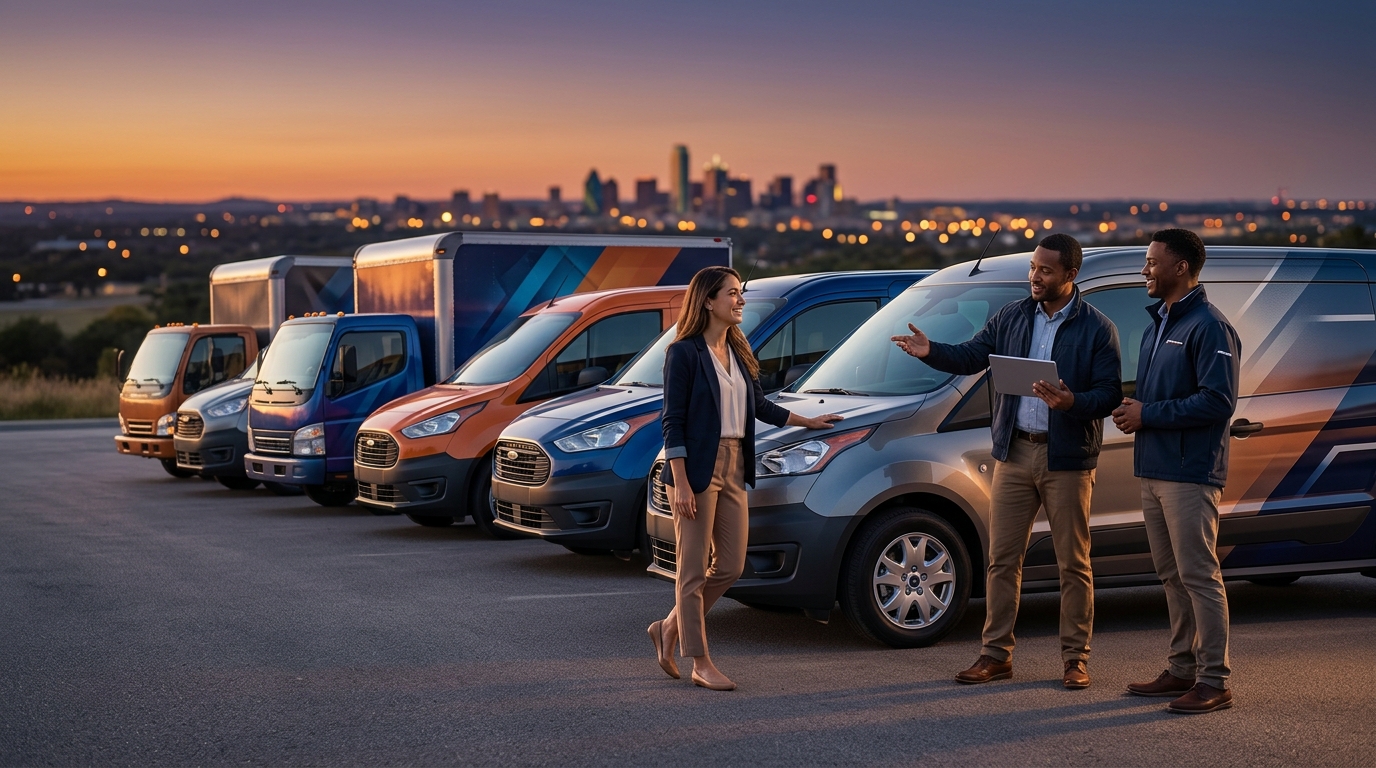
Mobile billboards are no longer a luxury reserved for Fortune 500 companies. According to recent industry data, a fully wrapped vehicle generates an average of 30,000 to 70,000 impressions per month, depending on mileage and urban density. This means that for the cost of a single traditional billboard lease, a business can secure months of localized, high-frequency brand exposure. As we move through 2026, the integration of digital analytics with physical vehicle graphics has transformed fleet advertising from a passive branding exercise into a measurable marketing channel. (Contact Us 360 Wraps)
Why Fleet Advertising Outperforms Digital Ads
In an era where digital ad fatigue is real, physical presence offers a tangible connection to the consumer. Vehicle wraps are not just stickers; they are dynamic billboards that move through targeted demographics. Unlike digital ads, which can be blocked by ad blockers or ignored due to banner blindness, a vehicle wrap commands attention in the physical world. (Services 360 Wraps)
The effectiveness of this medium lies in its longevity and reach. While a digital ad might be scrolled past in milliseconds, a wrapped vehicle is seen repeatedly by the same audience as it commutes through neighborhoods, stops at traffic lights, and parks at local businesses. This repetition builds brand recall in a way that ephemeral digital content cannot match. (360 Wraps Seamless Wraps)
Furthermore, fleet advertising is cost-effective. The cost per thousand impressions (CPM) for vehicle wraps is significantly lower than traditional out-of-home advertising. For small to medium-sized businesses, this provides a competitive edge, allowing them to maintain a high-profile presence without the prohibitive costs of prime real estate billboards.
Design Strategies for Maximum Impact
Designing a vehicle wrap requires a different mindset than designing a website or a brochure. The canvas is curved, the viewing time is short, and the audience is moving. Therefore, clarity and simplicity are paramount.
1. The 7-Second Rule
Drivers have approximately seven seconds to process information before they pass your vehicle. Your design must communicate the core message instantly. This means using large, legible fonts and high-contrast colors. Avoid clutter. If the viewer has to squint or think to understand what your business does, the design has failed.
2. Brand Consistency
Your vehicle wrap should look like it belongs to the same family as your website, social media, and office signage. Consistent use of brand colors, logos, and typography reinforces brand identity. Brand consistency is the foundation of professional vehicle advertising. When every vehicle in your fleet looks uniform, it signals reliability and scale to potential customers.
3. Call to Action (CTA)
Every wrap needs a clear call to action. This could be a website URL, a phone number, or a QR code. Ensure this information is placed where it is easily readable from a safe distance. For example, placing a URL on the rear bumper allows drivers behind you to remember it after they have passed.
Managing Nationwide Fleet Consistency
For businesses with multiple vehicles, maintaining brand consistency across different locations is a significant challenge. This is where a structured approach to fleet branding becomes critical. A decentralized approach often leads to inconsistent colors, misaligned logos, and varying quality, which can damage brand perception.
360 Wraps has developed a system over the last decade to keep brand colors and body placement accurate on every vehicle, whether you have one wrap or a thousand across all 50 states. This system ensures that a customer in Dallas sees the same brand experience as a customer in New York.
Coast-to-Coast Consistency
Managing a nationwide fleet requires a partner who understands the logistics of installation. A centralized design file, combined with a network of certified installers, ensures that every vehicle is wrapped to the exact same specifications. This eliminates the risk of local installers making unauthorized changes to the design or using inferior materials.
Quality Control
Quality control is not just about the final look; it is about the longevity of the wrap. Premium vinyl and color-managed output ensure that the colors remain vibrant and the edges remain clean for years. This is essential for maintaining a professional image over the long term.
Extending Branding to Interior Spaces
While vehicles gain impressions on the road, the culture and branding inside your offices are equally important. The brand experience should be seamless from the street to the boardroom. This is why many forward-thinking companies extend their fleet branding strategy to their physical workspaces.
Transforming bare walls into branded spaces helps reinforce the company's identity to employees and clients alike. Whether it is lobby wraps, conference room graphics, or hallway branding, these elements create an immersive brand environment. This holistic approach to branding ensures that every touchpoint, whether it is a vehicle on the highway or a wall in the office, communicates the same message of professionalism and attention to detail.
Calculating ROI and Impressions
One of the most common questions businesses ask is, "How do I measure the return on investment for vehicle wraps?" While vehicle advertising is often considered a branding tool rather than a direct response channel, there are ways to track its effectiveness.
Tracking Methods
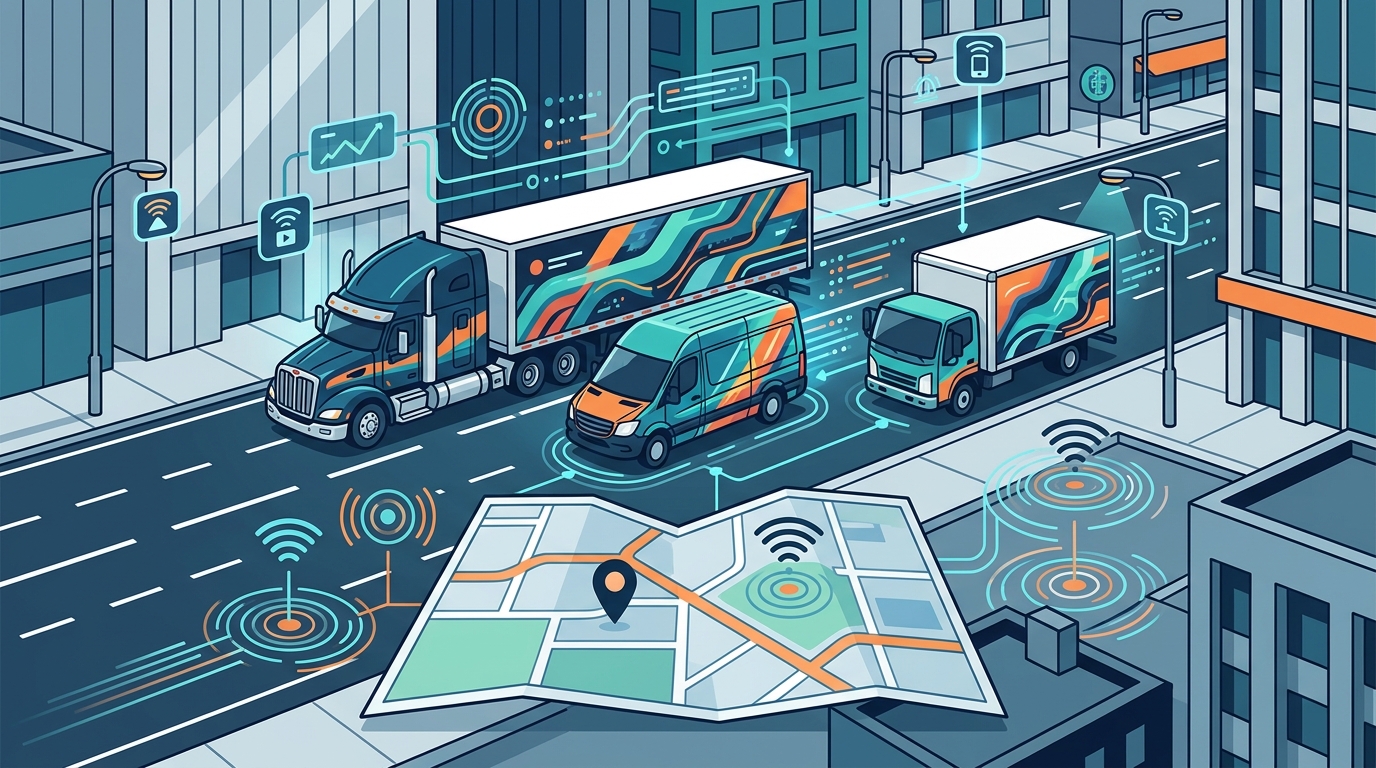
- Unique Phone Numbers: Assign a dedicated phone number to your fleet wraps to track inbound calls.
- Custom URLs: Use a specific landing page URL on the wrap to track website traffic from the fleet.
- QR Codes: Implement QR codes that lead to a specific offer or landing page, allowing for precise click tracking.
Estimating Impressions
While exact numbers vary, industry standards suggest that a vehicle traveling 10,000 miles per year generates approximately 30,000 to 70,000 impressions. If your fleet of 10 vehicles travels this distance, you are generating between 300,000 and 700,000 impressions annually. When compared to the cost of digital advertising, which can range from $2 to $10 per thousand impressions, vehicle wraps offer a highly competitive CPM.
| Advertising Channel | Cost Per Thousand Impressions (CPM) | Longevity | Targeting Capability |
|---|---|---|---|
| Vehicle Wraps | $1 - $5 (Estimated) | 3-5 Years | Geographic & Demographic |
| Billboards | $4 - $15 | Monthly Lease | Geographic |
| Facebook Ads | $5 - $20 | Per Campaign | Highly Specific |
| Google Ads | $10 - $50+ | Per Click | Intent-Based |
Key Takeaways
- High Visibility: A single wrapped vehicle can generate up to 70,000 impressions per month, providing extensive brand exposure.
- Cost Efficiency: Vehicle wraps offer a lower CPM compared to traditional billboards and digital advertising, making them a budget-friendly option for long-term branding.
- Brand Consistency: Using a centralized design and installation network ensures that all vehicles, regardless of location, maintain a uniform brand appearance.
- Local Impact: Fleet advertising is particularly effective for local businesses, as vehicles move through specific neighborhoods and communities.
- Longevity: High-quality vinyl wraps can last 3-5 years, providing sustained advertising value over time.
- Measurable Results: By using unique URLs, phone numbers, or QR codes, businesses can track the direct response from their fleet advertising.
- Holistic Branding: Extending branding to interior office spaces reinforces brand identity and creates a cohesive customer experience.
Frequently Asked Questions
How long does a vehicle wrap last?
A high-quality vehicle wrap, when installed with premium vinyl and maintained properly, can last between 3 to 5 years. This longevity makes it a cost-effective advertising solution compared to shorter-term digital campaigns.
Can I remove the wrap without damaging my paint?
Yes, vehicle wraps are designed to be removable. When removed by professionals, they should not damage the underlying paint, provided the paint was in good condition before application. In fact, the wrap can protect the original paint from UV rays and minor scratches.
How do I track the ROI of my fleet wraps?
You can track ROI by using unique phone numbers, custom URLs, or QR codes on your wraps. Additionally, you can monitor brand recall through customer surveys and measure the increase in local brand awareness over time.
Is vehicle advertising effective for B2B companies?
Absolutely. For B2B companies, fleet vehicles often visit multiple client sites, providing repeated exposure to decision-makers in different locations. This builds trust and brand recognition within the industry.
What is the best material for vehicle wraps?
Cast vinyl is generally considered the best material for vehicle wraps. It conforms well to curved surfaces, offers excellent durability, and provides superior color stability compared to calendered vinyl.
How much does a vehicle wrap cost?
The cost varies depending on the size of the vehicle, the complexity of the design, and the type of vinyl used. Generally, a full vehicle wrap ranges from $2,000 to $5,000, while partial wraps or fleet branding discounts can reduce the per-vehicle cost.
Can I wrap my own vehicle?
While DIY kits are available, professional installation is highly recommended. Improper installation can lead to bubbles, peeling, and misalignment, which can damage your brand's image. Professional installers ensure a smooth, long-lasting finish.
Ready to Transform Your Fleet?
Your fleet is one of your most powerful marketing assets. Don't let it sit idle. Whether you need a single color change or a nationwide fleet branding solution, 360 Wraps is here to help. We combine design, production, and install under one roof, ensuring consistency and quality from concept to reality.
Get a Quote today and start driving your brand forward.