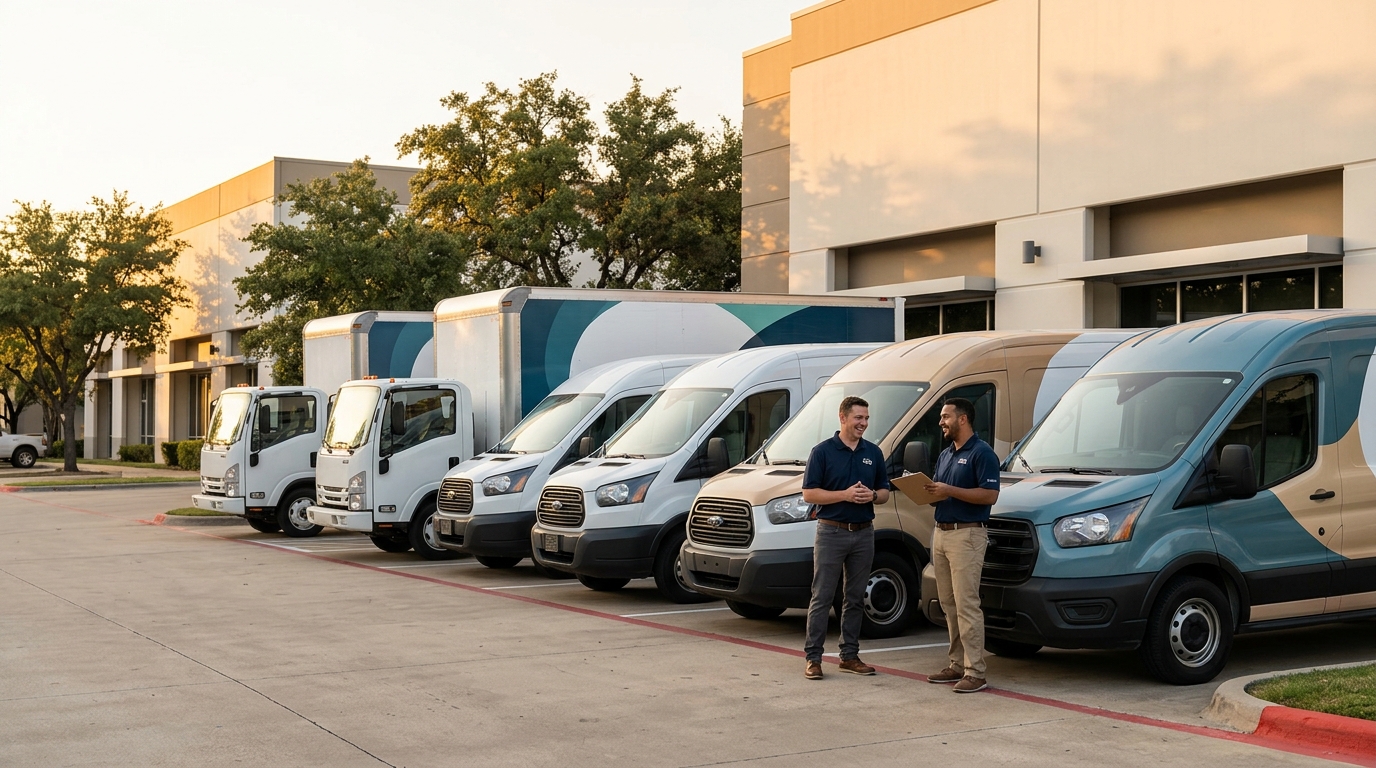
Vehicle wrap advertising delivers an average of 30,000 to 70,000 impressions per vehicle each month, making it one of the most cost-effective marketing channels available for modern businesses. According to the Outdoor Advertising Foundation, this level of visibility outperforms traditional digital ad impressions in terms of local geographic targeting and brand recall. For business owners, the question is not whether to use fleet branding, but how to execute it with maximum impact. (Contact Us 360 Wraps)
Why Fleet Advertising Dominates Modern Marketing
Traditional marketing channels are becoming increasingly expensive and fragmented. Digital ad fatigue is real, and consumers are using ad blockers at unprecedented rates. Fleet vehicle advertising bypasses these digital walls by placing your brand directly in the physical world. A vehicle wrap is not just a sticker; it is a mobile billboard that works 24/7 without recurring media buy costs. (360 Wraps Seamless Wraps)
The effectiveness of this strategy lies in its longevity and reach. While a digital ad disappears after a click, a professionally installed wrap remains visible for years. Furthermore, fleet branding builds trust. When potential customers see your branded vehicles operating in their neighborhood, it signals stability and local presence. This geographic relevance is crucial for service-based businesses aiming to capture local market share.
Vehicle wraps are defined as large-scale vinyl graphics applied to the exterior of a vehicle to display branding, contact information, and promotional messages. They transform ordinary work trucks, vans, and sedans into high-impact marketing assets. The key to success is ensuring that the design is legible from a distance and the installation is flawless.
Design Strategies That Drive Engagement
Designing for a moving canvas requires a different approach than designing for a static webpage. The primary goal is immediate recognition. Drivers have only a few seconds to process the information on your vehicle. Therefore, your design must prioritize clarity over complexity.
Color Psychology and Contrast
Color choice plays a pivotal role in brand perception. High-contrast combinations, such as dark text on a light background or vice versa, ensure readability at highway speeds. According to industry data, vehicles with bold, high-contrast designs are noticed significantly more often than those with muted or low-contrast palettes. Your brand colors should be consistent with your digital and print materials to reinforce brand identity across all touchpoints.
Call to Action (CTA) Placement
A common mistake is omitting a clear call to action. Your vehicle needs to tell the viewer what to do next. This could be a website URL, a phone number, or a QR code. The CTA should be placed prominently on the rear doors or sides where it is most visible to pedestrians and other drivers. Keep the text large and concise. If you are promoting a specific service, highlight it clearly.
Visual Hierarchy
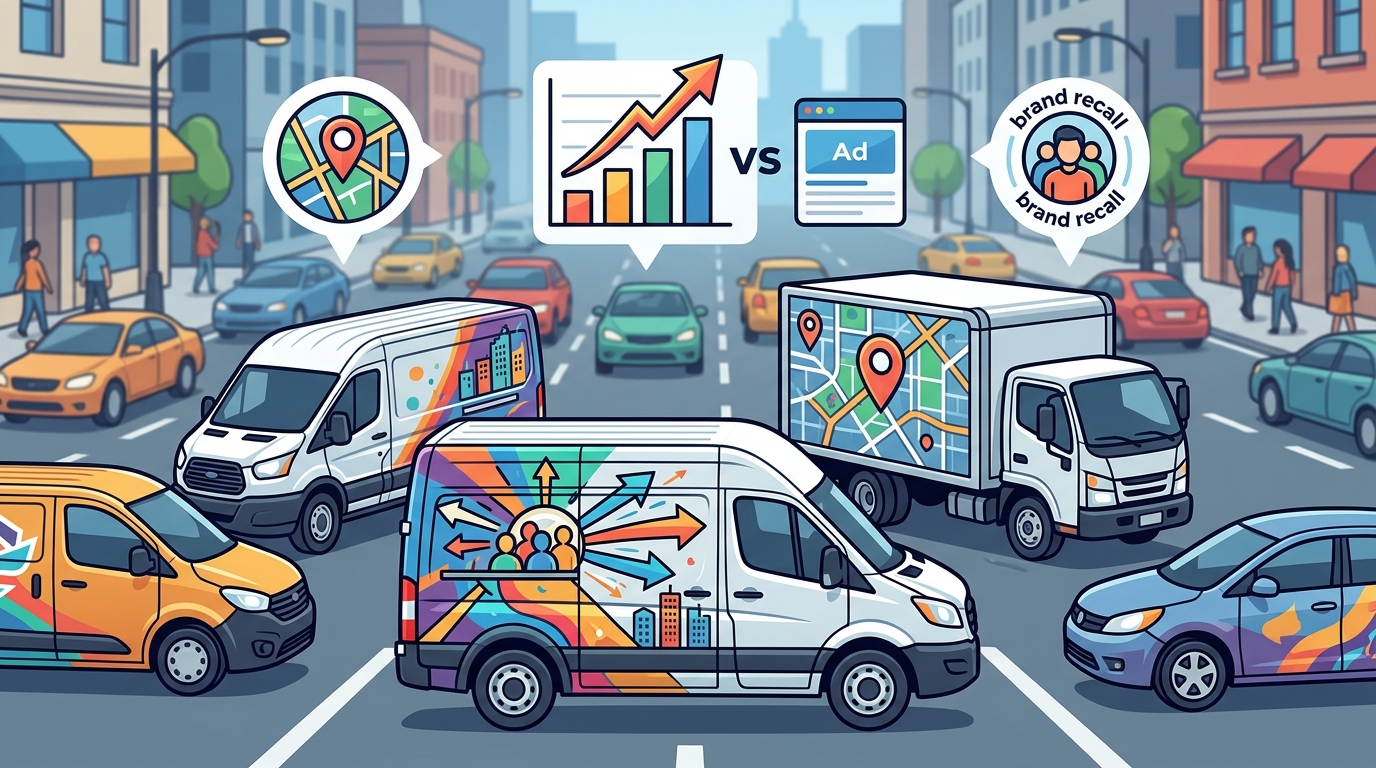
Structure your design so the eye flows naturally from your logo to your value proposition and finally to your contact information. Your logo should be the largest element, followed by the primary service or slogan. Avoid cluttering the surface with too much text. Less is more. A clean, professional design reflects the quality of your business.
Scaling for Nationwide Consistency
For businesses with multiple vehicles, maintaining brand consistency across a dispersed fleet is a significant challenge. Inconsistent branding can dilute your message and confuse customers. This is where a centralized management system becomes essential.
A robust fleet branding strategy involves a single source of truth for all design assets. This ensures that every vehicle, regardless of location, displays the brand accurately. Color management is critical here. Vinyl inks can shift slightly depending on the printer and the vinyl manufacturer. A professional provider uses color-managed workflows to match your brand guidelines precisely.
Nationwide fleet branding requires a network of certified installers who adhere to strict quality control standards. This ensures that the finish is smooth, the edges are clean, and the alignment is perfect. Without this level of coordination, you risk having vehicles that look outdated or poorly maintained, which can damage your brand reputation.
Brand and color management is defined as the systematic process of ensuring that all visual elements of a brand are applied consistently across all media and locations. For fleet vehicles, this means using the exact same hex codes, font weights, and graphic placements on every unit.
Comparing Wrap Types and Materials
Choosing the right type of wrap depends on your budget, vehicle type, and marketing goals. Below is a comparison of the most common options.
| Wrap Type | Best Use Case | Visibility Impact | Cost Efficiency |
|---|---|---|---|
| Full Vehicle Wrap | Maximum brand exposure and color change | Extremely High | High (Long-term ROI) |
| Partial Wrap / Decals | Budget-conscious fleets or rental vehicles | Moderate | Very High (Low upfront cost) |
| Window Perforation | Privacy while maintaining visibility | High (Side visibility) | Moderate |
Full Vehicle Wraps
Full wraps cover the entire vehicle, excluding windows and trim. They offer the highest level of visibility and allow for creative freedom. This option is ideal for businesses that want to make a bold statement. Full wraps also protect the original paint, which can help maintain the vehicle's resale value.
Partial Wraps and Decals
Partial wraps cover specific panels, such as the doors and rear. They are a cost-effective alternative for large fleets where budget is a primary concern. While they offer less coverage, they still provide significant brand exposure. Decals are even more economical but offer the least durability and visual impact.
Key Takeaways
- High ROI: Fleet vehicles generate tens of thousands of impressions monthly at a fraction of the cost of digital ad spend.
- Design Matters: High-contrast colors and clear calls to action are essential for readability at speed.
- Consistency is Key: Use a centralized system to manage brand colors and placement across all vehicles.
- Quality Installation: Professional installation ensures longevity and protects the vehicle's original paint.
- Scalability: A nationwide installer network allows for seamless expansion of your fleet branding.
- Brand Trust: Visible, well-maintained vehicles signal stability and professionalism to potential customers.
- Material Choice: Select the right wrap type based on your budget and desired level of exposure.
Frequently Asked Questions
How long does a vehicle wrap last?
A professionally installed vehicle wrap typically lasts between five and seven years, depending on driving conditions and maintenance. High-quality vinyl resists fading and peeling, ensuring your brand looks fresh for years.
Will a vehicle wrap damage my car's paint?
No, a vehicle wrap protects your original paint. When removed, the vinyl comes off cleanly, leaving the factory finish intact. This can actually increase the resale value of your vehicle by keeping the paint in pristine condition.
Can I wrap my own vehicle?
While DIY kits are available, professional installation is highly recommended. Proper alignment, air bubble removal, and edge sealing require specialized tools and expertise. A poor installation can lead to premature failure and a damaged brand image.
How much does a fleet wrap cost?
Cost varies based on vehicle size, wrap type, and design complexity. Full wraps are more expensive than partial wraps but offer greater visibility. Many providers offer volume discounts for large fleets.
Is fleet advertising effective for small businesses?
Yes, fleet advertising is highly effective for small businesses. It provides local visibility and builds trust in the community. Even a single branded vehicle can generate significant leads in a targeted geographic area.
What is the best material for vehicle wraps?
Cast vinyl is the industry standard for vehicle wraps. It is durable, conformable, and resistant to environmental factors. It allows for intricate designs and long-term performance.
How do I maintain my vehicle wrap?
Regular washing with mild soap and water is sufficient. Avoid high-pressure washers on the edges and do not use abrasive cleaners. Parking in the shade can also help prolong the life of the vinyl.
Start Your Fleet Branding Journey
Transform your fleet into a powerful marketing asset today. Whether you need a single vehicle wrapped or a nationwide fleet branded, 360 Wraps provides the design, production, and installation expertise to make it happen. Visit our quote page to get started, or explore our services to learn more about our capabilities. Join the thousands of satisfied clients who trust 360 Wraps for their branding needs.