Vehicle wraps are widely recognized as one of the most cost-effective advertising channels available, with industry data suggesting that a single vehicle can generate thousands of daily impressions. However, the return on investment for these mobile billboards is entirely dependent on execution quality. Poorly executed wraps do not just fail to attract attention; they actively damage brand credibility and incur significant replacement costs. According to recent fleet management reports, nearly 30% of fleet branding budgets are wasted on subpar installations that fade, peel, or distort brand colors within the first year. This guide outlines the critical errors fleet managers and business owners must avoid to ensure their vehicles remain powerful marketing assets.
Design and Branding Errors
The most common mistake in fleet branding is treating the vehicle as a blank canvas without adhering to strict brand guidelines. A brand guideline is a documented set of standards that defines how a brand's visual identity, including logos, colors, and typography, should be applied across all media.
Ignoring Color Accuracy
Color consistency is the hallmark of professional fleet branding. When a fleet vehicle drives past a potential customer, the logo and color scheme must match the company's website and stationary exactly. Many businesses fail to provide their installers with the correct Pantone or CMYK values, leading to "color drift." This discrepancy can make a brand look amateurish and untrustworthy. To prevent this, always supply your installer with a physical color swatch or a digital proof that has been approved by your marketing team.
Poor Typography and Layout
Another frequent error is overcrowding the vehicle with text. Vehicles move at high speeds, and drivers have only a few seconds to process the information. If the phone number, website, and tagline are too small or cluttered, the message is lost. The solution is to prioritize hierarchy. Place the most critical information, such as the company name and primary service, in the largest font. Keep the design clean, using negative space to guide the eye toward the call to action.
Lack of Vehicle Contour Awareness
Designs that ignore the physical contours of the vehicle often result in distorted logos or text that stretches awkwardly over curves and edges. A professional design process involves mapping the artwork to the specific panels of each vehicle type in the fleet. This ensures that the logo remains intact and readable, even when wrapped around bumpers and door handles. At 360 Wraps, we utilize a color-managed output system that matches your brand system so every panel lands consistent from press to peel.
Material and Vinyl Selection Mistakes
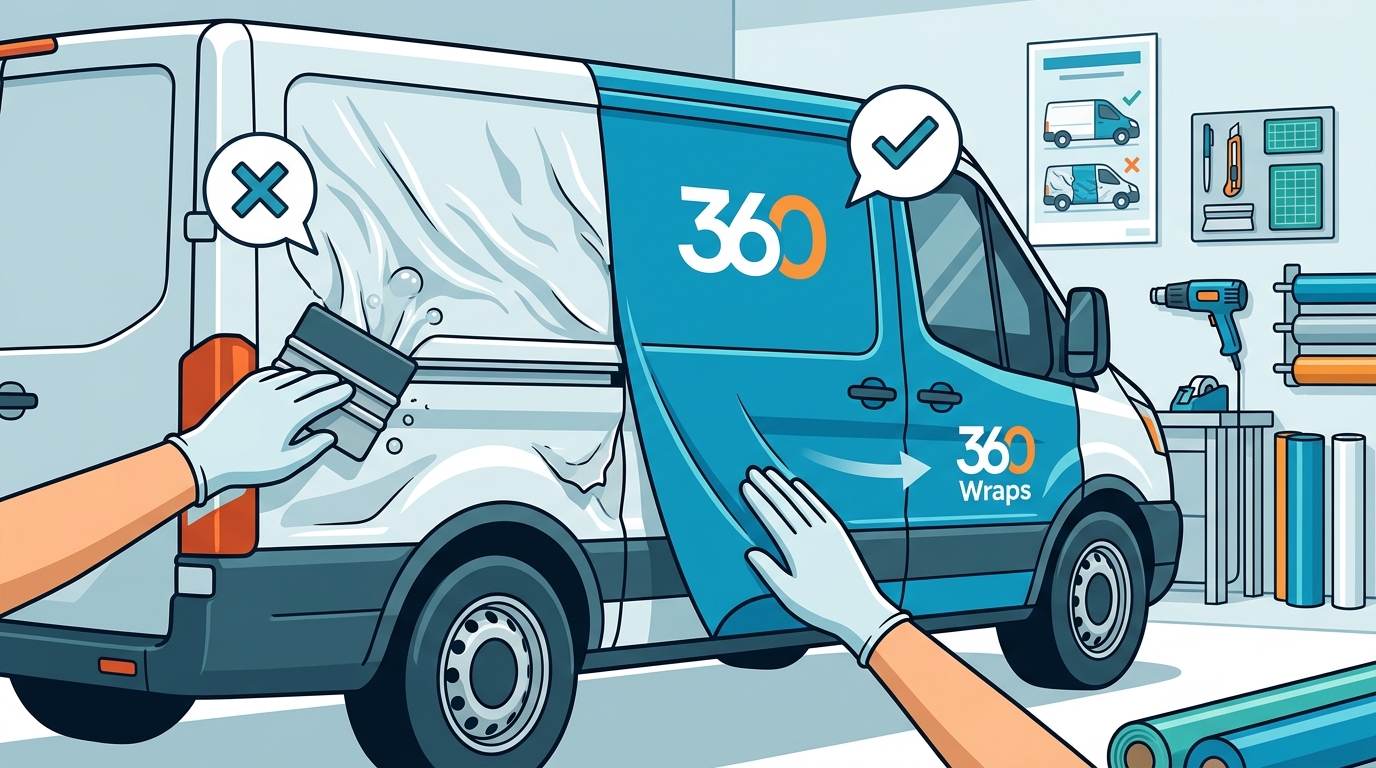
Selecting the wrong vinyl material is a costly error that can lead to premature failure of the wrap. Not all vinyl is created equal, and the choice depends heavily on the vehicle's usage, climate, and desired lifespan.
Using Consumer-Grade Vinyl
Many fleet managers attempt to save money by using lower-grade vinyl that is not designed for long-term outdoor exposure. This material lacks the UV inhibitors and adhesive strength required to withstand sun, rain, and temperature fluctuations. Over time, this vinyl will fade, crack, and leave a sticky residue on the paint when removed. Premium cast vinyl is essential for fleet vehicles because it conforms better to complex curves and offers superior durability. Investing in high-quality materials ensures that the wrap lasts the full term of the vehicle's service life.
Ignoring Climate-Specific Needs
Environmental factors play a significant role in wrap longevity. In regions with intense sun exposure, such as the southern United States, UV resistance is paramount. In colder climates, the adhesive must remain flexible to prevent peeling during temperature drops. A vehicle wrap is a specialized graphic application that uses high-performance vinyl to cover or change the color of a vehicle's exterior. Understanding your local climate helps in selecting the right film type, whether it be a glossy, matte, or satin finish, to ensure the brand looks sharp in all conditions.
Installation and Process Failures
Even the best design and premium vinyl can fail if the installation process is flawed. The installation phase is where the rubber meets the road, literally and figuratively.
Skipping the Pre-Installation Inspection
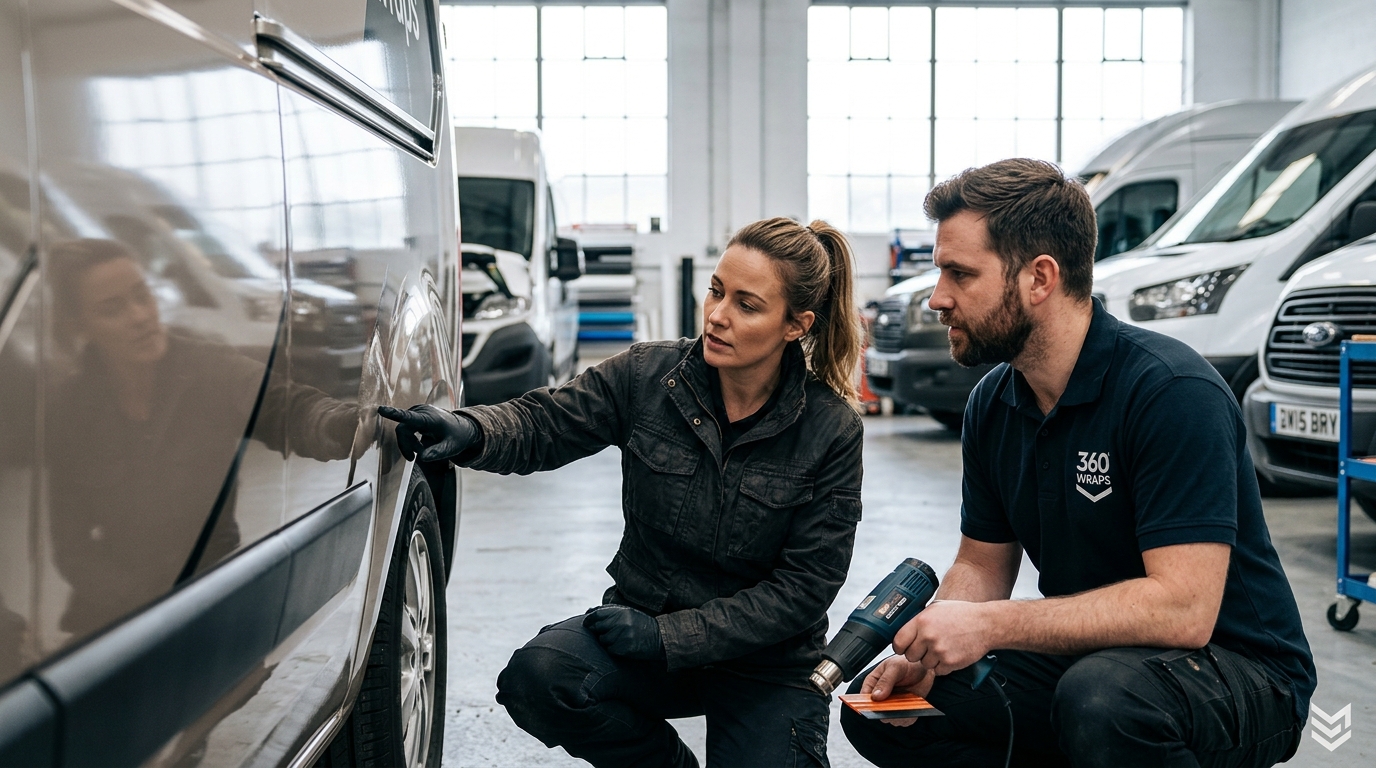
A critical step often overlooked is the pre-installation inspection of the vehicle's paint. If the underlying paint is peeling, rusted, or damaged, the wrap will not adhere properly and may pull the paint off upon removal. Installers must clean and prep the surface thoroughly to ensure a smooth, bubble-free application. This step is vital for protecting the vehicle's original finish and ensuring the wrap looks professional.
Using Untrained Installers
Vehicle wrapping is a skilled trade that requires precision and experience. Using untrained or uncertified installers can result in misaligned graphics, visible seams, and air bubbles. These errors not only look bad but also create entry points for moisture and dirt, leading to early failure. It is crucial to work with a network of certified professionals who understand the nuances of different vehicle types. 360 Wraps boasts over 3,000 certified installers across all 50 states, ensuring that your fleet receives consistent, high-quality service regardless of location.
Ignoring Curing Time
After installation, vinyl needs time to cure and adhere fully to the vehicle's surface. Washing or exposing the vehicle to extreme conditions too soon can compromise the bond. Installers typically recommend waiting 24 to 48 hours before washing the vehicle. Following these post-installation guidelines is essential for maximizing the lifespan of the wrap.
Maintenance and Longevity Issues
Once the wrap is installed, proper maintenance is key to preserving its appearance and protecting the underlying paint. Neglecting maintenance can lead to premature fading, staining, and adhesive failure.
Using Incorrect Cleaning Methods
One of the most common mistakes is using harsh chemicals or abrasive tools to clean wrapped vehicles. Solvents, waxes, and stiff brushes can damage the vinyl surface, causing it to lose its gloss or become cloudy. Instead, use mild soap and water with a soft microfiber cloth. For stubborn stains, a specialized vinyl cleaner is recommended. Regular washing also helps remove contaminants like bird droppings and tree sap, which can etch into the vinyl if left untreated.
Neglecting Edge Sealing
The edges of a wrap are the most vulnerable points. If the edges are not properly sealed or if they begin to lift, dirt and moisture can get underneath, causing the wrap to peel. Regular inspections should be conducted to check for any lifting edges. If detected, a professional installer can re-seal the edges to prevent further damage. This proactive approach extends the life of the wrap and maintains a polished look.
Compliance and Legal Oversights
Businesses often overlook the legal and regulatory requirements associated with fleet wraps. Failing to comply with these regulations can result in fines, forced removal of the wrap, or even vehicle impoundment.
Ignoring Local Regulations
Different jurisdictions have specific rules regarding vehicle graphics, including restrictions on the amount of coverage, color schemes, and placement of logos. For example, some areas require specific disclosures for commercial vehicles or prohibit certain reflective materials. It is the responsibility of the fleet manager to ensure that the wrap design complies with all local, state, and federal regulations. Working with an experienced installer who understands these laws can help avoid costly legal issues.
Missing DOT Numbers and Safety Markings
Commercial vehicles often require Department of Transportation (DOT) numbers and safety markings to be visible and unobstructed. Wrapping these areas without proper cutouts or transparency can violate safety regulations. Always ensure that safety markings, license plates, and lights remain fully visible and compliant with legal standards. This is a critical aspect of fleet branding that cannot be compromised.
Wrap Material Comparison
Choosing the right vinyl material is crucial for the longevity and appearance of your fleet wrap. The table below compares the most common types of vinyl used in the industry.
| Material Type | Lifespan | Best For | Key Benefit |
|---|---|---|---|
| Cast Vinyl | 5-7 years | Fleet vehicles, complex curves | Superior conformability and durability |
| Calendered Vinyl | 3-5 years | Flat surfaces, short-term use | Cost-effective for simple applications |
| Perforated Window Film | 3-5 years | Vehicle windows | One-way visibility for privacy |
| Specialty Films | 4-6 years | Color changes, luxury finishes | Unique textures and effects |
Key Takeaways
- Brand Consistency: Always provide installers with exact Pantone or CMYK values to prevent color drift and maintain brand integrity.
- Premium Materials: Invest in cast vinyl for fleet vehicles to ensure UV resistance and longevity, avoiding the high costs of premature replacement.
- Certified Installers: Utilize a network of certified professionals, such as the 3,000+ installers in the 360 Wraps network, to ensure precise alignment and finish.
- Proper Maintenance: Wash wrapped vehicles with mild soap and microfiber cloths to prevent damage from harsh chemicals and abrasives.
- Legal Compliance: Ensure all DOT numbers, safety markings, and license plates remain visible and compliant with local regulations.
- Design Hierarchy: Prioritize readability by keeping text large and clear, allowing drivers to process the message in seconds.
- Pre-Installation Prep: Inspect and prep the vehicle's paint surface to ensure proper adhesion and protect the original finish.
Frequently Asked Questions
How long does a fleet wrap last?
A high-quality fleet wrap made from premium cast vinyl typically lasts between 5 to 7 years, depending on maintenance and environmental conditions. Regular washing and protection from extreme weather can extend this lifespan.
Can a vehicle wrap damage the original paint?
No, a properly installed and removed vehicle wrap protects the original paint. In fact, it shields the paint from UV rays and minor abrasions. However, if the underlying paint is already damaged or peeling, the wrap may pull it off during removal.
What is the difference between cast and calendered vinyl?
Cast vinyl is made by pouring a liquid resin onto a casting sheet, resulting in a thinner, more durable film that conforms well to curves. Calendered vinyl is stretched and rolled, making it thicker and less flexible, suitable mainly for flat surfaces.
How do I clean a wrapped vehicle?
Use a mild soap and water solution with a soft microfiber cloth. Avoid high-pressure washers directly on the edges and never use abrasive brushes or harsh solvents that can damage the vinyl.
Do you offer nationwide fleet branding?
Yes, we provide coast-to-coast consistency with a network of certified installers across all 50 states. This ensures that your brand looks the same whether you have one wrap or a thousand.
What is the process for getting a fleet quote?
The process starts with a consultation to align on goals, fleet size, and brand standards. We then provide production-ready layouts and proofs for your approval before moving to print and installation.
Can you wrap interior office spaces?
Yes, we extend our branding discipline to workplace graphics, including wall graphics, corporate offices, and conference rooms, transforming bare spaces into branded environments.
Get Your Fleet Wrapped
Don't let common mistakes undermine your fleet branding investment. By choosing the right materials, working with certified installers, and adhering to best practices, you can ensure your vehicles remain powerful marketing assets for years to come. Get a quote today from 360 Wraps and experience the nation's strongest vehicle wrap company. We combine design, production, and install under one roof to deliver seamless results for your fleet.