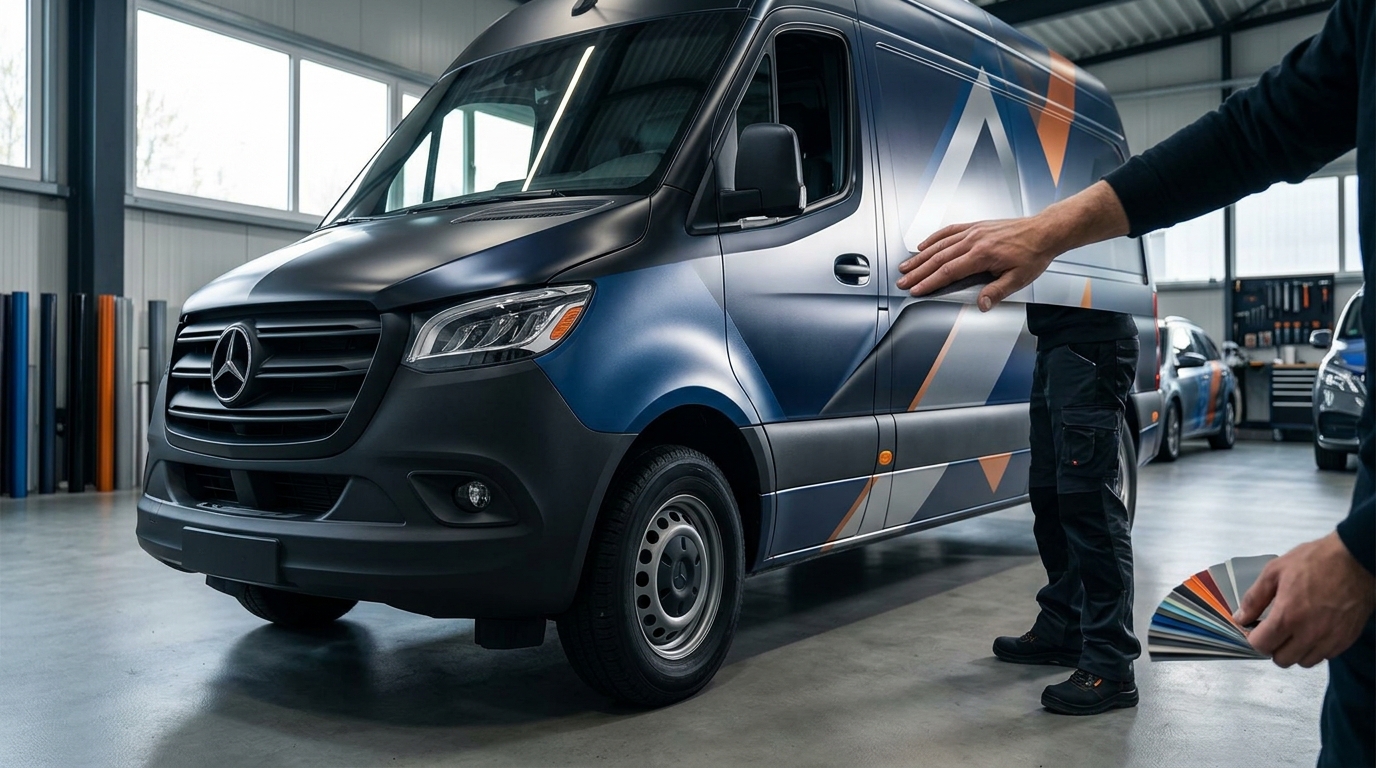
Choosing the right wrap material for your commercial vehicle is one of the most important decisions you will make for your mobile advertising investment. The wrong vinyl can fade, shrink, or peel within months, while the right material keeps your brand looking sharp for years. With hundreds of vinyl types from multiple manufacturers, the selection process can feel overwhelming. This guide breaks down exactly what you need to know so you can pick the perfect material for your fleet or single vehicle, protect your paint, and maximize every marketing dollar you spend.
Cast vs. Calendered Vinyl: The Core Decision
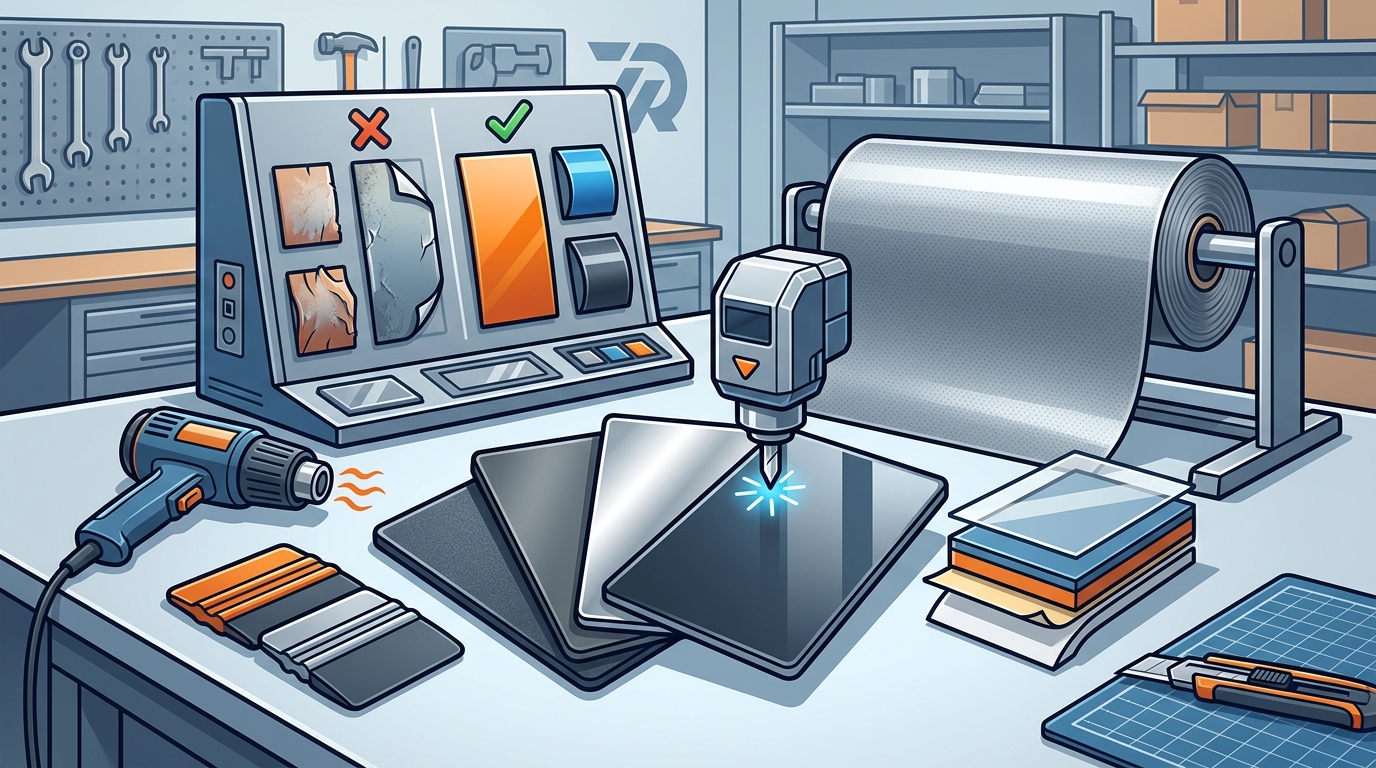
Every commercial vehicle wrap starts with a fundamental choice between two vinyl types. Cast vinyl is a premium film made by pouring liquid polyvinyl chloride (PVC) onto a casting sheet and curing it slowly, producing a thin, flexible material with minimal internal stress. Calendered vinyl is a more affordable film created by rolling heated PVC through a series of pressurized rollers, resulting in a thicker, stiffer sheet.
For full wraps on commercial vehicles with complex curves, cast vinyl is the industry standard. It conforms seamlessly to recesses, rivets, and body lines without wrinkling. Calendered vinyl works best on flat or gently curved surfaces like truck side panels or temporary promotional graphics.
When to Choose Cast Vinyl
Select cast vinyl when your commercial vehicle needs a full wrap that will last multiple years. Its low shrinkage rate and superior UV resistance make it ideal for fleets exposed to daily sun and road conditions. As the team at 360 Wraps vehicle wrap services can attest, there are hundreds of different vinyl types under a handful of manufacturers, all with different warranties that vary by state.
When Calendered Vinyl Makes Sense
Calendered vinyl is a practical choice for short-term campaigns, flat-panel graphics, or budget-conscious projects. If you are running a seasonal promotion on a box truck with large flat sides, calendered film delivers solid results at a lower price point.
Top Vinyl Brands for Commercial Wraps
Two brands dominate the commercial wrap market: 3M and Avery Dennison. Both produce premium cast films engineered specifically for vehicle applications. 360 Wraps uses Avery wrap film and laminate, with the manufacturer estimating durability of up to 5 years on vertical surfaces.
The 3M 2080 series features Controltac and Comply adhesive technologies with air-release channels, and is rated for up to 8 years of outdoor use. Avery Dennison's Supreme Wrapping Film (SW900) uses Easy Apply RS adhesive for repositionable, bubble-free installation and comes in over 120 colors and finishes. Other reputable brands include Oracal (ORAFOL), Hexis, and Arlon.
Why Texas Heat and Climate Matter
Climate is a critical factor in material selection, and this is especially true in Texas. Intense UV exposure and summer temperatures exceeding 100 degrees Fahrenheit accelerate vinyl degradation. Calendered vinyl is particularly vulnerable because its manufacturing process introduces internal tension that causes shrinking when exposed to sustained heat.
Cast vinyl with strong UV stabilizers and polymeric plasticizers handles the Texas climate far better. When you work with a Dallas/Fort Worth wrap specialist like 360 Wraps, the team factors in your vehicle's geographic exposure to recommend materials that will hold up in harsh conditions.
Choosing the Right Finish for Your Brand
The finish you choose affects both brand perception and practical performance. Here are the most common options for commercial wraps:
- Gloss: Delivers a deep, paint-like shine that maximizes color vibrancy and visibility.
- Matte: Creates a smooth, non-reflective surface for a modern, upscale look.
- Satin: Satin finish is a hybrid option that balances soft sheen with understated elegance.
- Metallic: Adds depth and visual interest, ideal for brands that want to stand out.
Your brand colors, vehicle type, and intended audience should guide this decision. The 360 Wraps gallery showcases a wide range of finish examples on real commercial vehicles.
Durability and Cost Comparison
Understanding the trade-offs between material types helps you budget effectively. Here is a comparison of the key specifications:
| Feature | Cast Vinyl | Calendered Vinyl |
|---|---|---|
| Typical Lifespan | 5 to 7 years | 3 to 5 years |
| Thickness | 2.5 to 3.5 mil | 3 to 6 mil |
| Conformability | Excellent (complex curves) | Limited (flat/gentle curves) |
| Shrinkage | Minimal | Moderate to high |
| UV Resistance | Superior | Moderate |
| Relative Cost | Higher | Lower |
| Best Use Case | Full wraps, fleets, long-term branding | Flat panels, short-term promotions |
While cast vinyl costs more per roll, its longer lifespan and lower maintenance needs often make it more cost-effective over time for commercial fleets.
Working with a Professional Wrap Installer
Material quality only tells half the story. Professional installation is equally important for longevity and appearance. Inexperienced installers can damage your vehicle's paint during application, and that damage may not be visible until the wrap is removed years later.
360 Wraps Inc., founded in 2007 in the heart of Dallas/Fort Worth, brings over 100 years of combined vehicle advertising experience on staff. The company serves thousands of nationwide and local customers, from small businesses to major global companies. Their decade-refined system ensures brand consistency whether you are wrapping one vehicle or a thousand across all 50 states. Read client reviews to see the results firsthand.
Key Takeaways
- Cast vinyl is the preferred material for full commercial vehicle wraps due to its conformability, UV resistance, and 5 to 7 year lifespan.
- Calendered vinyl is best suited for flat surfaces, temporary graphics, and budget-sensitive projects.
- 3M 2080 and Avery Dennison SW900 are the two most trusted cast vinyl product lines in the industry.
- Texas heat accelerates vinyl degradation, making premium cast film with UV stabilizers essential.
- The finish you select (gloss, matte, satin, metallic) directly impacts brand visibility and perception.
- Professional installation by experienced technicians protects your paint and ensures long-term wrap performance.
- Always ask your wrap provider which specific vinyl brand, product line, and warranty they offer before committing.
Frequently Asked Questions
What is the best vinyl material for a commercial vehicle wrap?
Cast vinyl from brands like 3M (2080 series) or Avery Dennison (SW900) is the best choice for commercial wraps. It conforms to complex curves, resists UV fading, and lasts 5 to 7 years with proper care.
How long does a commercial vehicle wrap last in Texas?
A high-quality cast vinyl wrap typically lasts 3 to 5 years in Texas, depending on sun exposure, parking habits, and maintenance. Vehicles garaged overnight and washed regularly can see longer life from their wraps.
Is calendered vinyl good enough for fleet graphics?
Calendered vinyl works for flat-panel fleet graphics and short-term campaigns lasting 1 to 3 years. For full wraps or vehicles with complex body lines, cast vinyl provides a far better result.
Does a vehicle wrap damage the original paint?
No. The paint under a wrap is protected from UV rays, weather exposure, and minor scratches. However, choosing an experienced installer is critical because inexperienced technicians can inadvertently cut into paint during application.
What is the difference between 3M and Avery Dennison wrap vinyl?
Both are premium cast vinyl brands. 3M 2080 offers more specialty textures and is rated for up to 8 years outdoors. Avery Dennison SW900 is praised for easier installation and a deep gloss finish. Many professional shops use both depending on the project.
How much does a commercial vehicle wrap cost?
Costs vary widely based on vehicle size, material choice, and design complexity. A full wrap on a standard pickup truck can range from $3,000 to $6,500 including materials and professional installation. Contact 360 Wraps for a custom quote based on your fleet needs.
Can I wrap just part of my commercial vehicle?
Yes. Partial wraps, also called half wraps, cover specific panels and are a cost-effective way to display branding. 360 Wraps offers full wraps, half wraps, fleet wraps, and wall wraps to meet diverse business needs.
How do I maintain a vehicle wrap to make it last longer?
Wash with gentle soap and a soft cloth regularly. Avoid automatic car washes with abrasive brushes. Remove bird droppings and tree sap promptly. Park in shade or a garage when possible, and consider ceramic coating for additional UV protection.
Get Expert Help Choosing Your Wrap Material
Selecting the right material does not have to be complicated when you work with experienced professionals. 360 Wraps Inc. has been helping Texas businesses and nationwide fleets choose the perfect vinyl since 2007. Whether you need a single truck wrapped or a fleet of 1,000 vehicles branded consistently, the team is ready to guide you from design through installation. Contact 360 Wraps today to discuss your project and get a free consultation.