Essential Performance Standards for Fleet Wrap Materials and Installation
Vehicle wraps have evolved from simple advertising decals into sophisticated mobile billboards that require rigorous engineering standards. According to industry data, a professionally installed fleet wrap can generate between 30,000 and 70,000 impressions per day, making the durability of the material and the precision of the installation critical to protecting your brand's reputation. When a fleet vehicle operates in harsh weather conditions or high-mileage environments, the difference between a premium finish and a premature failure lies in the specific performance standards applied during the design, printing, and installation phases. (Contact Us 360 Wraps)
Material Specifications and Durability
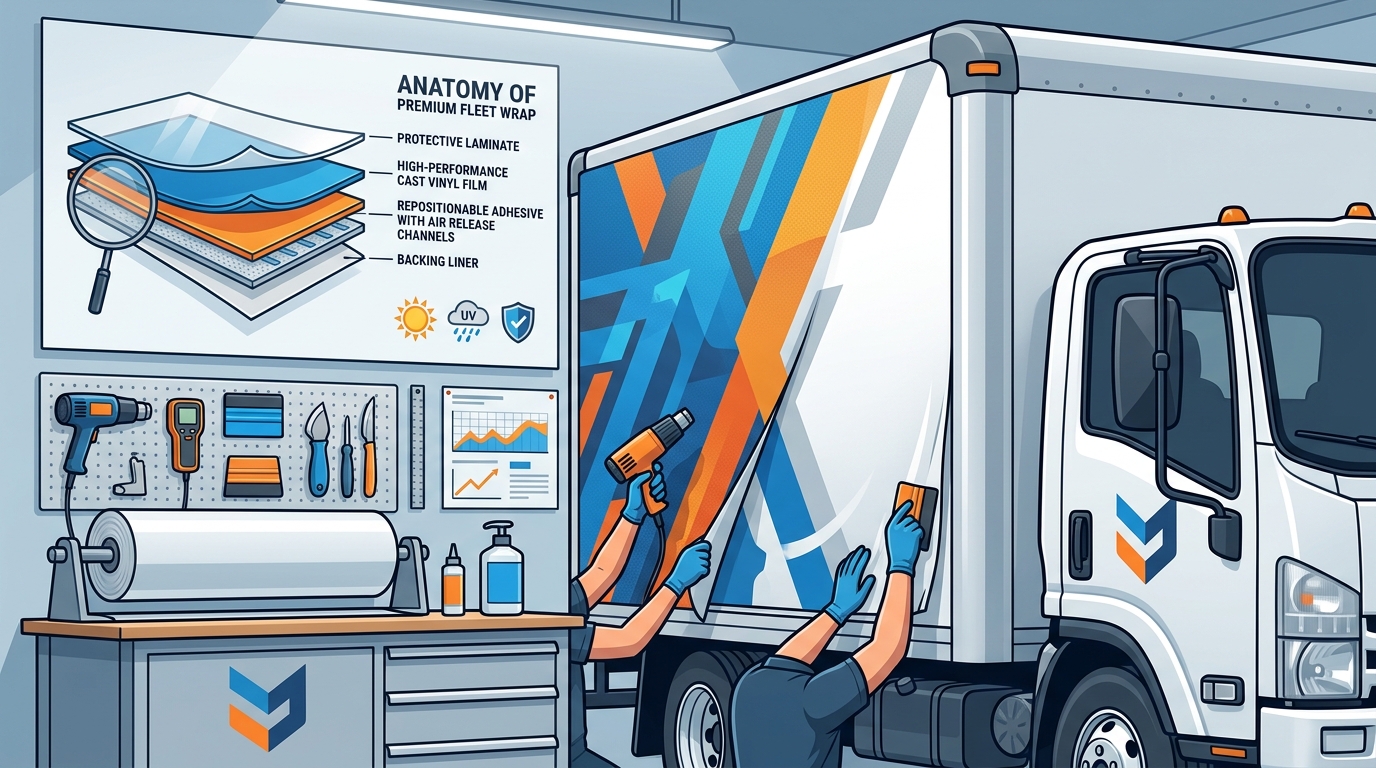
The foundation of any successful fleet branding initiative is the vinyl substrate itself. Not all vinyl is created equal, and fleet operators must demand materials that meet specific performance benchmarks. A vehicle wrap is not merely a sticker; it is a complex laminate system designed to withstand UV radiation, thermal expansion, and chemical exposure. (About Us 360 Wraps)
UV Resistance and Fade Prevention
One of the primary failure points in low-quality wraps is color fading. High-performance cast vinyl, such as the premium materials used by industry leaders, is engineered with UV inhibitors that prevent the ink from breaking down under direct sunlight. According to research on automotive paint and vinyl degradation, exposure to ultraviolet light can cause significant color shift within 18 to 24 months if the material lacks proper stabilization. Fleet managers should insist on materials that offer a minimum of seven to ten years of outdoor durability to ensure consistent brand representation over the vehicle's lifecycle. (Services 360 Wraps)
Adhesive Performance and Residue
The adhesive layer is equally critical. A standard fleet wrap must adhere firmly to curved surfaces and complex body panels without lifting at the edges. More importantly, the adhesive must be designed for clean removal. Low-grade adhesives can leave behind stubborn residue or, worse, damage the underlying factory paint when the wrap is eventually removed. Industry standards dictate that high-quality fleet vinyl should be removable for up to five years without harming the original finish, preserving the asset value of the vehicle. (360 Wraps Seamless Wraps)
Cast vs. Calendered Vinyl
For fleet applications, cast vinyl is the mandatory standard. Unlike calendered vinyl, which is rigid and prone to shrinking over time, cast vinyl is manufactured by pouring liquid PVC between rollers, resulting in a film that conforms to complex curves and recesses without shrinking. This material property ensures that the wrap remains taut and smooth, preventing the "orange peel" effect that plagues cheaper alternatives. The structural integrity of cast vinyl allows it to expand and contract with the vehicle's body panels during temperature fluctuations, maintaining a seamless appearance.
Installation Protocols and Surface Prep
Even the most expensive vinyl will fail if installed incorrectly. The installation process is where theoretical design meets physical reality, requiring certified professionals who understand the nuances of automotive surfaces.
Surface Decontamination
Proper surface preparation is the non-negotiable first step in the installation workflow. Before any vinyl touches the vehicle, the surface must be thoroughly decontaminated. This involves washing the vehicle with a pH-neutral soap, followed by a clay bar treatment to remove embedded contaminants like tar, tree sap, and industrial fallout. According to automotive detailing standards, any microscopic particle left on the surface will be encapsulated under the vinyl, creating a visible defect that cannot be removed without stripping the wrap.
Panel Alignment and Stretching
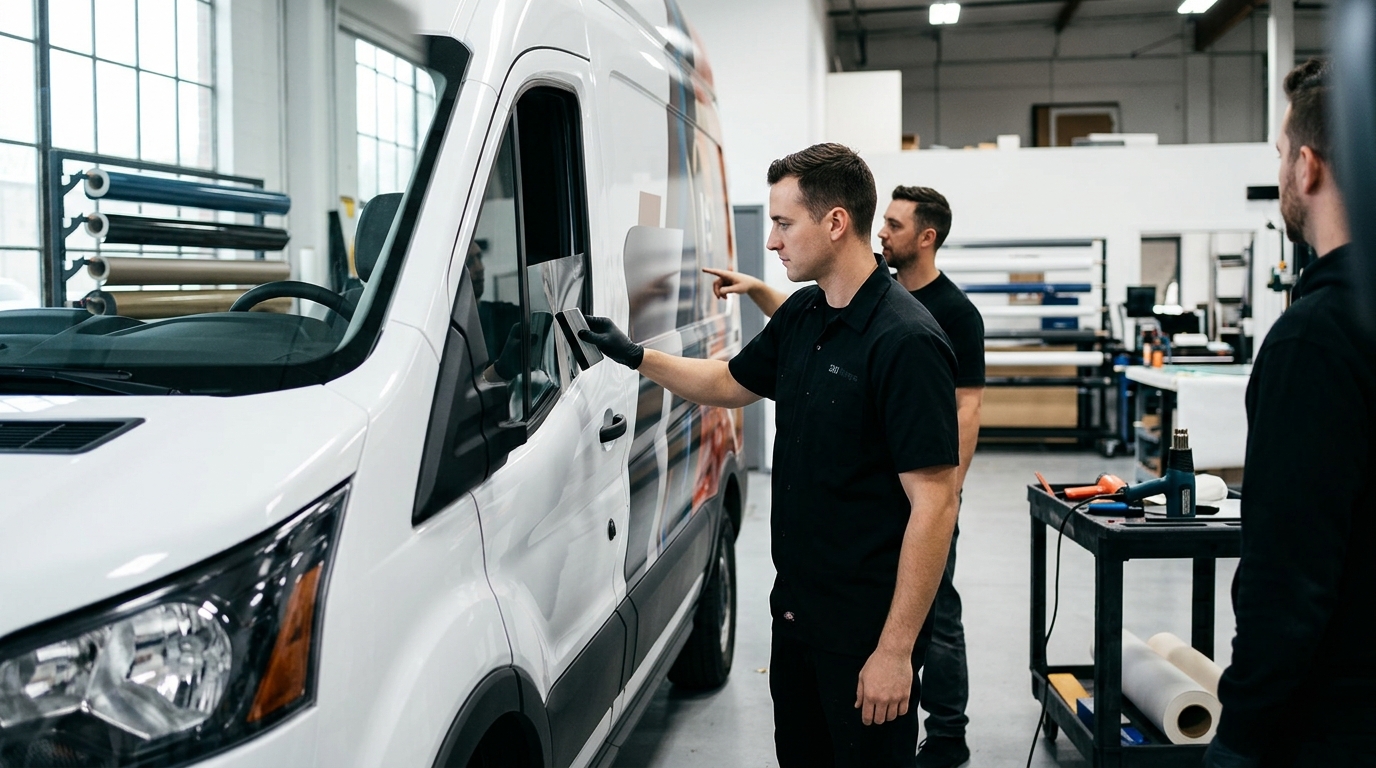
Certified installers use specialized tools and techniques to ensure precise panel alignment. This includes measuring from reference points on the vehicle body to ensure that logos and text are perfectly horizontal and centered. Installers must also manage the "memory" of the vinyl, using heat guns to gently stretch the material over curves and then allowing it to contract back into place. This process requires a deep understanding of material physics to avoid over-stretching, which can lead to thinning and eventual tearing.
Quality Control Checkpoints
A professional installation includes multiple quality control checkpoints. These include inspecting edges for proper adhesion, checking for air bubbles or wrinkles, and ensuring that the wrap does not interfere with vehicle functionality, such as door handles, locks, or sensors. The final inspection should be conducted under natural light to identify any subtle imperfections that might be missed under artificial lighting.
Color Management and Brand Consistency
For fleet branding, color accuracy is paramount. A mismatched color can undermine brand credibility and create a disjointed visual identity across the fleet. This is where color management systems come into play.
Spot Color Matching
High-end fleet wrap services utilize spectrophotometers to match brand colors with extreme precision. This technology measures the exact light reflectance of a brand's logo or color swatch and translates it into a custom ink mix. This ensures that the wrap color matches the brand's marketing materials, business cards, and digital assets perfectly. Without this level of precision, a fleet's visual identity can appear washed out or incorrect, especially under different lighting conditions.
Consistency Across Multiple Vehicles
One of the greatest challenges in fleet branding is maintaining consistency across dozens or hundreds of vehicles. Variations in paint color, age, and condition can affect how the wrap looks on each vehicle. To mitigate this, professional installers use a standardized color management workflow that accounts for the underlying paint color. This often involves applying a primer or base layer to create a uniform surface before applying the final graphic. This discipline ensures that every vehicle in the fleet looks identical, regardless of its individual history.
Indoor and Outdoor Branding Integration
The same principles of color consistency apply to indoor branding. Whether it is wall graphics in a corporate office or signage in a service center, the materials and colors must align with the vehicle wraps. This creates a cohesive brand experience that extends from the road to the workplace. The discipline required for coast-to-coast consistency on vehicles is equally important for interior branding, ensuring that the brand message is reinforced at every touchpoint.
Maintenance Standards for Longevity
Once installed, the fleet wrap requires specific maintenance protocols to maximize its lifespan. Improper cleaning can damage the vinyl surface, leading to premature fading or peeling.
Washing Guidelines
Fleet vehicles should be washed regularly to remove dirt, bird droppings, and tree sap, which can etch into the vinyl if left untreated. Hand washing is preferred over automatic car washes, particularly those with stiff bristles. According to automotive care guidelines, automatic brush washes can cause micro-scratches and lift the edges of the wrap over time. If a touchless automatic wash is used, it must be free of harsh wax additives that can leave a residue on the vinyl.
Protection and Care
Applying a vinyl-safe sealant or ceramic coating can provide an additional layer of protection against UV rays and environmental contaminants. These products are designed to be compatible with vinyl surfaces and can enhance the gloss and durability of the wrap. Fleet managers should establish a maintenance schedule that includes regular inspections for any signs of wear, such as lifting edges or fading, and address these issues promptly to prevent further damage.
Repair and Replacement
In the event of damage, such as a stone chip or a tear, it is often possible to repair the wrap rather than replacing the entire vehicle graphic. Professional installers can patch small areas seamlessly, restoring the visual integrity of the vehicle. However, for extensive damage, replacing the wrap may be more cost-effective. Having a clear protocol for repair and replacement ensures that the fleet maintains a professional appearance at all times.
Wrap Material Comparison
Understanding the differences between various wrap materials is essential for making an informed decision. The table below outlines the key characteristics of common vinyl types used in fleet branding.
| Material Type | Durability | Conformability | Best Use Case | Removal Ease |
|---|---|---|---|---|
| Premium Cast Vinyl | 7-10 Years | Excellent | Complex curves, long-term fleet branding | Easy (up to 5 years) |
| Standard Cast Vinyl | 5-7 Years | Good | Medium-term branding, budget-conscious fleets | Moderate |
| Calendered Vinyl | 3-5 Years | Fair | Flat surfaces, short-term promotions | Difficult (may leave residue) |
| Perforated Window Film | 5-7 Years | Good | Vehicle windows, one-way vision | Easy |
Key Takeaways
- Premium Materials are Mandatory: Fleet operators must use cast vinyl to ensure durability and conformability on complex vehicle shapes.
- Color Accuracy is Critical: Spectrophotometer-based color matching ensures brand consistency across the entire fleet.
- Surface Prep is Non-Negotiable: Proper decontamination and cleaning are essential for long-term adhesion and finish quality.
- Certified Installers Matter: Only certified professionals should handle installation to avoid common pitfalls like shrinking and lifting.
- Maintenance Extends Lifespan: Regular hand washing and protection from harsh chemicals can extend the life of the wrap by years.
- Brand Consistency Applies Indoors: Interior branding should follow the same color and quality standards as vehicle wraps.
- ROI is Driven by Impressions: A high-quality wrap generates tens of thousands of impressions daily, making durability a direct financial factor.
Frequently Asked Questions
How long does a fleet wrap last?
A high-quality fleet wrap installed with premium cast vinyl typically lasts between seven and ten years. The actual lifespan depends on environmental conditions, maintenance practices, and the quality of the underlying paint.
Can a vehicle wrap damage the factory paint?
When installed and removed correctly by certified professionals, a vehicle wrap will not damage the factory paint. In fact, it can protect the paint from UV rays and minor abrasions. However, low-quality vinyl or improper removal can cause residue or paint damage.
Why is cast vinyl better than calendered vinyl for fleets?
Cast vinyl is superior because it is more durable, conforms better to complex curves, and does not shrink over time. Calendered vinyl is rigid and prone to shrinking, which can lead to gaps and peeling, making it unsuitable for long-term fleet use.
How do you maintain color consistency across a large fleet?
Color consistency is maintained through the use of spectrophotometers for precise color matching and standardized installation protocols. This ensures that every vehicle in the fleet has the exact same color, regardless of the underlying paint condition.
What is the best way to clean a wrapped vehicle?
The best way to clean a wrapped vehicle is by hand washing with a pH-neutral soap and a soft microfiber cloth. Avoid automatic car washes with stiff bristles and harsh chemicals that can damage the vinyl surface.
Can you wrap a vehicle with existing damage?
It is not recommended to wrap a vehicle with existing damage, such as deep scratches or rust. The wrap will highlight these imperfections and may not adhere properly. Surface repairs should be made before installation.
How does 360 Wraps ensure quality?
360 Wraps ensures quality through a rigorous process that includes design proofing, color-managed printing, and installation by certified professionals. Their system, developed over a decade, keeps brand colors and body placement accurate on every vehicle.
Get Your Fleet Quote
Ready to elevate your fleet's brand presence with industry-leading performance standards? 360 Wraps combines design, production, and installation under one roof to deliver seamless, coast-to-coast consistency. Whether you need a single vehicle or a thousand, our team is ready to help you achieve your branding goals. Get a Quote today to start your project.