Commercial vehicle wraps are not merely aesthetic upgrades; they are high-performance mobile billboards that must withstand extreme environmental stressors. According to industry data, a well-executed vehicle wrap can generate up to 7,000 impressions per day, making the longevity of the material directly tied to your return on investment. Selecting the wrong vinyl can lead to premature fading, adhesive failure, or costly removal damages. This guide details the technical specifications, application methods, and strategic considerations necessary to protect your fleet's brand equity. (Contact Us 360 Wraps)
Understanding Vinyl Types and Durability
Vehicle wrap vinyl is a complex laminate structure designed to balance flexibility, adhesion, and UV resistance. The material must conform to the vehicle's contours while resisting the elements. At 360 Wraps, we utilize industry-leading materials that ensure brand colors remain vibrant for years. The choice between different vinyl grades is the most critical decision in the wrapping process. (Services 360 Wraps)
Commercial fleets require materials that can endure highway speeds, temperature fluctuations, and frequent washing. Standard automotive paint is durable, but vinyl offers a sacrificial layer that protects the original finish. When selecting a material, you must consider the vehicle's age, the complexity of its body panels, and the expected lifespan of the wrap campaign. (360 Wraps Seamless Wraps)
Calendered vs. Cast Vinyl: The Technical Divide
The two primary categories of vehicle wrap vinyl are calendered and cast. Understanding the difference is essential for fleet managers and business owners.
Calendered Vinyl: The Cost-Effective Standard
Calendered vinyl is manufactured by squeezing the PVC compound between heavy rollers. This process creates a film with a specific thickness and width. It is the most common material for short-to-medium term applications. Calendered vinyl is rigid and less flexible than cast options. It works best on flat surfaces and gentle curves. This material is ideal for box trucks, delivery vans, and fleet vehicles that require a quick, affordable refresh.
However, calendered vinyl has a limited lifespan. It typically lasts between three to five years. Prolonged exposure to UV rays can cause the material to shrink or fade. It is not suitable for complex curves or textured surfaces. For fleets with tight budgets and straightforward vehicle shapes, calendered vinyl offers a high return on investment.
Cast Vinyl: The Premium Long-Term Solution
Cast vinyl is produced by pouring a liquid PVC mixture onto a moving belt. This method creates a film with superior molecular stability. Cast vinyl is highly conformable, allowing it to stretch and wrap around complex curves, rivets, and textured surfaces without lifting. It is the standard for high-end commercial branding and long-term fleet investments.
The durability of cast vinyl is unmatched. It can last seven to ten years or more with proper maintenance. It resists shrinking, fading, and cracking. For vehicles that travel long distances or operate in harsh climates, cast vinyl is the only viable option. The initial cost is higher, but the extended lifespan and superior performance justify the expense for serious brands.
Navigating Surface Complexity and Curves
The geometry of your vehicle dictates the type of vinyl required. Flat surfaces are forgiving, but modern vehicle designs feature aggressive curves, sharp creases, and textured panels.
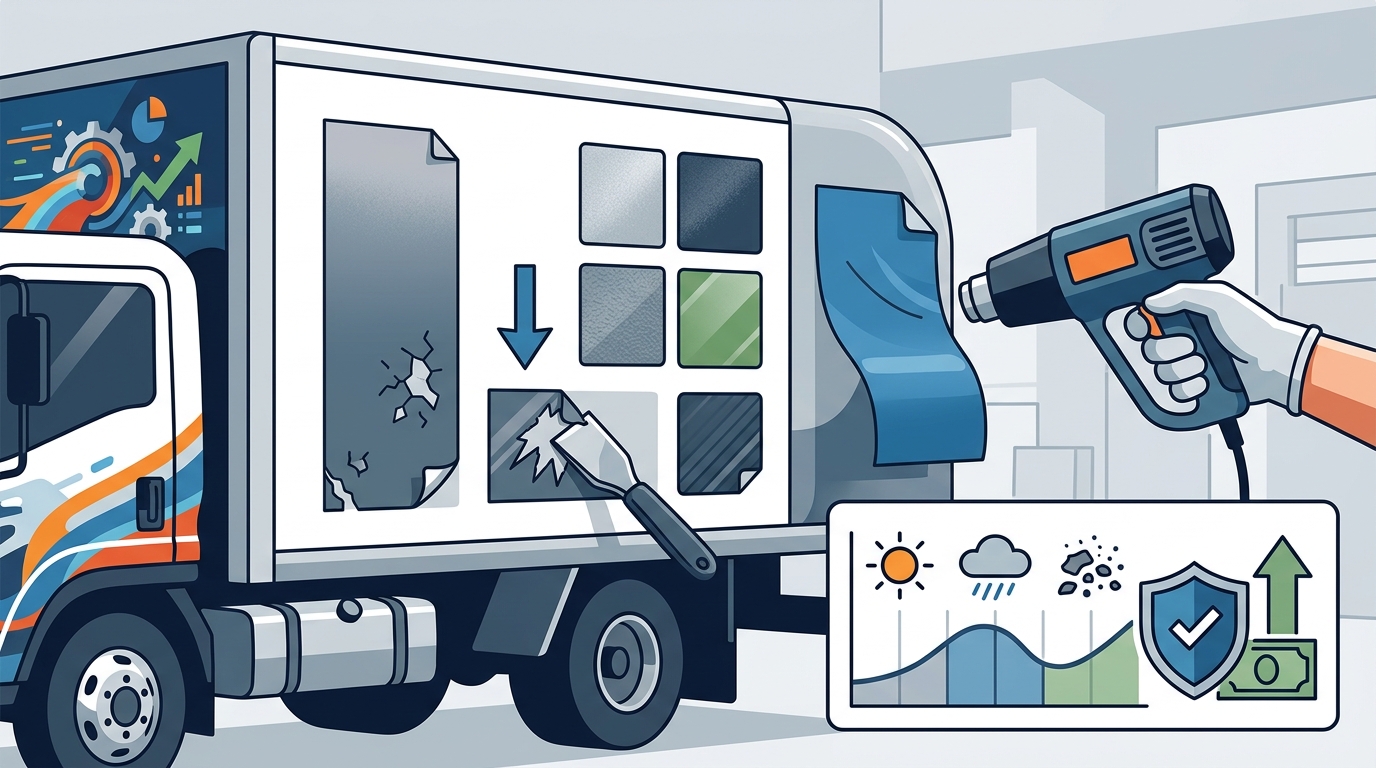
Cast vinyl is engineered to handle these challenges. It can stretch up to 20 percent or more, allowing it to conform to complex shapes without losing integrity. Calendered vinyl lacks this elasticity. Attempting to wrap a complex curve with calendered vinyl can result in wrinkles, bubbles, or adhesive failure.
At 360 Wraps, our nationwide installer network is trained to assess surface complexity. We evaluate the vehicle's body lines, door handles, and panel gaps. This assessment ensures that the selected material can be installed seamlessly. A poorly installed wrap on a complex surface will look unprofessional and fail prematurely. Our coast-to-coast consistency guarantees that every vehicle, regardless of shape, receives the same high standard of installation.
Environmental Factors and Climate Resilience
Commercial vehicles operate in diverse environments. A fleet that travels from the humid Southeast to the freezing North requires materials that can withstand extreme temperature swings.
UV Resistance and Color Stability
Ultraviolet radiation is the primary enemy of vehicle wraps. It breaks down the chemical bonds in the vinyl, causing fading and brittleness. High-quality cast vinyl includes UV inhibitors that protect the ink and the material itself. This ensures that your brand colors remain accurate for the life of the wrap.
According to industry standards, premium inks and laminates are essential for color retention. Without a protective laminate, the ink layer is exposed to the elements. A clear laminate adds a sacrificial layer that absorbs UV damage. It also protects against scratches, road debris, and chemical spills. For fleets in sunny climates, a high-gloss laminate is recommended to maximize brightness and protection.
Temperature Extremes
Extreme heat can soften adhesives, causing wraps to lift at the edges. Extreme cold can make vinyl brittle and difficult to install. Cast vinyl maintains its adhesive properties across a wider temperature range. It remains flexible in cold weather and stable in heat. This resilience is critical for fleets that operate year-round in varying climates.
Removal, Maintenance, and Long-Term Value
The end-of-life phase of a vehicle wrap is as important as its installation. Proper removal protects the original paint and maintains the vehicle's resale value.
Adhesive Technology
High-quality vinyl uses a pressure-sensitive adhesive that bonds strongly but removes cleanly. Cheap adhesives can leave behind residue or damage the paint upon removal. Cast vinyl typically uses a more sophisticated adhesive system that allows for clean removal after several years. This is a key benefit for fleets that rotate vehicles or change branding strategies.
Maintenance Best Practices
Proper maintenance extends the life of any wrap. Hand washing is recommended over automatic car washes. Automatic brushes can scratch the vinyl and lift edges. Use pH-neutral cleaners and avoid high-pressure nozzles on edges. Regular waxing with a vinyl-safe product can enhance gloss and protection.
At 360 Wraps, we provide detailed maintenance guides with every installation. We believe in building long-lasting relationships with our clients. This includes supporting the wrap long after it is on the road. Our team of designers, installers, and wrap specialists are available to answer questions and provide guidance.
Material Comparison Summary
| Feature | Calendered Vinyl | Cast Vinyl |
|---|---|---|
| Lifespan | 3 to 5 years | 7 to 10+ years |
| Conformability | Low (Flat surfaces) | High (Complex curves) |
| UV Resistance | Moderate | Excellent |
| Cost | Low | High |
| Best Use Case | Short-term promotions, box trucks | Fleet branding, complex vehicles |
Key Takeaways
- Cast vinyl is the industry standard for durability. It offers superior conformability and longevity compared to calendered options.
- Surface complexity dictates material choice. Complex curves and textured panels require the elasticity of cast vinyl.
- UV protection is non-negotiable. High-quality inks and laminates prevent fading and preserve brand colors.
- Proper removal protects asset value. Premium adhesives ensure clean removal without damaging the original paint.
- Maintenance extends lifespan. Hand washing and vinyl-safe products keep the wrap looking new.
- 360 Wraps offers nationwide consistency. Our system ensures brand accuracy across all 50 states.
- Family-owned since 2007. We bring 17 years of expertise to every project, ensuring no runaround and no guesswork.
Frequently Asked Questions
How long does a commercial vehicle wrap last?
A high-quality cast vinyl wrap can last seven to ten years or more. Calendered vinyl typically lasts three to five years. The lifespan depends on the material quality, environmental conditions, and maintenance practices.
Can a vehicle wrap damage the original paint?
No, when installed and removed correctly, a vehicle wrap protects the original paint. High-quality adhesives are designed to bond strongly but remove cleanly. Cheap materials or improper removal techniques can cause damage.
What is the difference between calendered and cast vinyl?
Calendered vinyl is made by rolling PVC, making it rigid and suitable for flat surfaces. Cast vinyl is poured, making it flexible and ideal for complex curves. Cast vinyl is more durable and longer-lasting.
Do you offer nationwide installation?
Yes, 360 Wraps provides coast-to-coast consistency. We work with a vetted network of professional installers across all 50 states to ensure your brand looks the same everywhere.
How do I maintain my vehicle wrap?
Hand wash your vehicle using pH-neutral cleaners. Avoid automatic car washes with brushes. Use a vinyl-safe wax to protect the surface. Avoid high-pressure nozzles on edges.
Is a laminate necessary?
A laminate is highly recommended. It adds a protective layer against UV rays, scratches, and chemical spills. It also enhances the gloss and depth of the colors.
Can you wrap textured surfaces?
Yes, cast vinyl can conform to textured surfaces. However, the texture may show through the vinyl. A thicker cast vinyl or a specific texture-matching technique may be required for the best result.
Get Your Fleet Wrapped
Choosing the right material is the first step in protecting your brand. 360 Wraps is the nation's strongest vehicle wrap company. We do not charge design time and believe in building long-lasting relationships. Whether you need help creating your new brand, rebranding your current image, or expanding your fleet, we are here to help.
Our system, developed over a decade, keeps brand colors and body placement accurate on every vehicle. From lobby and hallway wraps to conference rooms, we transform bare walls into branded spaces. Get a quote today and experience the 360 Wraps difference.
Get a Quote