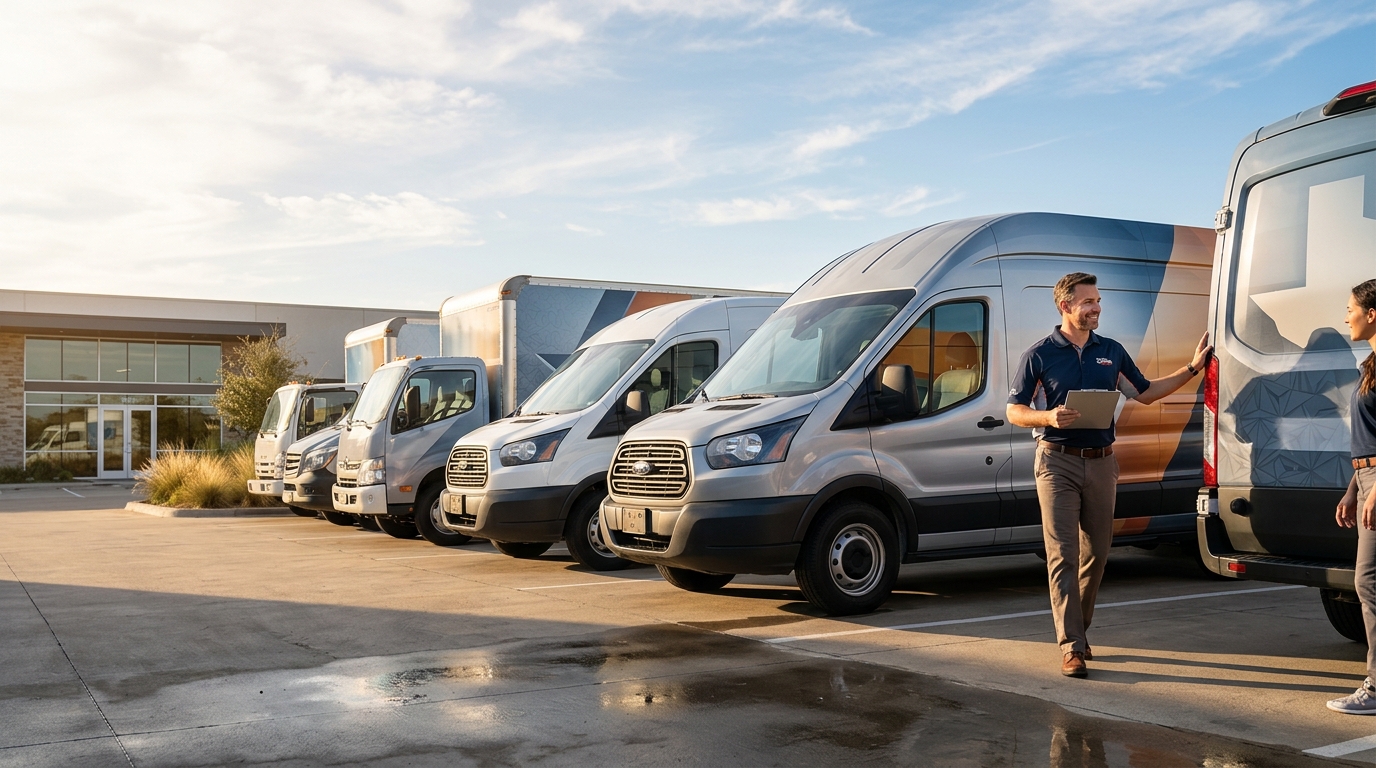
Choosing the right vehicle wrap for a Texas business fleet requires balancing brand visibility, material durability, and installation consistency. The best options combine high-performance vinyl with a standardized application process to withstand extreme heat and maintain brand integrity across multiple vehicles. This guide covers full wraps, partial wraps, UV protection, perforated window graphics, fleet standardization, and heat durability. It provides actionable insights for fleet managers and business owners seeking reliable branding solutions in the Lone Star State. For additional details, review the Contact Us 360 Wraps.
Full Wraps for Maximum Brand Impact
A full vehicle wrap is a comprehensive application of vinyl film that covers the entire exterior surface of a vehicle, including doors, hoods, trunks, and bumpers. This option provides the highest level of brand visibility and allows for complex, multi-color designs that transform a standard vehicle into a moving billboard. For Texas businesses with a strong visual identity, full wraps offer a premium look that commands attention on highways and in urban centers. The investment is higher, but the return in brand recognition is significant. For additional details, review the 360 Wraps Seamless Wraps.
Design Flexibility
Full wraps allow for seamless transitions between colors and graphics, creating a cohesive brand experience. Designers can incorporate logos, contact information, and promotional messages across the entire vehicle surface. This level of detail is ideal for companies that want to make a strong impression on potential customers. The ability to cover the entire vehicle also protects the original paint from minor scratches and sun damage.
Best Use Cases
Full wraps are best suited for vehicles that serve as primary brand ambassadors, such as executive cars, delivery trucks, or service vehicles that are frequently seen by the public. They are also ideal for rebranding efforts where a complete visual overhaul is necessary. Businesses in competitive markets like Dallas and Houston often choose full wraps to stand out from competitors with simpler decals.
Partial Wraps for Cost-Effective Branding
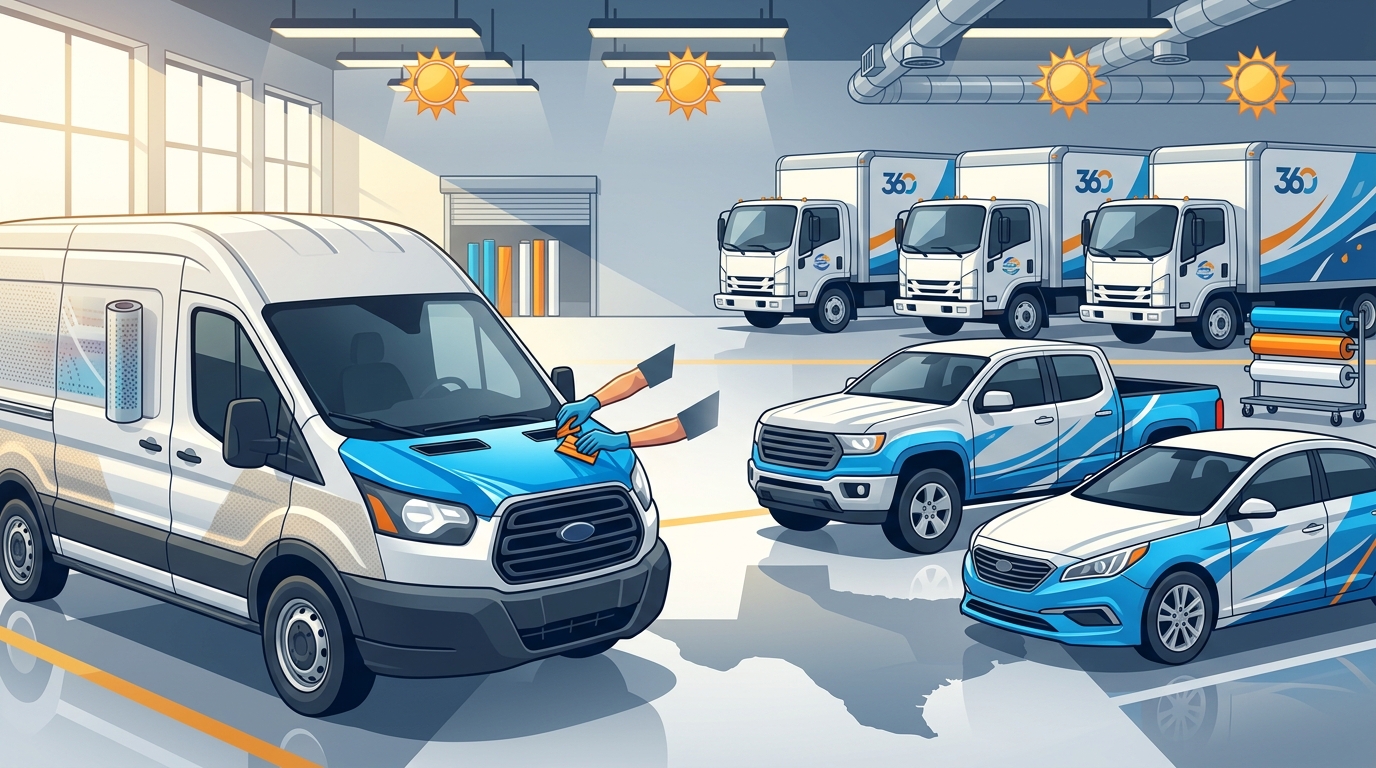
A partial wrap is a targeted application of vinyl graphics that covers specific areas of a vehicle, such as the doors, rear quarter panels, or roof. This option is more cost-effective than a full wrap and is ideal for businesses that want to maintain a clean, professional look while still displaying their brand. Partial wraps are easier to update or remove, making them a flexible choice for companies that change their marketing messages frequently.
Strategic Placement
Strategic placement of partial wraps ensures that key brand elements are visible from multiple angles. For example, placing a logo on the driver's side door and a phone number on the rear door ensures visibility for both pedestrians and other drivers. This approach allows businesses to allocate their budget efficiently while maintaining a consistent brand presence.
Quick Turnaround
Partial wraps typically have a shorter installation time compared to full wraps, which minimizes vehicle downtime. This is a significant advantage for businesses that rely on their vehicles for daily operations. The reduced complexity also makes partial wraps a popular choice for smaller fleets that need to update their branding quickly.
UV Protection and Material Longevity
UV protection is a critical feature of high-quality vehicle wrap vinyl, as it prevents the material from fading, cracking, or peeling under prolonged sun exposure. Texas receives some of the highest levels of ultraviolet radiation in the United States, making UV-resistant materials essential for long-lasting wraps. Premium vinyl films are engineered with UV inhibitors that block harmful rays and preserve the vibrancy of printed colors.
Material Selection
Longevity Expectations
With proper maintenance, a high-quality UV-protected wrap can last between five and seven years. Regular cleaning and avoiding harsh chemicals help extend the life of the material. Businesses should inspect their wraps periodically for signs of wear, such as lifting edges or color fading, and address any issues promptly to prevent further damage.
Perforated Window Graphics for Visibility
Perforated window graphics are vinyl films with small holes that allow drivers to see through them while displaying branding on the outside. This option is ideal for vehicles with large windows, such as vans, trucks, and buses, as it maximizes advertising space without compromising safety. The perforations are designed to be small enough to create a solid image from the outside but large enough to provide clear visibility from the inside.
Safety and Compliance
Using perforated window graphics ensures compliance with vehicle safety regulations that prohibit opaque window coverings. This makes them a practical choice for commercial fleets that need to adhere to state and local laws. The graphics can be customized with logos, slogans, or promotional messages, turning every window into a valuable advertising surface.
Application Considerations
Applying perforated window graphics requires precision to ensure that the holes align correctly and the image appears seamless. Professional installers use specialized tools and techniques to achieve a clean finish. This option is particularly effective for vehicles that spend a lot of time in traffic or parked in high-visibility areas, as it captures the attention of passersby.
Fleet Standardization and Consistency
Fleet standardization is the process of ensuring that all vehicles in a fleet have a consistent appearance, including identical colors, logos, and placement of graphics. This consistency is crucial for building brand recognition and trust among customers. A standardized fleet presents a professional image and reinforces the company's identity across all touchpoints.
Brand Consistency
Standardization involves using the same design templates and materials for every vehicle in the fleet. This ensures that the brand is recognized instantly, regardless of which vehicle a customer encounters. It also simplifies the production and installation process, as installers can follow a set of predefined guidelines. This approach reduces errors and ensures a uniform finish across all vehicles.
Scalability
A standardized fleet branding system is scalable, allowing businesses to add new vehicles to their fleet without compromising brand consistency. This is particularly important for growing companies that need to expand their operations quickly. By establishing a clear branding protocol, businesses can maintain their visual identity as they scale, ensuring that every vehicle represents the brand accurately.
Durability in Texas Heat
Texas heat durability refers to the ability of vehicle wrap materials to withstand extreme temperatures and intense sunlight without degrading. The state's climate, characterized by high summer temperatures and strong UV exposure, poses unique challenges for vehicle wraps. Materials that perform well in Texas must be resistant to heat-induced expansion, contraction, and fading.
Heat Resistance
High-quality vinyl films are designed to remain stable in high temperatures, preventing bubbling, peeling, or warping. The adhesive used in these films is also formulated to withstand heat, ensuring a strong bond with the vehicle's surface. This heat resistance is essential for maintaining the integrity of the wrap over time, especially in regions where temperatures regularly exceed 100 degrees Fahrenheit.
Climate Adaptation
Businesses in Texas should consider the specific climate conditions of their operating area when selecting wrap materials. For example, vehicles in the Gulf Coast region may face higher humidity levels, which can affect the adhesive's performance. Choosing materials that are tested for these conditions ensures that the wrap remains durable and visually appealing throughout its lifespan.
Wrap Option Comparison
| Wrap Type | Coverage | Cost | Best For | Durability |
|---|---|---|---|---|
| Full Wrap | Entire Vehicle | High | Maximum Brand Impact | 5-7 Years |
| Partial Wrap | Specific Areas | Medium | Cost-Effective Branding | 3-5 Years |
| Perforated Window Graphics | Windows | Low-Medium | Window Visibility | 3-5 Years |
Key Takeaways
- Full wraps offer the highest brand visibility and are ideal for vehicles that serve as primary brand ambassadors.
- Partial wraps provide a cost-effective solution for businesses that want to maintain a clean, professional look.
- UV protection is essential for Texas fleets to prevent fading and material degradation under intense sunlight.
- Perforated window graphics maximize advertising space on windows while maintaining driver visibility and safety compliance.
- Fleet standardization ensures consistent brand recognition and simplifies the production and installation process.
- Heat-resistant materials are crucial for withstanding Texas's extreme temperatures and maintaining wrap integrity.
- Choosing the right wrap option depends on the business's goals, budget, and operating environment.
- Professional installation and regular maintenance are key to extending the life and appearance of vehicle wraps.
Frequently Asked Questions
How long do vehicle wraps last in Texas?
With proper maintenance and high-quality materials, vehicle wraps in Texas can last between five and seven years. UV protection and heat-resistant vinyl are critical for ensuring longevity in the state's climate.
Are perforated window graphics safe for drivers?
Yes, perforated window graphics are designed with small holes that allow drivers to see through them clearly. They comply with vehicle safety regulations and do not compromise visibility.
What is the difference between full and partial wraps?
A full wrap covers the entire exterior of the vehicle, while a partial wrap covers only specific areas. Full wraps offer maximum brand impact, while partial wraps are more cost-effective and flexible.
How does heat affect vehicle wraps?
Extreme heat can cause vinyl to expand, contract, or bubble if the material is not heat-resistant. High-quality wraps are engineered to withstand high temperatures without degrading.
Can I remove a vehicle wrap without damaging the paint?
Yes, professional removal of a vehicle wrap typically does not damage the underlying paint. The adhesive is designed to release cleanly, leaving the surface intact.
How often should I clean my vehicle wrap?
It is recommended to clean your vehicle wrap regularly using mild soap and water. Avoid harsh chemicals and automatic car washes with stiff brushes, as they can damage the vinyl.
Do vehicle wraps protect the original paint?
Yes, vehicle wraps provide a layer of protection for the original paint, shielding it from minor scratches, sun damage, and environmental factors. This can help preserve the vehicle's resale value.
Is fleet standardization necessary for small businesses?
While not strictly necessary, fleet standardization helps small businesses build brand recognition and present a professional image. It ensures that all vehicles represent the brand consistently.
Conclusion
Selecting the best vehicle wrap options for a Texas business fleet involves careful consideration of material durability, design flexibility, and brand consistency. Full wraps offer maximum impact, while partial wraps provide a cost-effective alternative. UV protection and heat-resistant materials are essential for withstanding the state's extreme climate. Perforated window graphics and fleet standardization further enhance brand visibility and professionalism. For businesses seeking reliable, high-quality vehicle branding solutions, 360 Wraps offers expert design and installation services tailored to your specific needs. Contact them today to discuss your fleet branding project and ensure your vehicles make a lasting impression.