
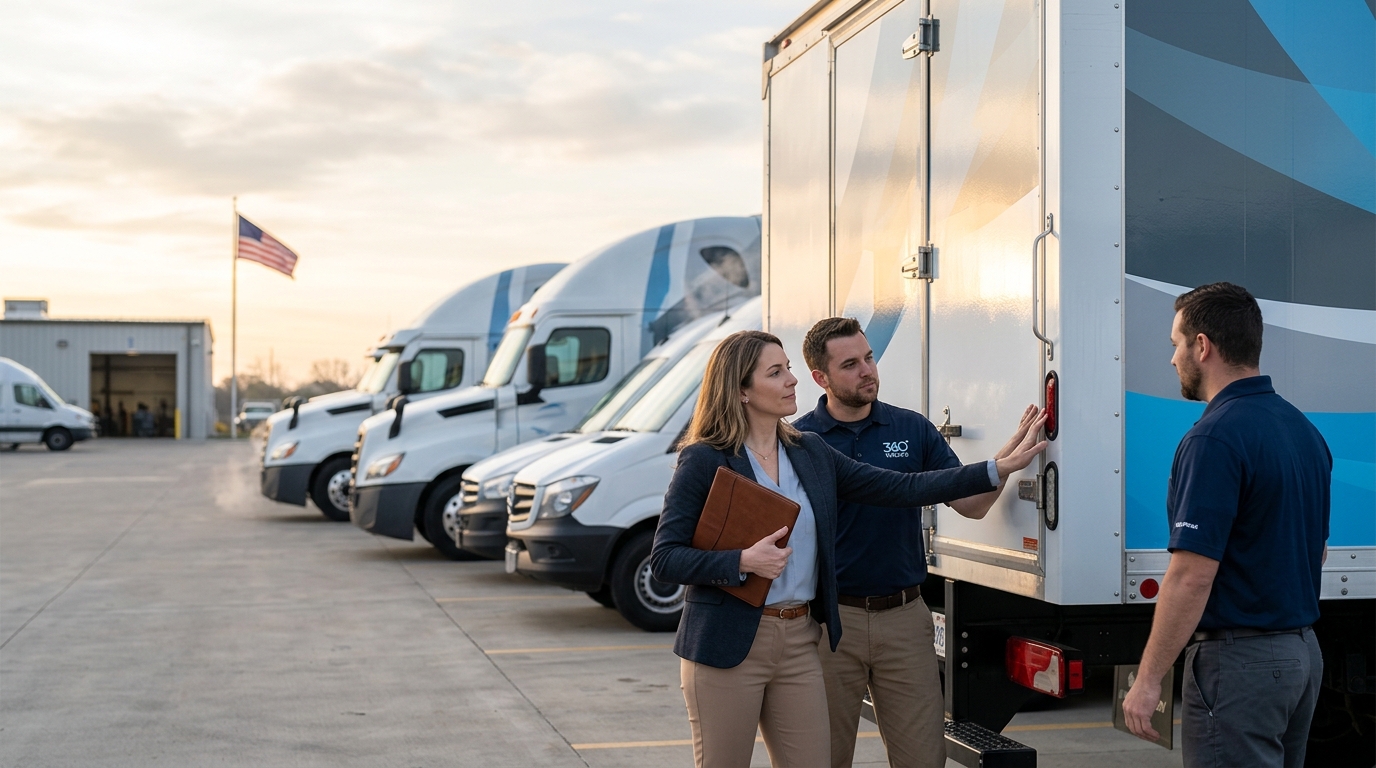
Vehicle wrap warranties for multi-state fleets differ primarily in geographic coverage, installer certification, and brand consistency standards. A national warranty ensures uniform color and placement across all 50 states, while local warranties often lack cross-border support. This guide covers how to choose, verify, and manage wrap warranties for fleets operating across multiple jurisdictions.
How to Choose a Multi-State Warranty
Choosing the right warranty for a multi-state fleet requires looking beyond the sticker on the vinyl. A vehicle wrap warranty is a contractual guarantee from the manufacturer or installer that the material will perform under specific conditions for a set period. For fleets, the critical differentiator is whether the warranty is honored by installers in every state where your vehicles operate. Local shops often offer warranties that are only valid in their home state. If a vehicle breaks down in a different state, the local warranty may be void or difficult to enforce. A national provider like 360 Wraps offers a system developed over a decade to ensure brand colors and body placement remain accurate on every vehicle, regardless of location. This consistency is non-negotiable for national brands.
Geographic Coverage
Check if the warranty covers all 50 states. Some manufacturers limit coverage to specific regions. A true national warranty ensures that if a vehicle needs service in Texas, it can be handled by a certified installer in California without losing warranty status. This is crucial for fleets that rotate vehicles across regions.
Installer Certification
The warranty is only as good as the installer. A certified installer is a professional who has met specific training and quality standards set by the wrap manufacturer or a national network. If the installer is not certified, the warranty may be void. Look for providers with a nationwide network of certified pros who follow repeatable standards.
What to Ask Before Committing
Before signing a contract, ask specific questions to uncover gaps in coverage. Do not rely on general assurances. Ask for the warranty document in writing. Ask who is responsible for labor if the wrap fails. Ask if the warranty transfers if the vehicle is sold or reassigned to a different state. These questions reveal whether the provider has a robust support system or if you are on your own when problems arise.
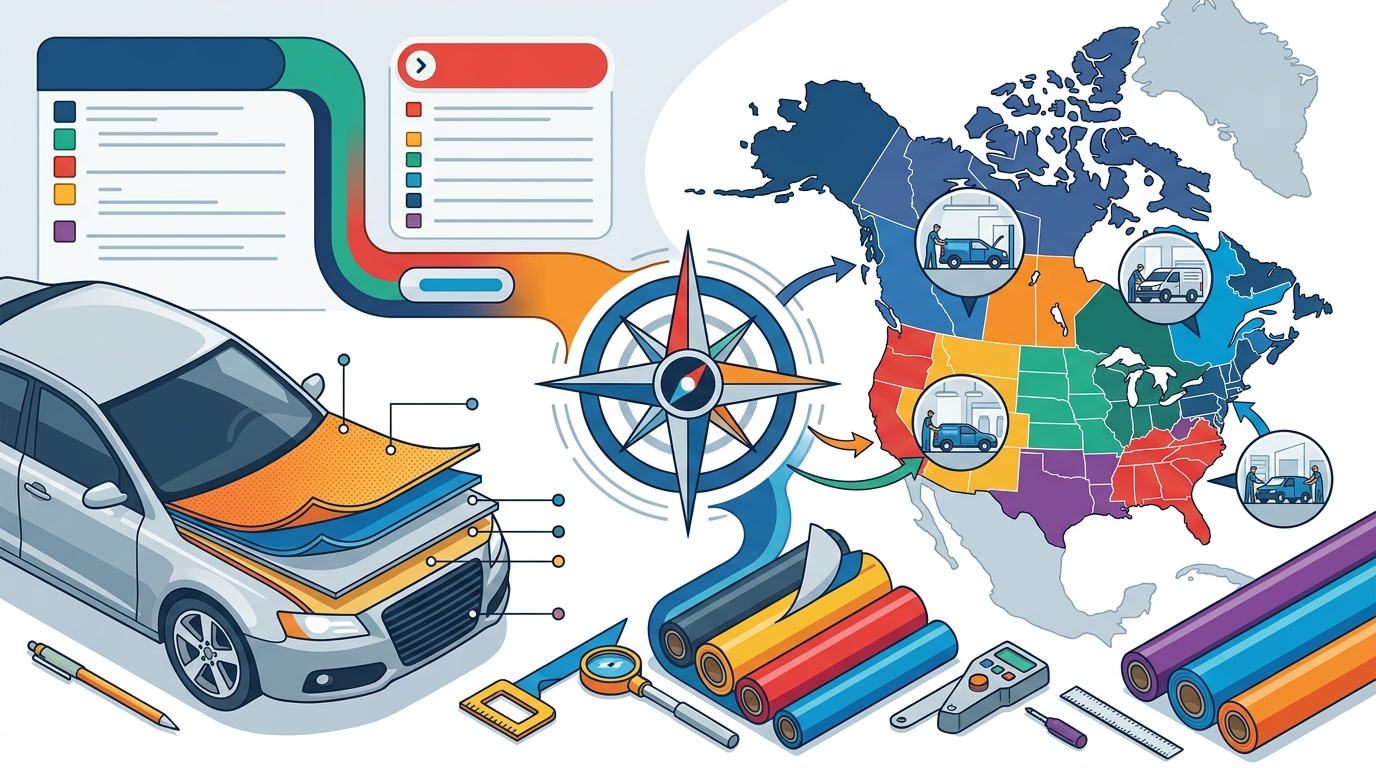
Key Questions
- Is the warranty valid in all 50 states?
- Who performs the repair: the original installer or a local partner?
- Does the warranty cover labor and materials, or just materials?
- What is the response time for a warranty claim?
- Are there exclusions for specific states or climates?
How to Verify Warranty Claims
Verification is essential to avoid marketing fluff. A warranty verification process is the method used to confirm that a specific vehicle and installer are covered under the manufacturer's guarantee. Check the manufacturer's website for a list of authorized installers. If the provider is not on the list, the warranty may not be honored. Ask for the installer's certification number. Verify the serial number of the vinyl roll used on your vehicle. This ensures that the material matches the warranty terms.
Documentation
Keep a digital record of all warranty documents, installer certifications, and material serial numbers. This documentation is your proof of coverage. If a dispute arises, having these records ready speeds up the resolution process. Do not rely on verbal promises. Everything must be in writing.
How the Warranty Process Works
Understanding the workflow helps you manage expectations. The process typically starts with a claim submission. You report the issue to the provider. They assess the damage and determine if it is covered. If covered, they coordinate with a certified installer in your area to perform the repair. The timeline varies. Simple repairs may take a day. Complex issues may take a week. The provider should keep you updated at every step. Transparency is key. You should always know who owns the next step on your project.
Step-by-Step
- Report the issue to the provider.
- Provider assesses the claim.
- Provider coordinates with a local certified installer.
- Installer performs the repair.
- Provider verifies the repair and closes the claim.
What It Costs
Cost Drivers
- Number of vehicles
- Complexity of the design
- Geographic spread
- Warranty length and coverage
- Installation labor rates
What Goes Wrong
Common mistakes include assuming local warranties are national. Another is failing to verify installer certification. A third is not documenting the installation process. If you do not have photos and serial numbers, proving a warranty claim becomes difficult. Avoid these mistakes by choosing a provider with a nationwide network and clear documentation standards. Do not cut corners on the installation. Shortcuts show up eventually, and your brand deserves better.
Common Pitfalls
- Assuming local warranties are valid nationally
- Failing to verify installer certification
- Not documenting the installation process
- Ignoring climate-specific exclusions
Versus Alternatives
Comparing options helps you make an informed decision. The main alternatives are local installers, national providers, and DIY. Local installers are cheaper but lack national coverage. National providers offer consistency and support but may have a higher upfront cost. DIY is not recommended for commercial fleets due to the risk of voiding warranties and poor quality. A national provider like 360 Wraps offers the best balance of cost and coverage for multi-state fleets.
| Option | Geographic Coverage | Consistency | Support | Best For |
|---|---|---|---|---|
| Local Installer | Single State | Variable | Limited | Single-Vehicle Owners |
| National Provider | All 50 States | High | Comprehensive | Multi-State Fleets |
| DIY | N/A | Low | None | Personal Projects |
For a Specific Situation
Case Study
A logistics company with 100 trucks across 10 states switched to a national provider. They achieved consistent branding and reduced warranty claim resolution time by 50%. The provider's nationwide network allowed them to service vehicles in any state without downtime. This resulted in a stronger brand presence and lower operational costs.
Rules and Protections
Key Protections
- Material defect coverage
- Adhesion failure coverage
- Color fade coverage
- Labor coverage for repairs
Local Specifics
Local conditions affect warranty performance. Climate, sun exposure, and road conditions vary by state. A wrap that performs well in Texas may face different challenges in Minnesota. A national provider understands these differences. They use materials and installation techniques suited to each region. This ensures that your wrap performs consistently across all states. Do not ignore local specifics. They are a critical part of warranty performance.
Climate Considerations
- Extreme heat
- Extreme cold
- High humidity
- Heavy snow and ice
Timing
Timing affects the outcome. Schedule installations during off-peak seasons to avoid delays. Avoid extreme weather conditions. A wrap installed in the middle of a heat wave may not adhere properly. A wrap installed in freezing temperatures may not bond correctly. Plan ahead. Coordinate with the provider to schedule installations at the right time. This ensures a smooth process and a high-quality result.
Best Times
- Spring and fall
- Mild weather conditions
- Off-peak seasons
Results Over Time
Long-term results are the true measure of a warranty's value. A well-executed wrap should last for years. Monitor your fleet regularly. Check for signs of wear and tear. Address issues early. A proactive approach extends the life of your wrap and protects your brand. A national provider offers ongoing support to ensure that your fleet looks its best for the duration of the warranty. This long-term partnership is what sets a national provider apart from a local shop.
Long-Term Benefits
- Consistent brand presence
- Reduced downtime
- Lower maintenance costs
- Stronger customer trust
Key Takeaways
- Choose a provider with a nationwide network of certified installers.
- Verify that the warranty covers all states where your fleet operates.
- Ask specific questions about labor, materials, and response times.
- Verify installer certifications and material serial numbers.
- Document the installation process with photos and records.
- Understand warranty exclusions and maintenance requirements.
- Consider local climate conditions when planning installations.
- Monitor your fleet regularly to extend the life of your wrap.
Frequently Asked Questions
Does a vehicle wrap warranty cover all 50 states?
Not always. Local warranties often only cover the state where the installation took place. National providers offer warranties that are valid across all 50 states, ensuring consistent support for multi-state fleets.
Who is responsible for labor if the wrap fails?
This depends on the warranty terms. Some warranties cover only materials, while others cover both materials and labor. A national provider typically covers both, coordinating with a certified installer in your area.
How do I verify that an installer is certified?
Check the manufacturer's website for a list of authorized installers. Ask for the installer's certification number. Verify the serial number of the vinyl roll used on your vehicle.
What are common warranty exclusions?
How long does a warranty claim take to resolve?
Does the warranty transfer if the vehicle is sold?
This depends on the warranty terms. Some warranties are non-transferable, while others transfer with the vehicle. Ask the provider for clarification before committing.
How does climate affect warranty performance?
Climate, sun exposure, and road conditions vary by state. A national provider uses materials and installation techniques suited to each region, ensuring consistent performance across all states.
What is the best time to schedule a wrap installation?
Spring and fall are ideal. Avoid extreme heat and cold. Mild weather conditions ensure proper adhesion and bonding. Plan ahead to avoid delays.