Full Custom Vinyl Vehicle Wrap Cost in Dallas-Fort Worth: 2026 Guide
Understanding Vehicle Wrap Pricing Structure
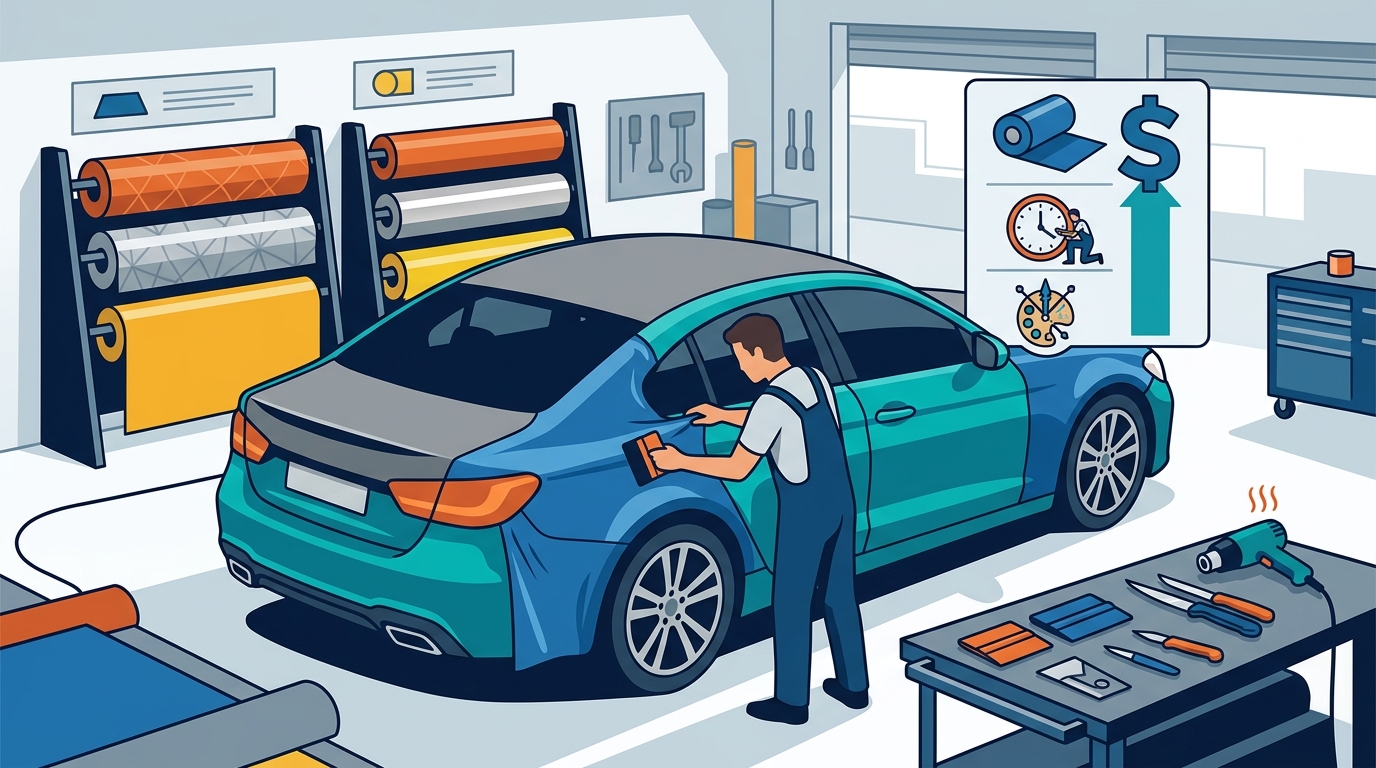
Vehicle wrap pricing is not a flat rate; it is a composite of material costs, labor hours, and design complexity. A full wrap covers every visible panel of the vehicle, including doors, hood, trunk, and roof. This comprehensive coverage requires significantly more vinyl and installation time than partial wraps or decals. In the Dallas-Fort Worth market, labor rates for certified installers are a major component of the total price.
Material Costs vs. Labor Costs
The Value of Professional Installation
Professional installation is a critical investment that protects your vehicle's resale value. A poorly installed wrap can damage the underlying paint or result in premature failure. By choosing a specialized provider like 360 Wraps, you ensure that the installation is handled by experts who understand the nuances of different vehicle geometries. This expertise is reflected in the pricing but is justified by the long-term durability and aesthetic quality of the result.
How Vehicle Size Impacts Final Cost
Vehicle size is the single most significant factor in determining the cost of a full custom wrap. The total square footage of vinyl required scales directly with the vehicle's dimensions. A compact sedan requires significantly less material and labor than a full-size pickup truck or a commercial van. This variance creates distinct pricing tiers within the market.
Compact and Mid-Size Vehicles
Compact cars and mid-size sedans generally fall into the lower end of the pricing spectrum. These vehicles have simpler body lines and less surface area, which reduces both material consumption and installation time. For a standard sedan, you can expect the cost to be at the baseline of the market range. This makes them an ideal entry point for businesses testing the waters of mobile advertising.
Full-Size Trucks and SUVs
Full-size trucks, such as the Ford F-150 or Chevy Silverado, command a higher price due to their larger surface area. The increased square footage requires more vinyl, and the larger panels often require more careful handling to ensure a smooth finish. SUVs and crossovers fall between sedans and full-size trucks in terms of cost. The complexity of the roof and rear hatch can also add to the labor time for these vehicles.
Commercial Vans and Specialty Vehicles
Commercial vans, such as the Ford Transit or Chevy Express, are among the most expensive vehicles to wrap. Their boxy shape and large, flat surfaces require a substantial amount of material. Additionally, the height of these vehicles often requires specialized equipment and more installers to complete the job efficiently. Specialty vehicles, including motorcycles or classic cars, may require custom fabrication of vinyl pieces, which can further increase the cost.
| Vehicle Category | Typical Square Footage | Estimated Cost Range (DFW) | Complexity Level |
|---|
Material Types and Durability Factors
The type of vinyl you choose directly impacts both the upfront cost and the long-term value of your wrap. Vinyl is a flexible plastic film that is printed with your design and applied to the vehicle's surface. The quality of the vinyl determines how well it conforms to the vehicle's curves and how long it lasts under Texas sun and weather conditions.
Premium Cast Vinyl
Premium cast vinyl is the industry standard for high-quality vehicle wraps. It is thinner and more flexible than calendered vinyl, allowing it to stretch over complex curves and edges without cracking. This material offers the best durability and color retention, making it the preferred choice for 360 Wraps. While it is more expensive upfront, its longevity and aesthetic quality provide better value over time.
Calendered Vinyl
Specialty Finishes
Specialty finishes, such as matte, satin, or chrome, can increase the cost of your wrap. These finishes require specialized printing techniques and may need additional protective layers to maintain their appearance. Chrome wraps, in particular, are highly reflective and can be difficult to install, which adds to the labor cost. However, they offer a striking visual impact that can make your vehicle stand out in a crowded market.
Design Complexity and Customization
Design complexity is another major factor in determining the cost of a full custom wrap. A simple single-color wrap is the most affordable option, while a multi-color design with intricate graphics and logos is the most expensive. The time required to create and print the design, as well as the skill required to install it, all contribute to the final price.
Single-Color Wraps
Single-color wraps are the most cost-effective option for a full vehicle wrap. They require minimal design work and are relatively easy to install. This type of wrap is ideal for businesses that want a clean, professional look without the expense of a complex design. It is also a good choice for individuals who want to change the color of their vehicle without the cost of a full paint job.
Multi-Color and Graphic Designs
Multi-color and graphic designs are more expensive due to the increased complexity of the design and installation process. These designs require more time to create and print, and they are more difficult to install because the installer must align multiple colors and graphics precisely. The cost of a multi-color wrap can be 20% to 50% higher than a single-color wrap, depending on the complexity of the design.
Custom Branding and Logos
Custom branding and logos are a key component of vehicle wraps for businesses. The cost of incorporating your logo and branding into the design depends on the complexity of the artwork. Simple logos with few colors are less expensive to print and install than complex logos with gradients or fine details. 360 Wraps offers design services to help you create a custom look that aligns with your brand identity.
Fleet Branding and Volume Discounts
Volume Discounts
Volume discounts are a common practice in the vehicle wrap industry. The more vehicles you wrap, the lower the per-vehicle cost becomes. This is because the design and setup costs are amortized over a larger number of vehicles, and the installer can work more efficiently when wrapping multiple vehicles of the same model. 360 Wraps offers competitive pricing for fleet projects, ensuring that you get the best value for your investment.
Consistency and Branding
Fleet branding ensures that all your vehicles have a consistent look, which reinforces your brand identity and builds trust with customers. A consistent fleet image is a powerful marketing tool that can increase brand recognition and drive sales. By working with a specialized provider like 360 Wraps, you can ensure that your fleet branding is executed to the highest standards, with consistent quality across all vehicles.
Key Takeaways
- Vehicle size is the primary driver of cost, with larger trucks and vans costing significantly more than sedans.
- Premium cast vinyl is the recommended material for full wraps due to its superior conformability and durability.
- Design complexity, including multi-color graphics and logos, can increase the cost by 20% to 50%.
- Fleet branding offers volume discounts, reducing the per-vehicle cost for businesses with multiple vehicles.
- Professional installation is a critical investment that protects your vehicle's resale value and ensures a seamless finish.
- 360 Wraps provides transparent pricing and expert installation for both individual and fleet projects.
Frequently Asked Questions
How long does a full vehicle wrap last?
A high-quality full vehicle wrap typically lasts between 5 and 7 years, depending on the material used and the vehicle's exposure to the elements. Premium cast vinyl offers the best durability and color retention, making it the preferred choice for long-term use.
Will a vehicle wrap damage my paint?
When installed and removed by a professional, a vehicle wrap should not damage your paint. In fact, a wrap can protect your paint from UV rays, minor scratches, and road debris. It is important to choose a reputable installer to ensure that the wrap is applied and removed correctly.
Can I drive my vehicle immediately after the wrap is installed?
Yes, you can drive your vehicle immediately after the wrap is installed. However, it is recommended to avoid car washes and high-pressure water for the first 24 to 48 hours to allow the adhesive to fully cure. This ensures that the wrap adheres properly to the vehicle's surface.
How much does a partial wrap cost compared to a full wrap?
A partial wrap typically costs 50% to 70% less than a full wrap, depending on the coverage area. Partial wraps are a good option for businesses that want to add branding to their vehicles without the expense of a full wrap. They can also be used to highlight specific areas of the vehicle, such as the doors or hood.
Do you offer design services for custom wraps?
Yes, 360 Wraps offers design services to help you create a custom look that aligns with your brand identity. Our team of designers will work with you to develop a design that meets your needs and budget. We offer a range of design options, from simple single-color wraps to complex multi-color graphics.
What is the difference between cast and calendered vinyl?
Cast vinyl is thinner and more flexible than calendered vinyl, allowing it to conform to complex curves and edges. Calendered vinyl is thicker and less flexible, making it suitable for flat surfaces and simple designs. Cast vinyl is generally more expensive but offers better durability and aesthetic quality.
Can I remove the wrap and restore my vehicle to its original color?
Yes, you can remove the wrap and restore your vehicle to its original color. When removed by a professional, the wrap should not damage the underlying paint. This makes vehicle wraps a reversible option for changing your vehicle's appearance, unlike a full paint job.
How do I maintain my vehicle wrap?
To maintain your vehicle wrap, you should wash it regularly with a mild soap and water. Avoid using harsh chemicals or abrasive materials that can damage the vinyl. It is also recommended to avoid high-pressure car washes, as they can lift the edges of the wrap. Regular maintenance will help extend the life of your wrap and keep it looking its best.
Conclusion
Understanding the cost of a full custom vinyl vehicle wrap in Dallas-Fort Worth requires considering vehicle size, material quality, and design complexity. By choosing a specialized provider like 360 Wraps, you can ensure that your investment is protected by professional installation and premium materials. Whether you are an individual looking to change your vehicle's color or a business seeking to brand your fleet, 360 Wraps offers the expertise and transparency you need. Get a quote today to discuss your project and receive a detailed estimate tailored to your specific needs.