When you invest in a premium vehicle wrap in the Dallas area, you are paying for advanced materials, specialized labor, and rigorous quality control. While standard wraps focus on basic coverage, premium finishes demand higher-grade vinyl and meticulous installation techniques. This distinction drives the price higher but ensures a flawless, long-lasting result that protects your brand or vehicle investment. For additional details, review the Contact Us 360 Wraps.
The Material Premium: Why Quality Costs More
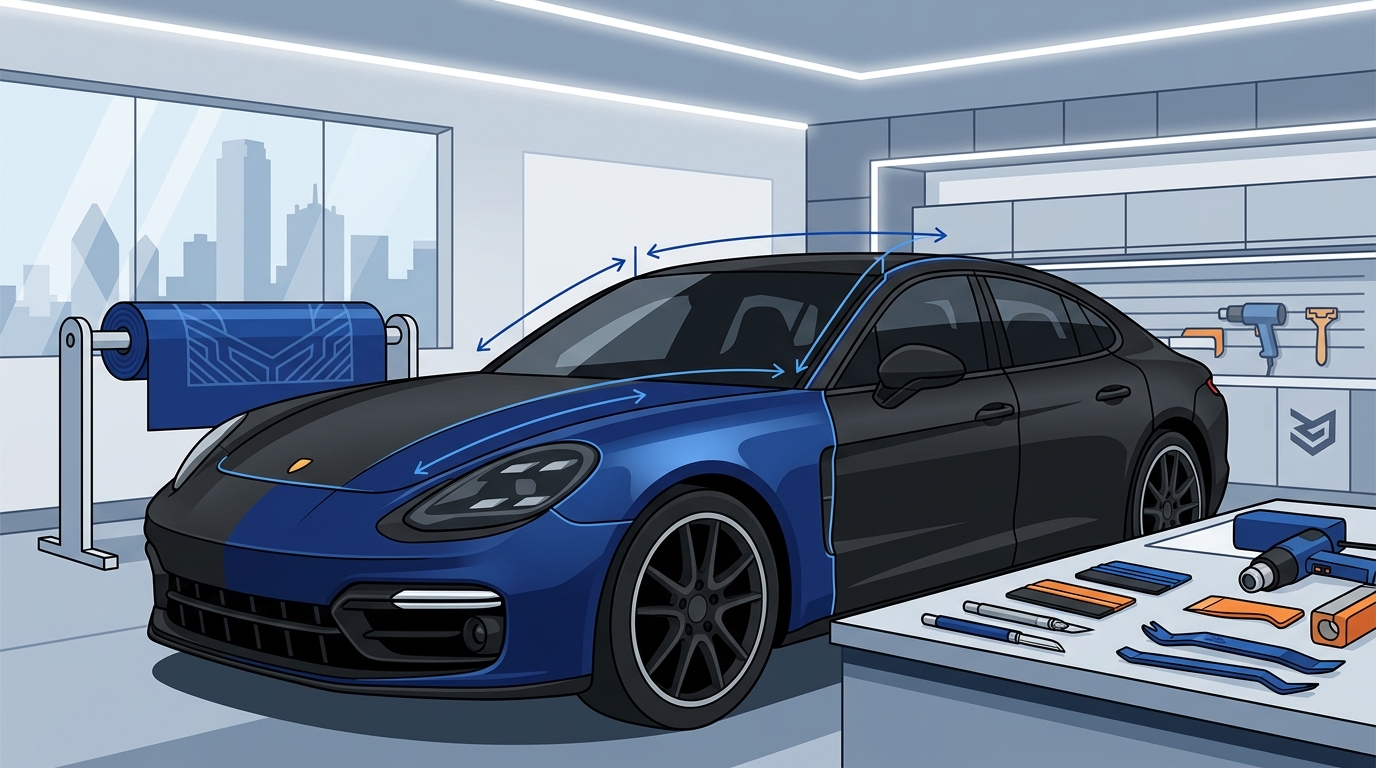
Manufacturers produce these films with specific thicknesses and adhesive properties that allow for complex curves and seamless application. For example, a satin or matte finish requires a different manufacturing process than a standard gloss finish, often resulting in a higher per-square-foot cost. When you see a price difference between a basic wrap and a premium one, you are largely paying for this material science. The vinyl must be able to conform to the vehicle's body lines without wrinkling or bubbling, which requires a more expensive, flexible substrate. For additional details, review the 360 Wraps Seamless Wraps.
Labor Intensity and Installation Expertise
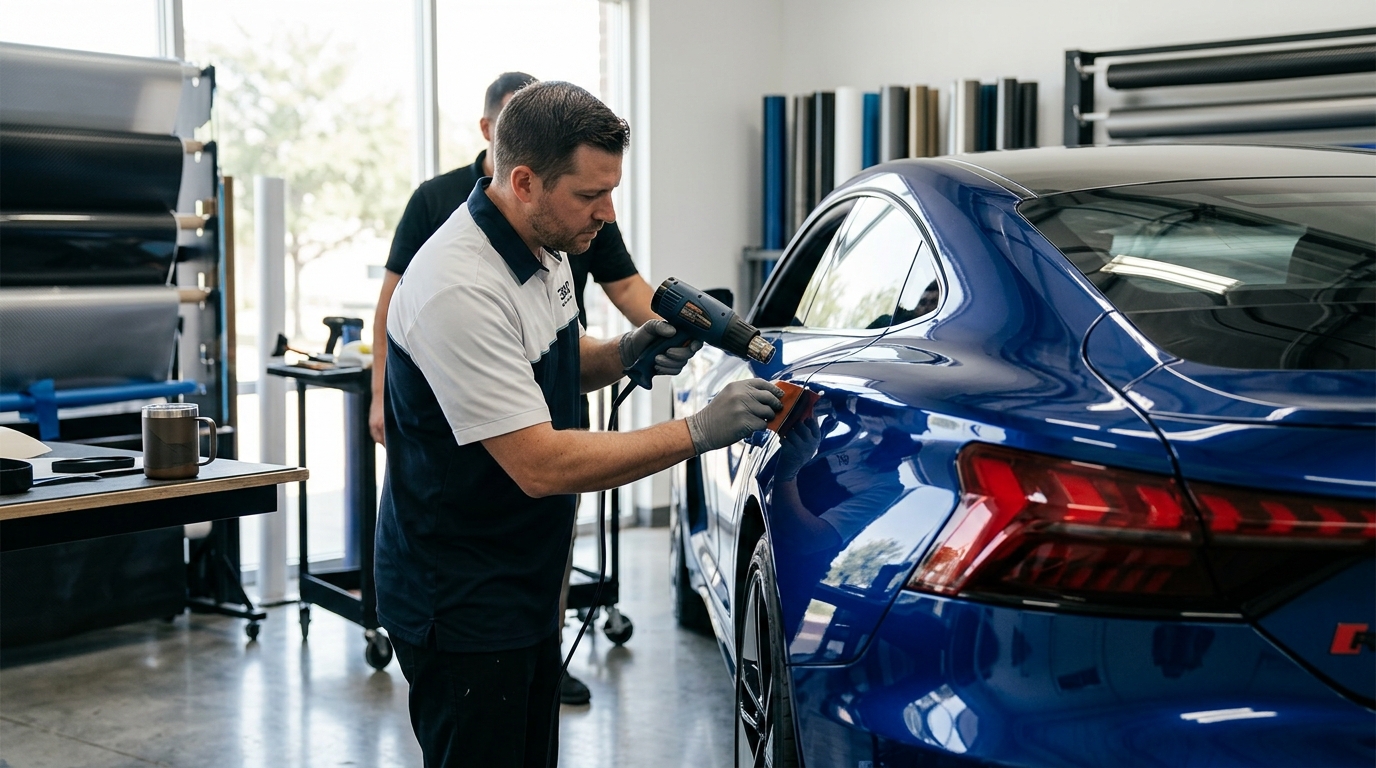
Labor is the second major component of a premium wrap's cost. Installing a high-end finish requires a level of skill that goes beyond basic application. A premium installation is a process that involves precise surface preparation, heat management, and tension control to achieve a factory-like finish. In the Dallas-Fort Worth metroplex, certified installers command higher rates because of the specialized training required to handle these advanced materials. For additional details, review the Get a Quote 360.
Consider the time required for a full wrap versus a partial decal. A full premium wrap can take several days to complete, depending on the vehicle's complexity. The installer must work in controlled environments to avoid dust and debris, which adds to the operational cost. Furthermore, premium wraps often require additional steps, such as edge sealing and detailed trimming, which are not always necessary for standard applications. This expertise ensures that the wrap looks intentional and clean, both up close and from a distance.
Local Market Dynamics in Dallas-Fort Worth
The Dallas area has a unique market for vehicle branding due to its diverse business landscape and harsh weather conditions. The high volume of commercial fleets in the region means that demand for consistent, high-quality branding is significant. This demand supports a robust ecosystem of specialized wrap companies that focus on premium finishes. For businesses in the DFW area, the cost of a premium wrap is often justified by the need for brand consistency across multiple vehicles.
Additionally, the local climate plays a role in pricing. The extreme heat in Dallas can cause lower-quality materials to degrade faster, leading to premature peeling or fading. Therefore, many local providers recommend premium materials that are specifically tested for high-temperature environments. This regional factor means that the cost of a premium wrap in Dallas may reflect not just the material and labor, but also the assurance of longevity in a challenging climate. Businesses that rely on their vehicles for advertising understand that a cheap wrap that fails in two years is more expensive in the long run than a premium wrap that lasts five or more.
Long-Term Value and Brand Protection
When evaluating the cost of a premium vehicle wrap, it is essential to look beyond the initial price tag. The value proposition of a premium finish lies in its ability to protect the vehicle's resale value and maintain brand integrity. A well-installed premium wrap can be removed without damaging the underlying paint, which is a significant advantage for vehicle owners. This reversibility means that the wrap is an investment that can be updated or removed as business needs change.
For corporate fleets, the consistency of a premium wrap across all vehicles is a key benefit. A mismatched or low-quality wrap can harm brand perception, while a uniform, high-end finish reinforces professionalism. The cost per vehicle may be higher, but the return on investment in terms of brand equity and customer trust is substantial. In the competitive Dallas market, standing out with a premium visual identity can be a decisive factor in winning new business.
Key Takeaways
- Premium vehicle wraps cost more due to advanced vinyl materials and specialized labor.
- The Dallas climate necessitates high-quality materials to ensure longevity and color retention.
- Labor costs reflect the expertise required for seamless, factory-like installations.
- Premium wraps offer long-term value by protecting paint and maintaining brand consistency.
- Reversibility is a key benefit, allowing for easy updates or removal without damage.
Frequently Asked Questions
What is the main difference between a standard and a premium vehicle wrap?
The main difference lies in the quality of the vinyl material and the level of installation expertise. Premium wraps use higher-grade films with better durability and finish options, installed by certified professionals.
How long does a premium vehicle wrap last in Dallas?
A premium vehicle wrap typically lasts 5 to 7 years in the Dallas climate, depending on maintenance and exposure to the elements. High-quality materials are designed to withstand the local heat and sun.
Is a premium wrap worth the extra cost?
For businesses and vehicle owners who prioritize brand consistency and longevity, a premium wrap is often worth the investment. It offers better protection, a higher-end finish, and longer durability.
Can a premium wrap be removed without damaging the paint?
Yes, premium wraps are designed to be removable without damaging the underlying paint, provided they are installed and removed correctly by a professional.
What factors influence the cost of a premium wrap in Dallas?
Costs are influenced by the type of vinyl, the complexity of the design, the size of the vehicle, and the expertise of the installer. Local market demand and climate considerations also play a role.