Full Custom Vinyl Vehicle Wrap Cost in Dallas-Fort Worth: 2026 Guide
Vehicle Wrap Pricing
Design Complexity and Labor
Design complexity is a primary driver of cost because it dictates the time required for both the design phase and the installation process. A solid color wrap requires minimal cutting and alignment, allowing installers to work quickly. Conversely, a custom graphic with multiple colors, logos, and text requires precise cutting, weeding, and alignment. At 360 Wraps, we do not charge for design time on qualifying fleet programs, which significantly reduces the overall investment for business clients. For individual custom designs, the cost reflects the hours spent creating a unique visual identity that aligns with your brand or personal style.
Installation Standards in DFW
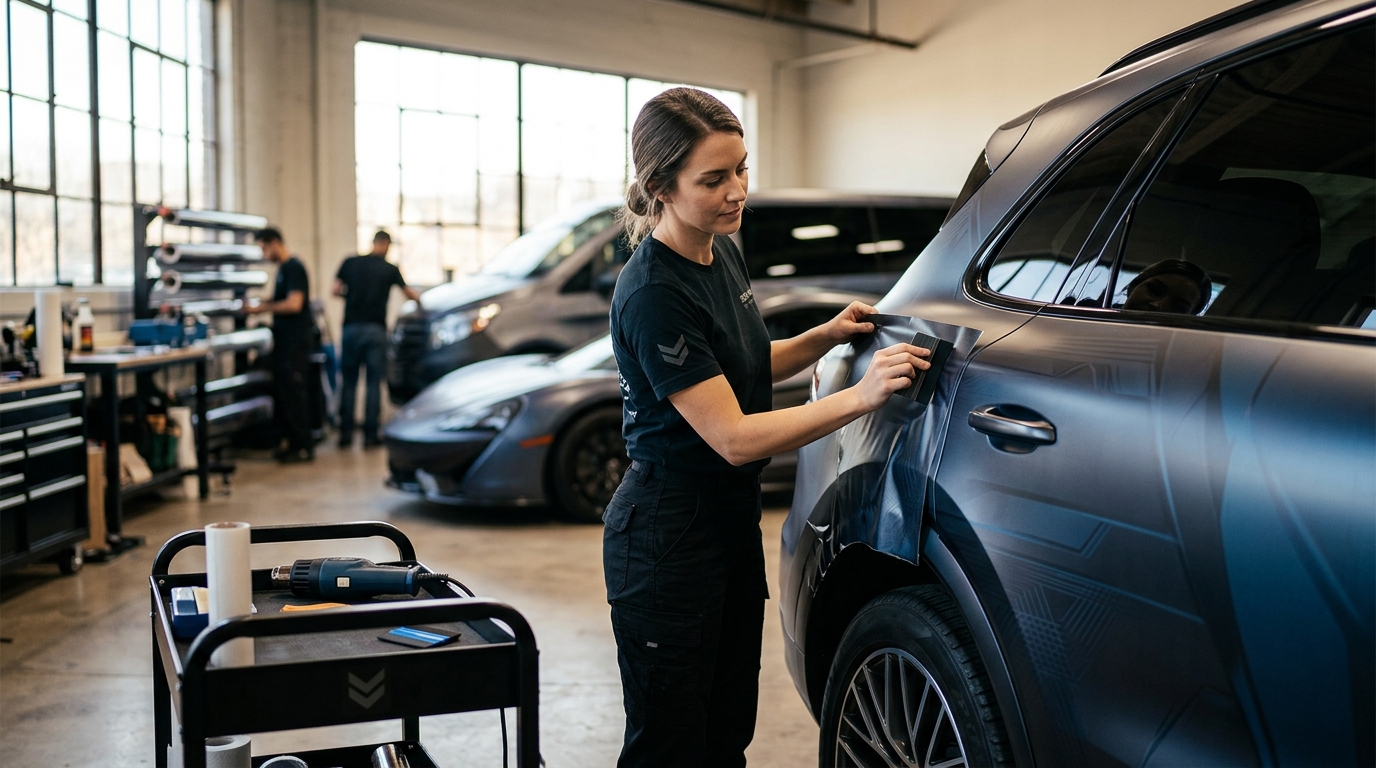
Installation standards in Dallas-Fort Worth vary widely, but professional shops adhere to strict quality controls. A high-quality installation involves thorough surface preparation, including decontamination and paint correction, to ensure the vinyl adheres properly and lasts for years. The labor cost covers not just the application of the film but also the detailed work of trimming edges, managing seams, and ensuring a bubble-free finish. Choosing a reputable provider like 360 Wraps ensures that the installation meets industry standards, protecting your vehicle's resale value and brand reputation.
Vehicle Size Impact
Vehicle size impact refers to how the physical dimensions and surface area of a vehicle influence the amount of material and labor required for a wrap. Larger vehicles require more vinyl, which directly increases the material cost. However, size is not the only factor; the shape and complexity of the vehicle's body panels also play a significant role. A large box truck, for example, has a large surface area but relatively flat panels, which can sometimes make installation faster than a smaller vehicle with complex curves and contours. For additional details, review the Services 360 Wraps.
Surface Area and Material Usage
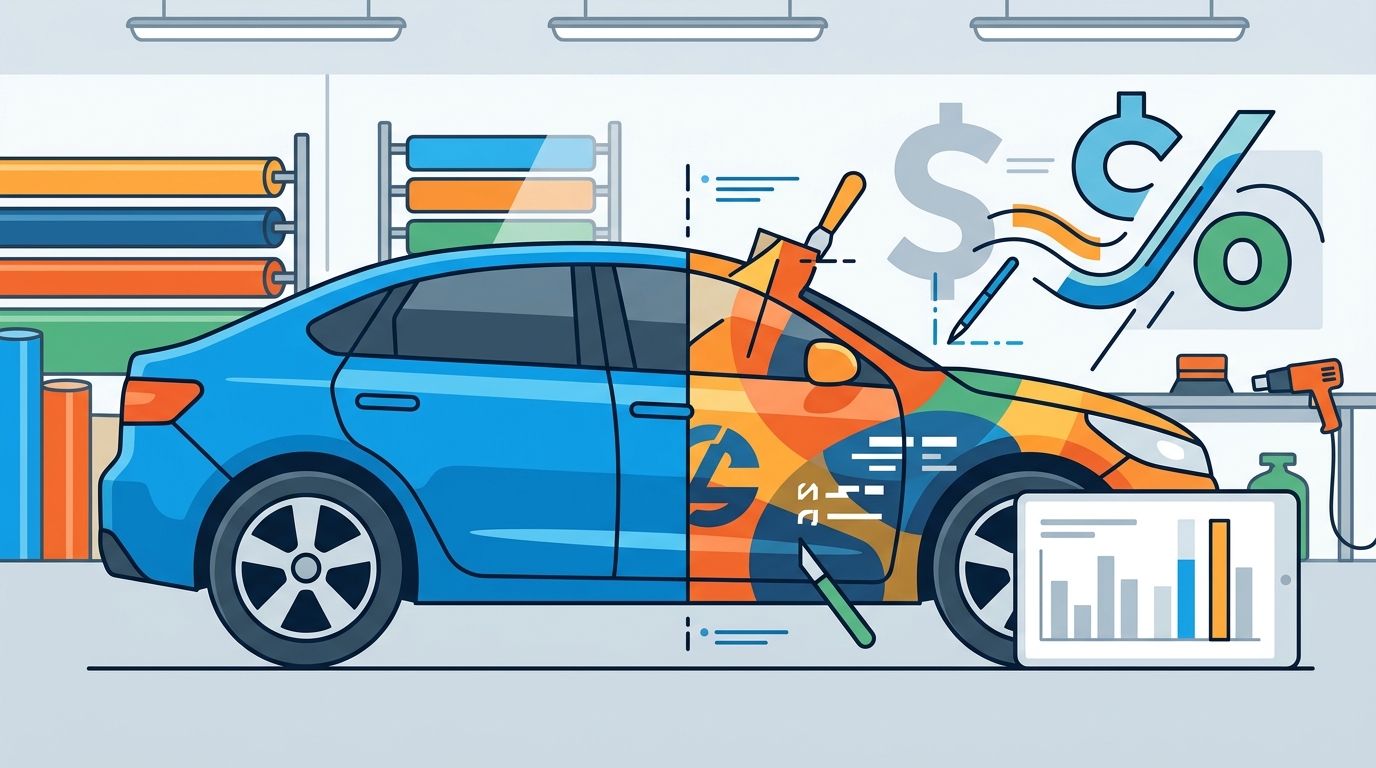
Surface area is the total area of the vehicle's exterior that needs to be covered. A standard sedan has approximately 60 to 70 square meters of wrapable surface, while a full-size pickup truck can exceed 80 square meters. The amount of vinyl needed is calculated based on this surface area, plus a buffer for waste during cutting and installation. Premium vinyl materials are sold by the roll, so larger vehicles may require multiple rolls, increasing the material cost proportionally. Understanding this relationship helps you budget accurately for larger commercial vehicles.
Complexity of Body Panels
The complexity of body panels affects the labor time required for installation. Vehicles with many curves, creases, and intricate details, such as sports cars or modern SUVs with sculpted body lines, require more skilled labor. Installers must stretch and manipulate the vinyl to conform to these shapes without creating wrinkles or bubbles. This process is time-consuming and requires a high level of expertise. In contrast, vehicles with simpler, flatter panels, such as older sedans or box trucks, are generally easier and faster to wrap, which can lower the labor cost despite the larger size.
Vinyl Material Types
Vinyl material types are the different grades and finishes of vinyl film available for vehicle wrapping, each offering distinct durability, appearance, and cost profiles. The choice of material is one of the most significant factors in determining the final cost of your wrap. Standard cast vinyl is the most affordable option, while premium cast vinyl and specialty finishes like matte, satin, or chrome command a higher price. The material you choose should align with your aesthetic goals and the expected lifespan of the wrap.
Standard vs. Premium Cast Vinyl
Standard cast vinyl is a cost-effective option suitable for most vehicle wraps, offering good durability and a wide range of colors. It is typically rated for 3 to 5 years of outdoor exposure. Premium cast vinyl, on the other hand, offers superior durability, often rated for 5 to 7 years, and provides a smoother, more conformable finish. This makes it ideal for complex curves and high-end vehicles. The price difference between standard and premium vinyl can be 20% to 40%, but the added durability and finish quality often justify the investment for long-term use.
Specialty Finishes and Effects
Vehicle Size Categories
Vehicle size categories are the standard classifications used by wrap companies to estimate material and labor costs based on the vehicle's dimensions. These categories help provide a more accurate quote by grouping vehicles with similar surface areas and complexity. Understanding where your vehicle fits into these categories can help you anticipate the cost range for your project. The following table summarizes the typical cost ranges for different vehicle size categories in the Dallas-Fort Worth market.
| Vehicle Category | Typical Examples | Estimated Cost Range | Key Considerations |
|---|
Commercial Fleet Vehicles
Commercial fleet vehicles, such as box trucks, vans, and semi-trucks, fall into the higher end of the cost spectrum due to their size and the need for durable, high-visibility branding. These vehicles often require custom graphics that include logos, contact information, and service descriptions, which adds to the design and installation complexity. For fleet owners, 360 Wraps offers nationwide fleet branding solutions that ensure consistency across multiple vehicles, regardless of location. This approach can reduce the per-vehicle cost through bulk material purchasing and streamlined installation processes.
Personal Custom Vehicles
Personal custom vehicles, including sedans, SUVs, and sports cars, are typically wrapped for aesthetic reasons rather than advertising. The cost for these vehicles depends heavily on the chosen finish and design complexity. A solid color change on a sedan is the most affordable option, while a custom multi-color graphic on a sports car will be at the higher end of the range. For personal vehicles, the focus is often on the quality of the finish and the durability of the material, ensuring the wrap looks pristine for years to come.
Key Takeaways
- Vehicle size and complexity are the primary drivers of cost, with larger and more complex vehicles costing more.
- Premium vinyl materials and specialty finishes can increase the cost by 20% to 40% compared to standard vinyl.
- Design complexity, including multi-color graphics and intricate patterns, significantly impacts labor costs.
- Commercial fleet vehicles often have higher per-vehicle costs but can benefit from bulk pricing and consistent branding.
- Choosing a reputable provider like 360 Wraps ensures high-quality installation and long-lasting results.
- Always request a detailed quote that breaks down material, design, and labor costs for transparency.
Frequently Asked Questions
How long does a vehicle wrap last?
A high-quality vehicle wrap typically lasts between 5 and 7 years, depending on the material used and the vehicle's exposure to the elements. Premium cast vinyl offers the longest lifespan, while standard vinyl may last 3 to 5 years. Proper maintenance, including regular washing and avoiding harsh chemicals, can extend the life of your wrap.
Can I remove a vehicle wrap without damaging the paint?
Yes, a professionally installed vehicle wrap can be removed without damaging the underlying paint, provided the paint is in good condition. The removal process involves heating the vinyl to soften the adhesive and carefully peeling it off. Any residual adhesive can be cleaned with a safe solvent. It is important to have the wrap removed by a professional to avoid paint damage.
What is the difference between a wrap and a paint job?
A vehicle wrap is a layer of vinyl film applied to the exterior of the vehicle, while a paint job involves applying liquid paint to the body panels. Wraps are generally less expensive and faster to install than paint jobs, and they can be removed or changed more easily. Paint jobs offer a more permanent solution and can be customized with a wider range of finishes, but they are more difficult to reverse.
Do I need to prepare my vehicle before wrapping?
Can I drive my vehicle immediately after wrapping?
Yes, you can drive your vehicle immediately after the wrap is installed. However, it is recommended to avoid car washes for the first 24 to 48 hours to allow the adhesive to fully cure. After this period, you can wash your vehicle as usual, using a gentle soap and water. Avoid using high-pressure washers directly on the edges of the wrap to prevent lifting.
How much does a fleet wrap cost?
What is the most popular wrap finish in Dallas-Fort Worth?
Can I change my wrap design later?
Yes, you can change your wrap design later by removing the existing wrap and applying a new one. This is one of the main advantages of vehicle wraps over paint jobs, as they offer flexibility and the ability to update your look without a permanent commitment. The cost of a new wrap will depend on the size of the vehicle and the complexity of the new design.
Conclusion
Understanding the cost of a full custom vinyl vehicle wrap in Dallas-Fort Worth requires considering vehicle size, material type, and design complexity. By breaking down these factors, you can make an informed decision that aligns with your budget and aesthetic goals. 360 Wraps is committed to providing transparent pricing and high-quality installations, ensuring your vehicle looks exactly how you imagined it. Whether you are looking to rebrand your fleet or customize your personal vehicle, our team is here to guide you through the process. To get started, request a quote today and let us help you bring your vision to life.