
Factors Influencing the Cost of a Full Vehicle Wrap: An In-depth Guide
At 360 Wraps, we understand that every business and budget is unique. When it comes to investing in a full vehicle wrap, understanding the various cost factors can help you make an informed decision. In this ultimate guide, we'll explore the key factors that influence the total cost of a full vehicle wrap. (Contact Us 360 Wraps)
Vehicle Size
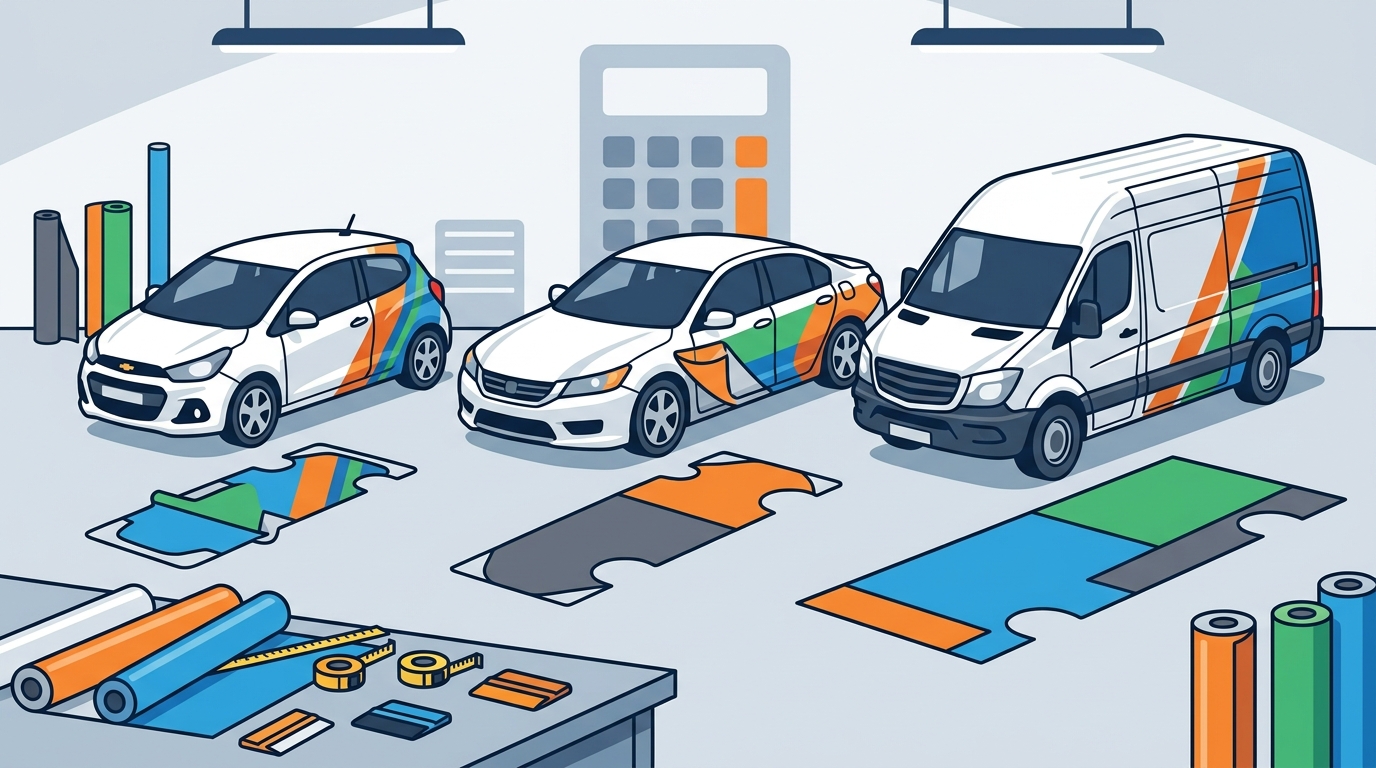
The size of the vehicle plays a significant role in the cost of a full vehicle wrap. Larger vehicles, such as buses, trailers, and semi-trucks, require more material and labor, resulting in higher costs. For instance, a standard car wrap might cost between $3,000 and $5,000, while a bus wrap could range from $15,000 to $30,000 or more. (About Us 360 Wraps)
Complexity of Design
The complexity of the design is another crucial factor. A simple design with a single color and no intricate graphics might cost less than a complex design with multiple colors, intricate graphics, and custom elements. For example, a basic design might cost around $2,500, while a complex design could cost upwards of $10,000. (Services 360 Wraps)
Material Quality
The quality of the material used for the wrap also impacts the cost. Premium materials, such as cast vinyl, offer better durability, longevity, and a more professional appearance. While they may cost more initially, they can save you money in the long run by requiring less frequent repairs and replacements. (360 Wraps Seamless Wraps)
Installation Location
The location of the installation can also affect the cost. Installing a wrap in a major metropolitan area might cost more due to higher labor rates and increased competition. For instance, a wrap installed in New York City might cost more than one installed in a smaller town. (360 Wraps Seamless Wraps)
Preparation and Removal
The cost of preparation and removal is another factor to consider. Proper preparation, such as cleaning the vehicle and removing old graphics, is essential to ensure a high-quality wrap. Additionally, the cost of removing old graphics, if necessary, can add to the overall cost.
Experience and Expertise of Provider
The experience and expertise of the provider can significantly impact the cost and the final result. A reputable, experienced provider with a proven track record of delivering high-quality wraps might cost more but can save you money in the long run by ensuring a durable, professional-looking wrap that effectively represents your brand.
Location of Provider
The location of the provider can also influence the cost. A local provider might offer more competitive pricing due to lower overhead costs and the ability to provide on-site consultations and installations.
Maintenance and Warranty
Lastly, consider the maintenance and warranty offered by the provider. A comprehensive maintenance and warranty plan can save you money in the long run by ensuring your wrap remains in top condition and is covered for any potential issues.
Key Takeaways
- The size of the vehicle significantly impacts the cost of a full vehicle wrap.
- The complexity of the design is another crucial factor to consider.
- Premium materials offer better durability and longevity, but come with a higher initial cost.
- Proper preparation and removal are essential for a high-quality wrap.
- The experience and expertise of the provider can significantly impact the cost and the final result.
- Consider the maintenance and warranty offered by the provider to save money in the long run.
Frequently Asked Questions
What is the average cost of a full vehicle wrap?
The cost of a full vehicle wrap varies depending on the factors discussed in this guide. For a standard car wrap, you can expect to pay between $3,000 and $5,000. Larger vehicles, complex designs, and premium materials can significantly increase the cost.
What is the difference between a partial and full vehicle wrap?
A partial vehicle wrap covers only specific areas of the vehicle, such as the doors, hood, or sides. A full vehicle wrap covers the entire surface of the vehicle, including the roof and wheels.
How long does it take to install a full vehicle wrap?
The installation time for a full vehicle wrap depends on the size and complexity of the design. A standard car wrap might take a day or two to install, while a larger vehicle or a complex design could take several days.
What materials are used for vehicle wraps?
Vehicle wraps are typically made from cast vinyl or calendared vinyl. Cast vinyl offers better durability, longevity, and a more professional appearance, but comes with a higher initial cost.
Can I install a vehicle wrap myself?
While it's possible to install a vehicle wrap yourself, it's not recommended. Proper preparation, application, and removal require specialized knowledge and equipment to ensure a high-quality, long-lasting wrap.
What is the lifespan of a vehicle wrap?
A high-quality vehicle wrap can last between 3 and 10 years, depending on the material used, the installation quality, and the maintenance and care provided.
What is the process of getting a vehicle wrap?
The process of getting a vehicle wrap involves several steps, including consultation, design, preparation, installation, and maintenance. A reputable provider will guide you through each step to ensure a successful wrap project.